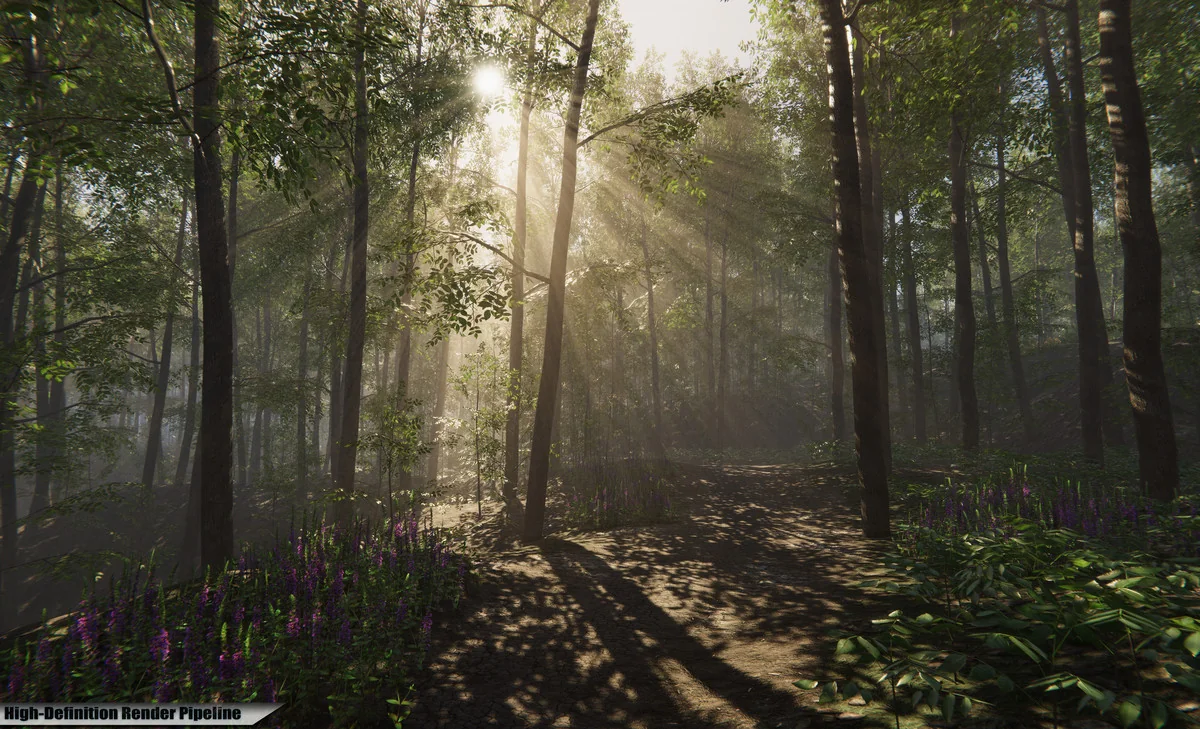
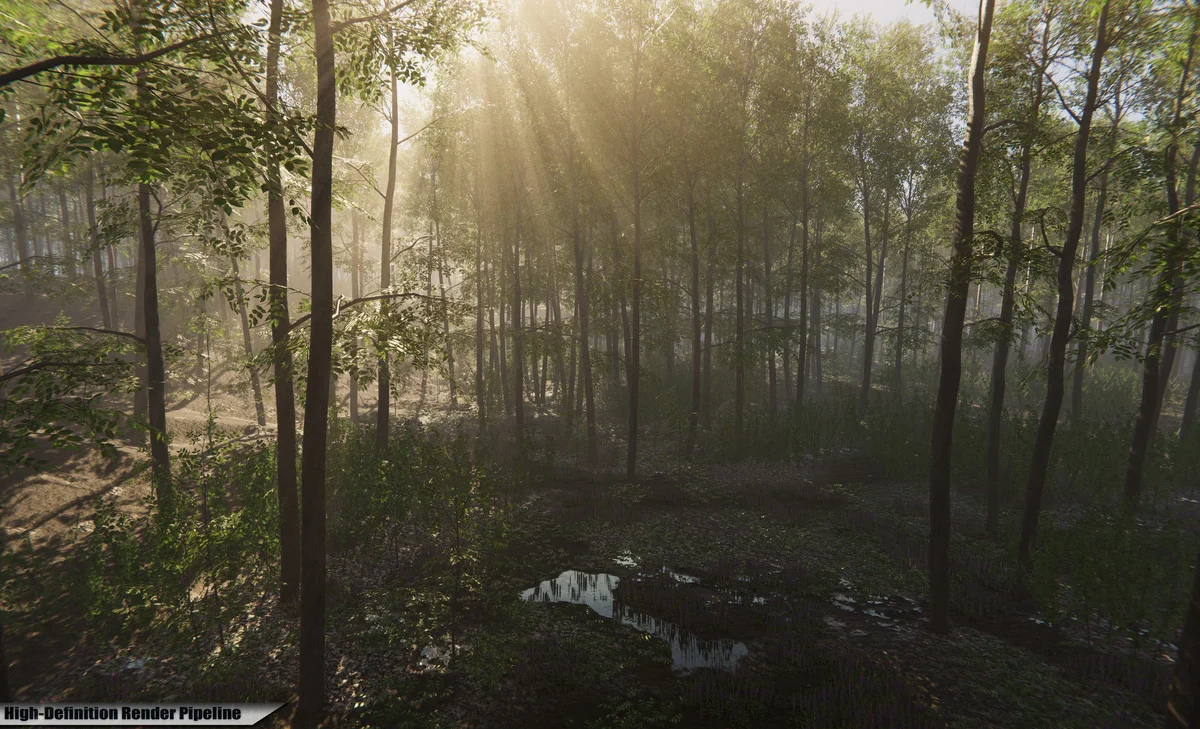
Comprehensive Forest Asset Collection
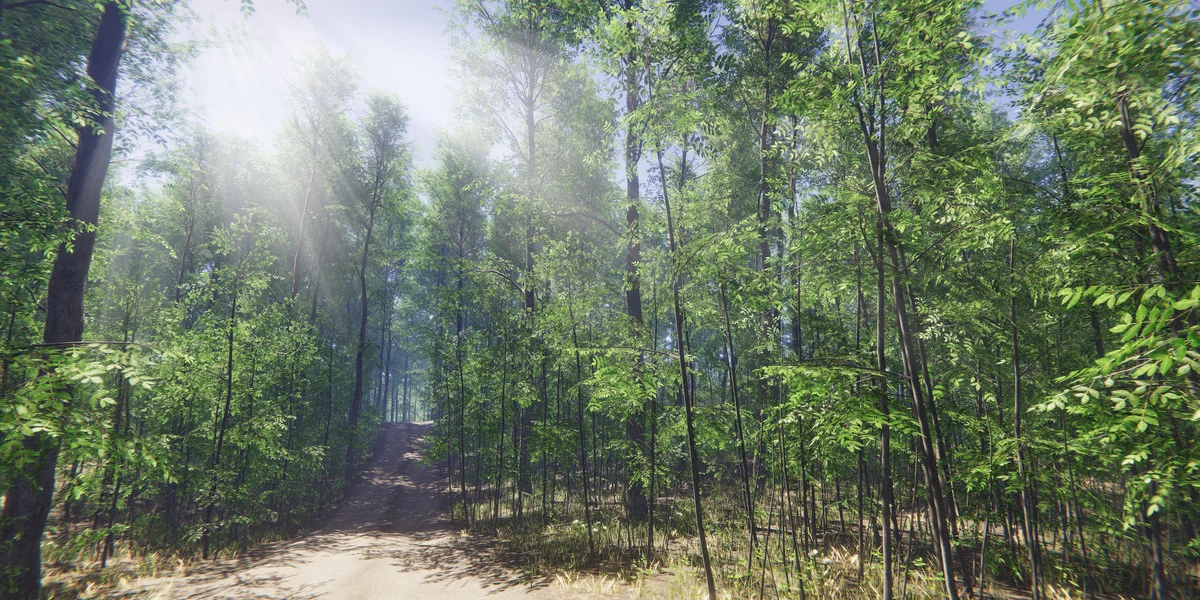
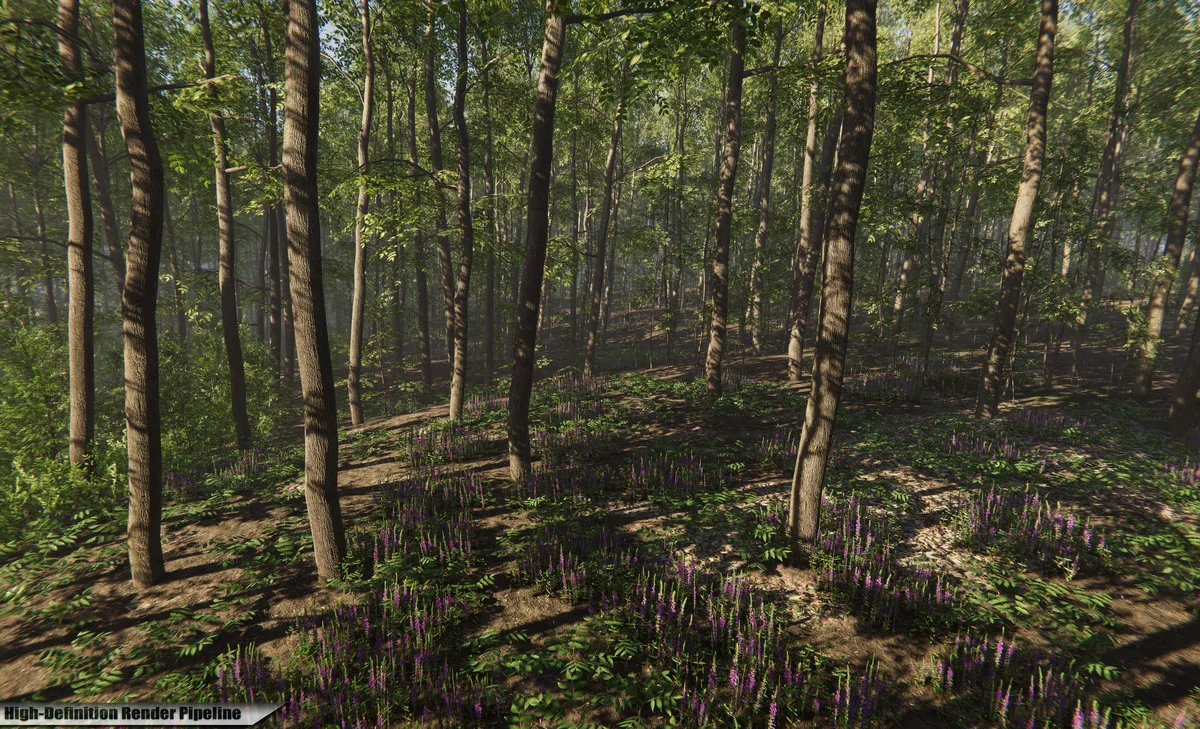
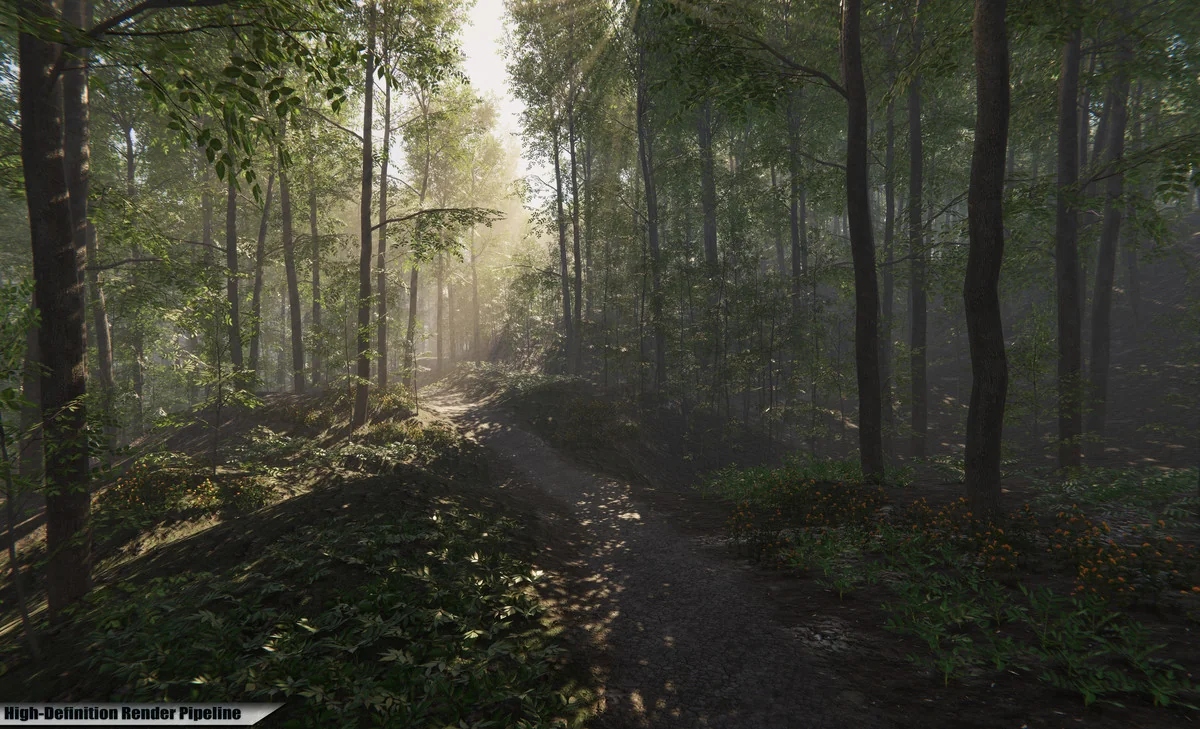
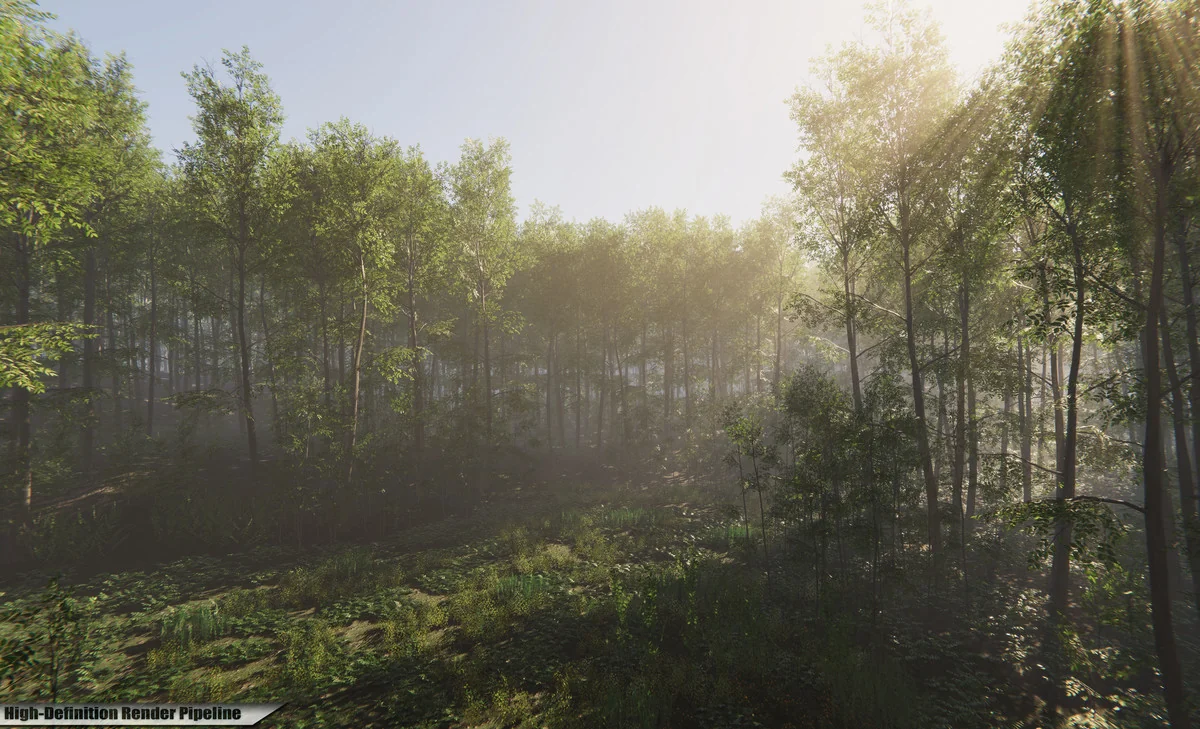
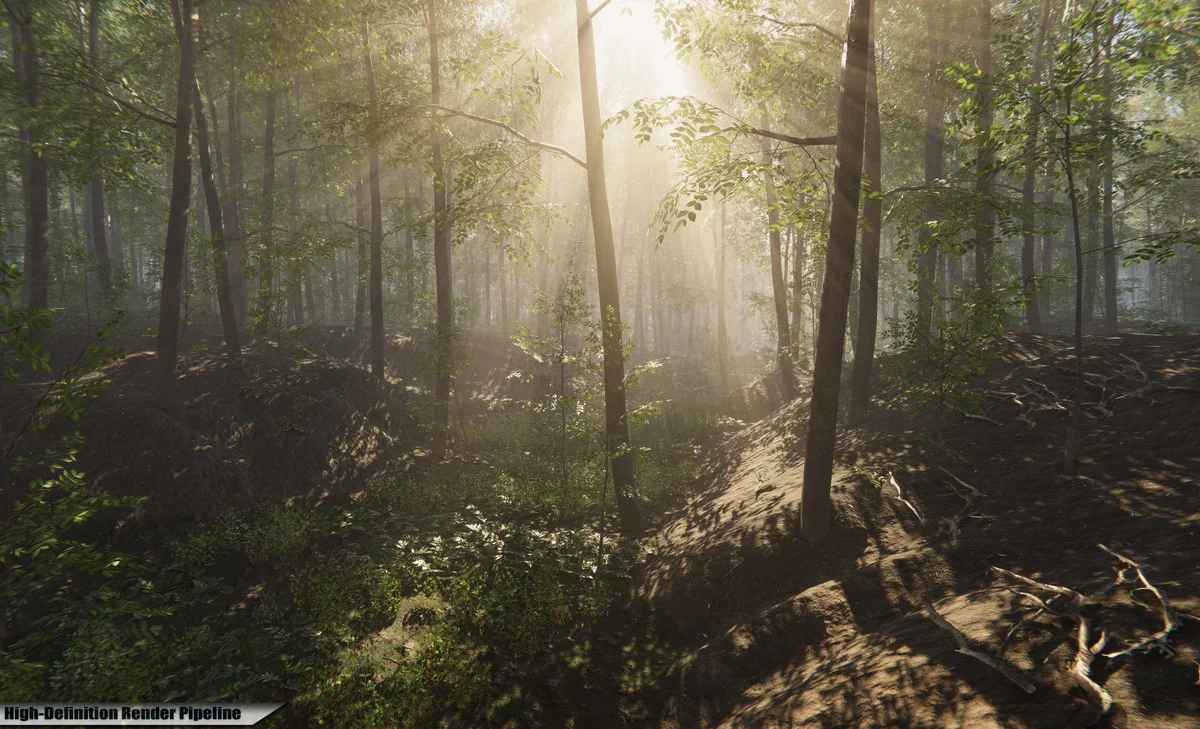
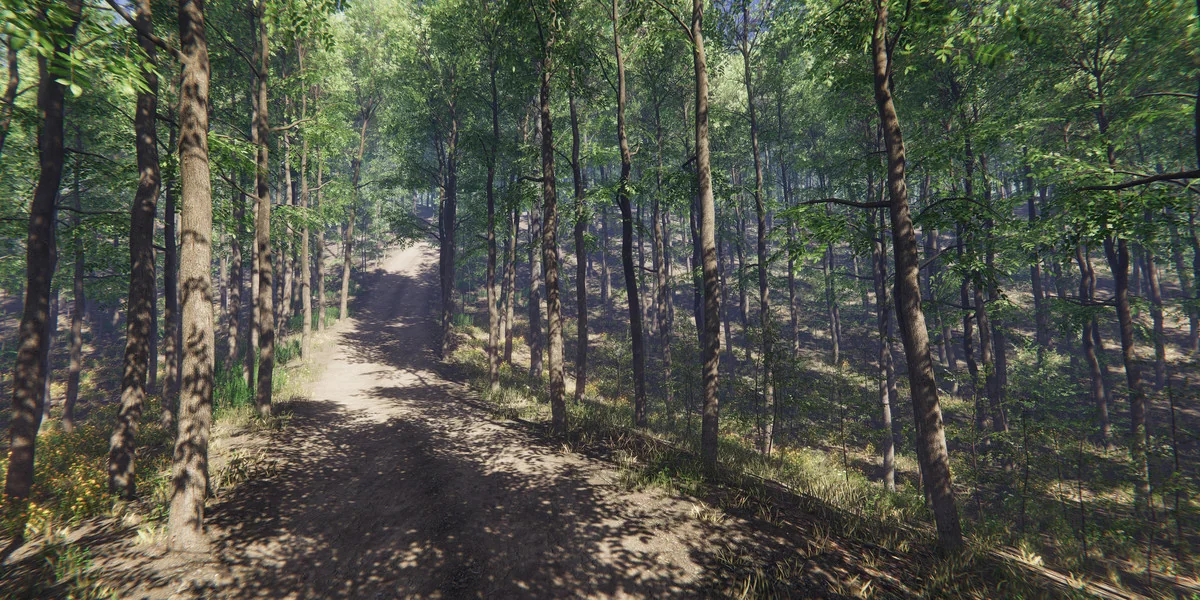
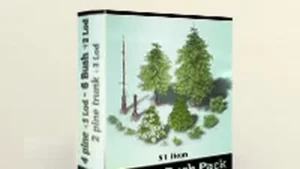
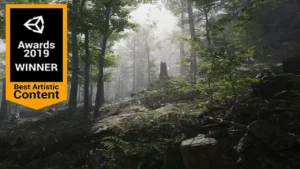
The Nature Package – Forest Environment is a 3.0 GB resource designed to facilitate the creation of detailed vegetation layers within Unity. At its core, the package consists of 205 individual assets, ranging from standard forest flora to specialized environmental props. The developer has structured the collection to support multiple visual styles and environmental conditions, specifically including photorealistic vegetation suitable for landscape-heavy projects and VR applications.
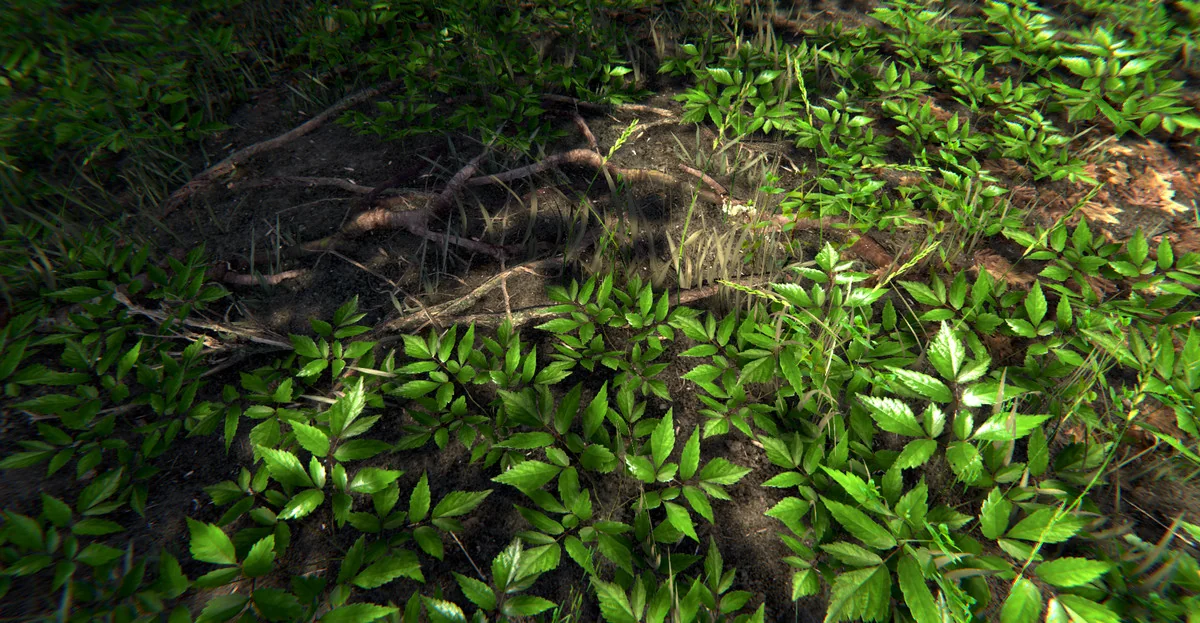
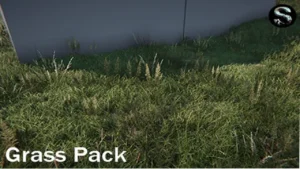
The library emphasizes variety in ground cover and tree species. Beyond standard greenery, the package includes flowers and specific seasonal variations. The update history indicates a focus on expanding these categories, such as the addition of dedicated autumn models and matching ground textures to ensure visual consistency across different seasonal presets. To ground these scenes, 3D scanned models of specific forest elements, such as rocks and stump roots, are provided to offer a higher degree of fidelity compared to standard procedural geometry.
Render Pipeline and Technical Compatibility
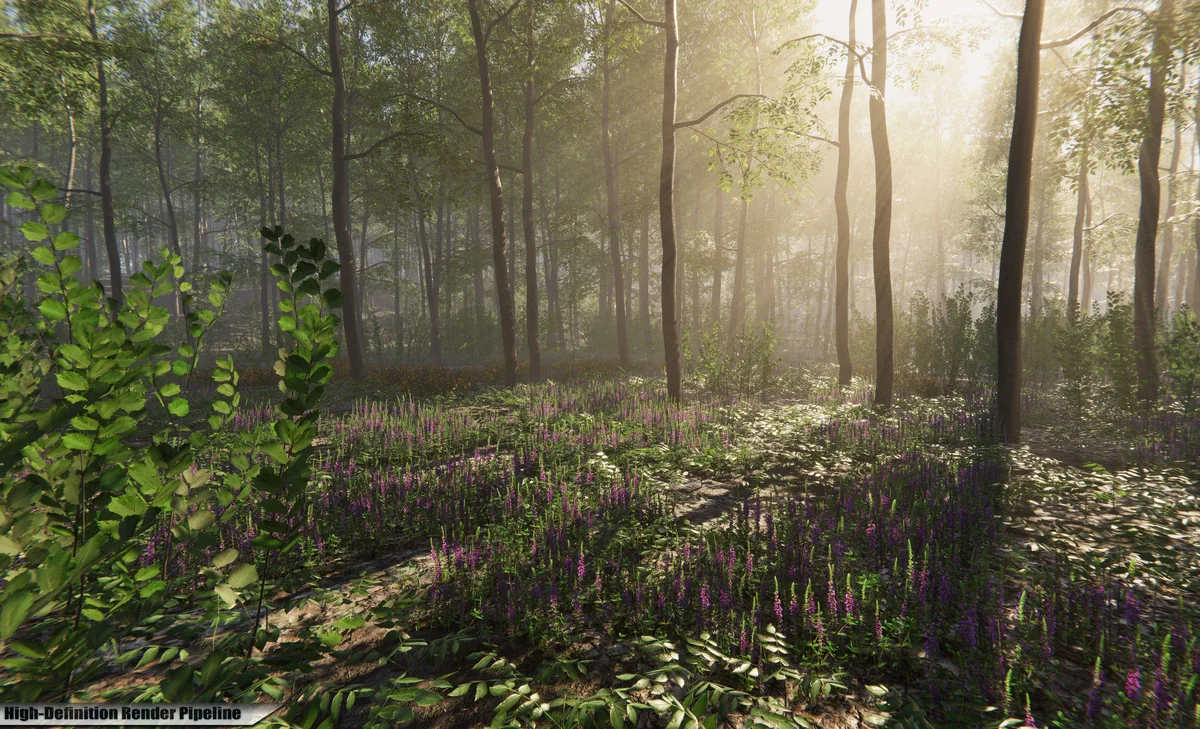
One of the primary technical strengths of this package is its broad compatibility across Unity’s various render pipelines. It supports the Built-in Render Pipeline (Standard), the High Definition Render Pipeline (HDRP), and the Universal Render Pipeline (URP). This cross-pipeline support is not merely generic; the developer has provided specific support for various API versions to ensure stability in newer Unity releases.
For HDRP and URP users, the package supports 12x (api 12.1.13), 14x (api 14.0.10), and 17x (api 17.0.2) or higher. Recent updates have specifically addressed issues like shader compilation and material errors, such as the correction of pink materials in HDRP environments. This ensures that the photorealistic intent of the assets is maintained regardless of the chosen lighting and rendering path.
Ecosystem Integration and Workflow Tools
The package is built to work alongside several prominent third-party Unity tools for vegetation management and terrain generation. It includes specific prefabs and converting tools for The Vegetation Engine (TVE), allowing for more interactive and dynamic foliage behavior. Furthermore, the assets are compatible with Vegetation Studio and Vegetation Studio Pro, which are often used for handling large-scale ecosystem placement.
To assist with automated terrain generation, the package includes Biome Masks for Vegetation Studio Pro. These masks cover four specific environmental archetypes:
- FieldsDefault01
- ForestDefault01
- YoungDenseForest01
- Patch01
The developer also mentions compatibility with Map Magic, suggesting the assets can be effectively distributed using procedural noise-based systems. These integrations allow for the rapid populating of large maps without the need for manual placement of every individual tree or patch of grass.
Performance and Shader Optimization
To maintain performance in dense forest scenes, the package includes optimized tree prefabs equipped with Level of Detail (LOD) systems. This is critical for maintaining high frame rates in environments where 205 different assets might be rendered simultaneously. The package utilizes custom DEC shaders and DE Environment shaders, which have seen multiple iterations to improve compatibility with HDRP and URP.
These shaders are designed for both standard and optimized vegetation, ensuring that even when using simplified geometry for performance gains, the visual quality remains consistent with the scanned assets. The inclusion of a crows prefab and specific demo scenes like Forest_VSP_TVE and Library_TVE provides users with immediate templates for how the assets should be layered and shaded within a functional environment.
For developers working on complex natural environments, the Nature Package – Forest Environment offers a structured approach to vegetation. By combining 3D scanned geological assets with optimized foliage and wide-ranging pipeline support, it serves as a flexible foundation for both small-scale VR scenes and expansive, procedurally generated landscapes.
Project Screenshots