Procedural Terrain Generation via Node Graphs
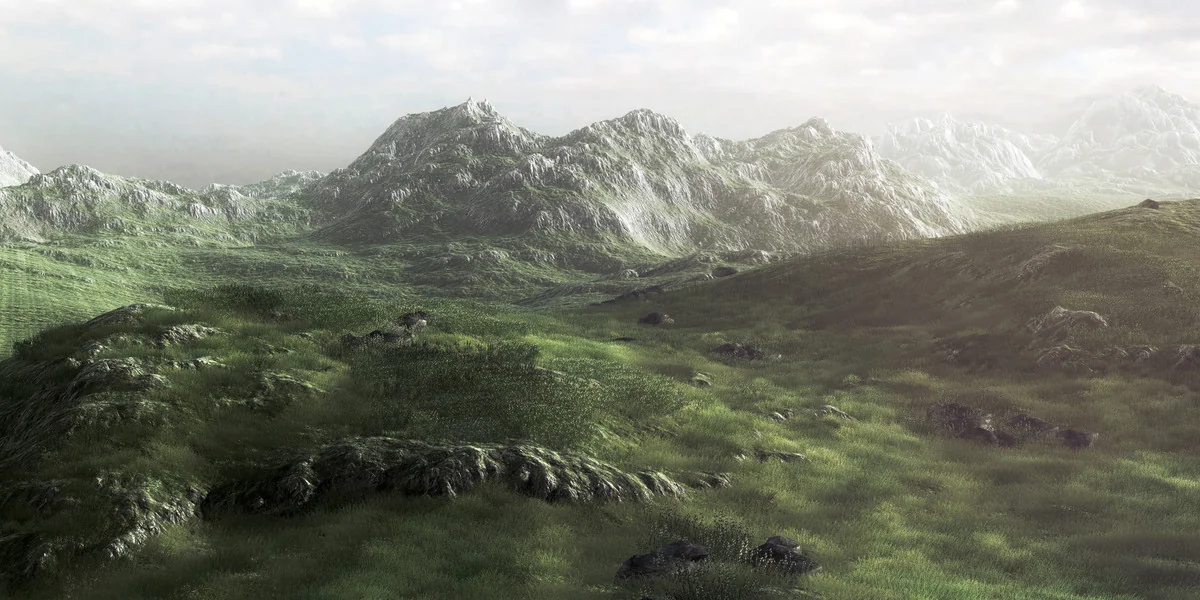
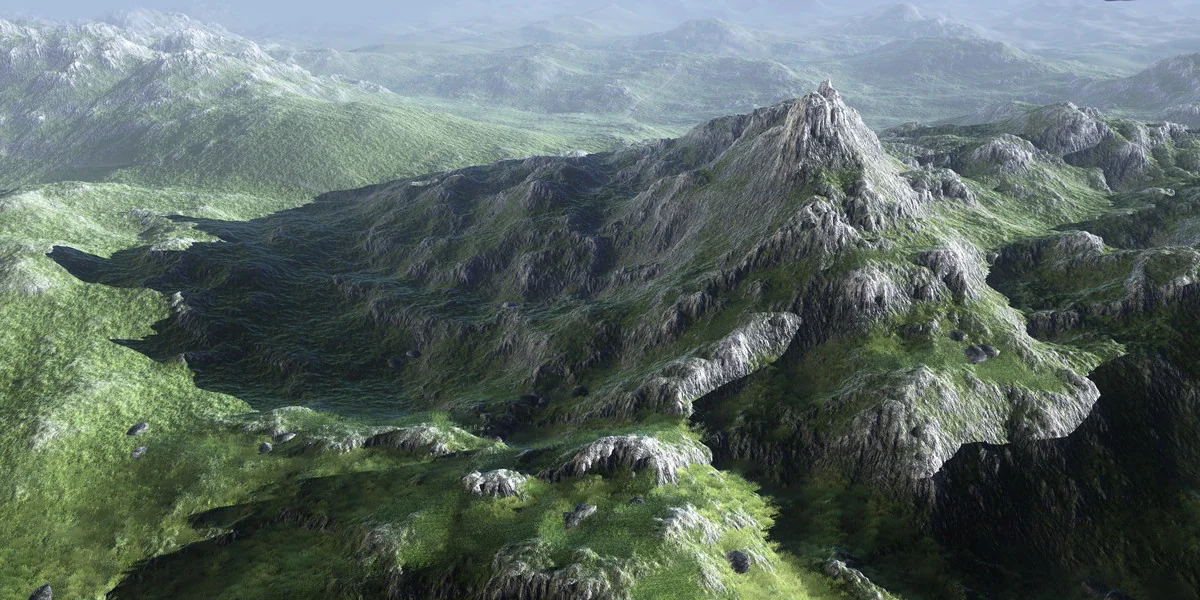
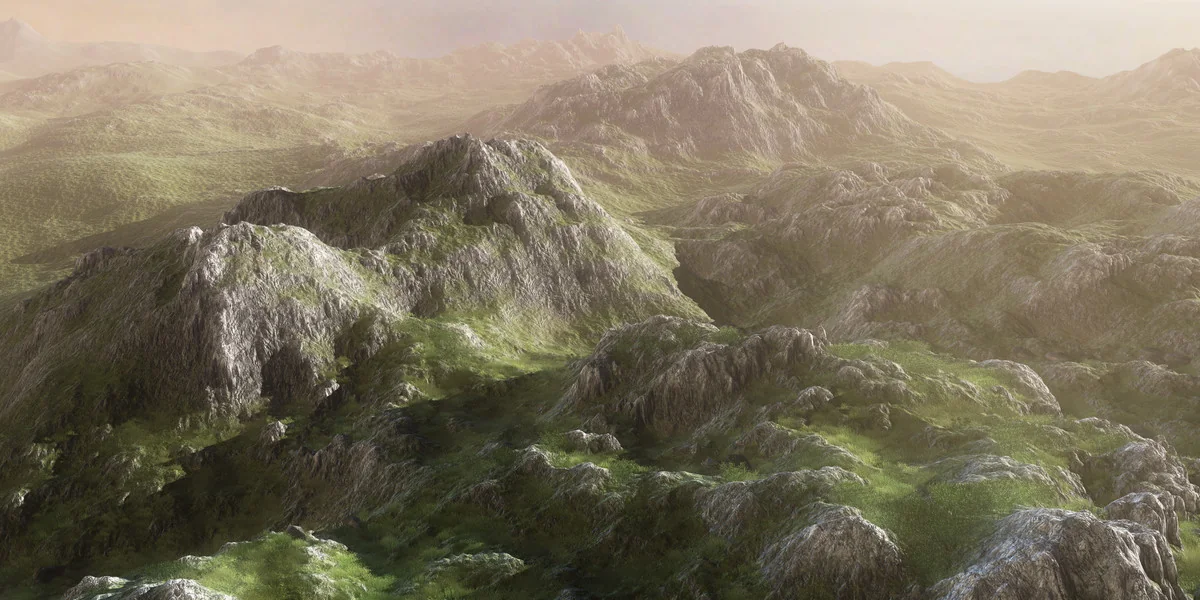
MapMagic 2 Bundle represents a significant iteration in procedural world generation, moving beyond basic terrain editing to provide a framework for full-scale world creation. At its core, the system utilizes a graph-based workflow where each node represents a specific generator or modifier. By connecting these nodes, developers can automate the creation of playable terrains, reducing the need for manual sculpting. The logic is handled through various node types, including noise, voronoi, blend, curve, and erosion, allowing for complex geological formations to be generated procedurally.
One of the primary functions of the bundle is its ability to support infinite game maps. This is achieved by generating new terrain tiles during playmode as the camera or player moves. This dynamic generation ensures that large-scale environments can be navigated without pre-baking massive amounts of static data. For projects that do not require infinite generation, the system also features a pinned or non-dynamic mode, which allows the tool to work with standard Unity terrains.
The Four Integrated Modules
The bundle serves as a unified package for MapMagic 2 and its four default modules: Objects, Splines, Biomes, and Brush. This combined approach is designed to simplify the installation process and ensure version compatibility between the different components. Each module expands the capability of the core terrain generator into specific areas of world building.
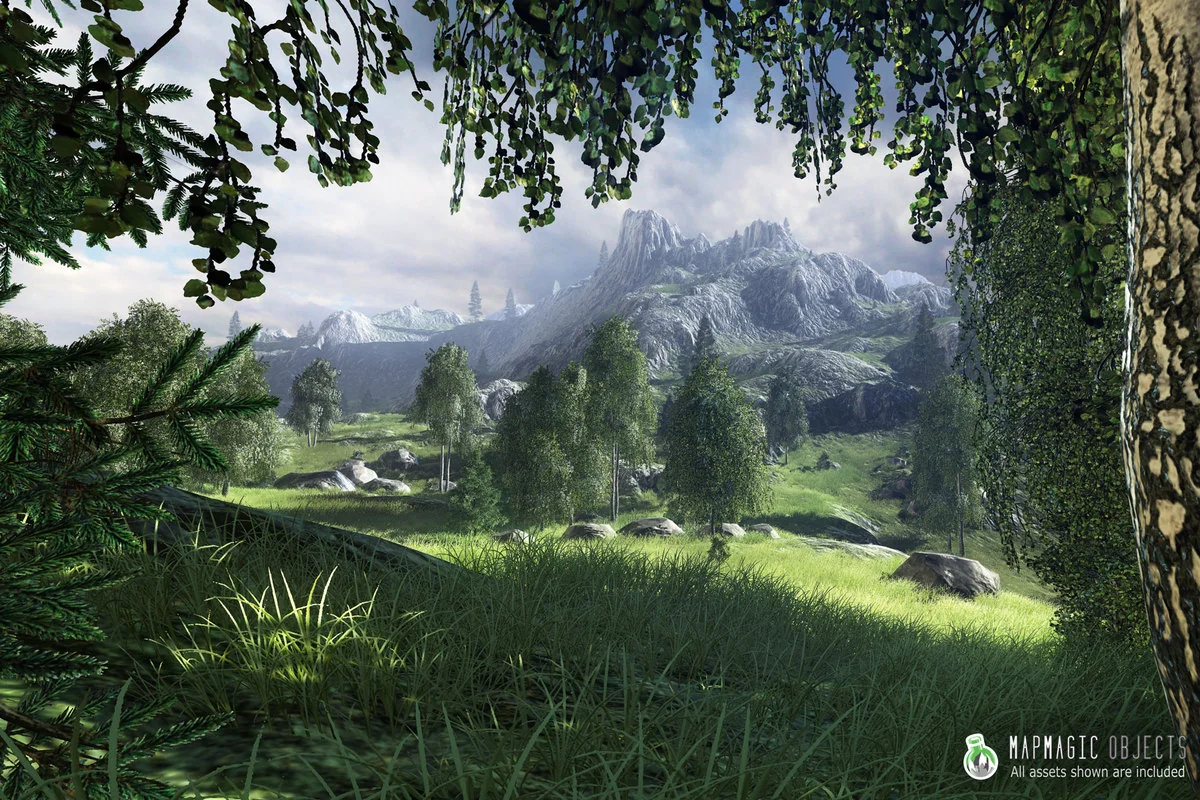
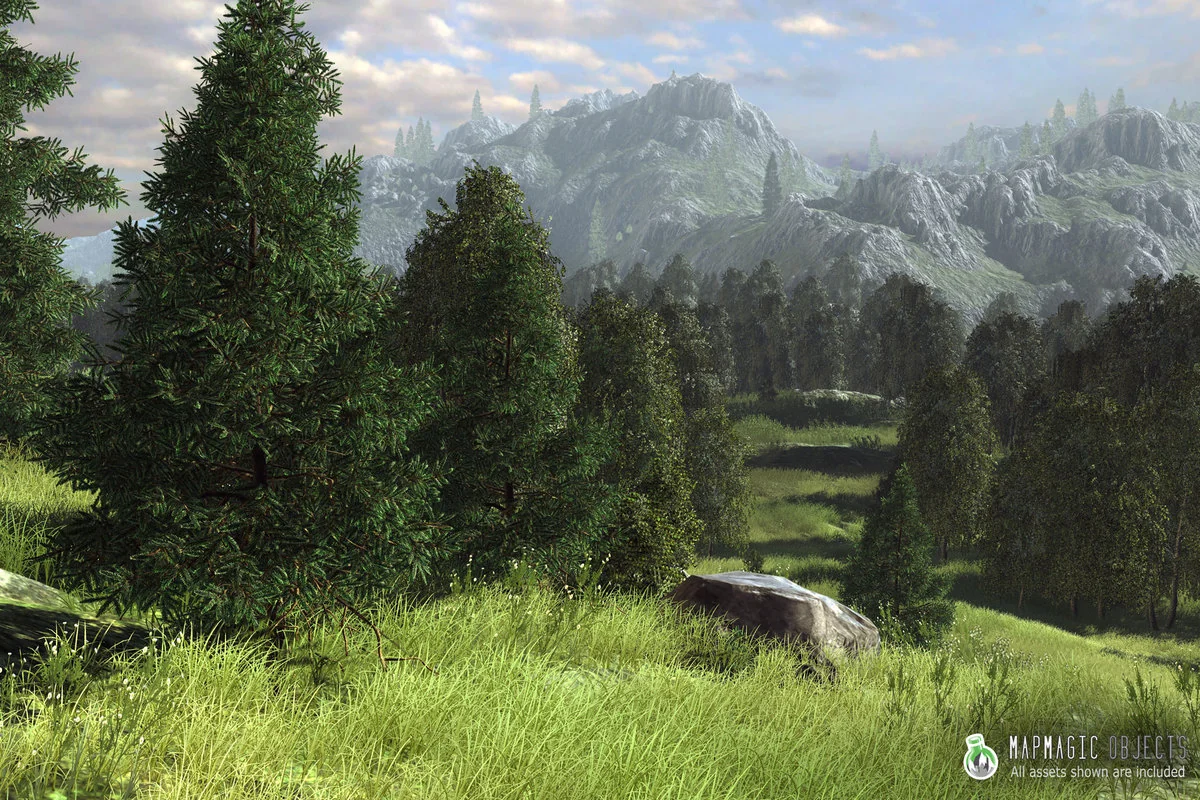
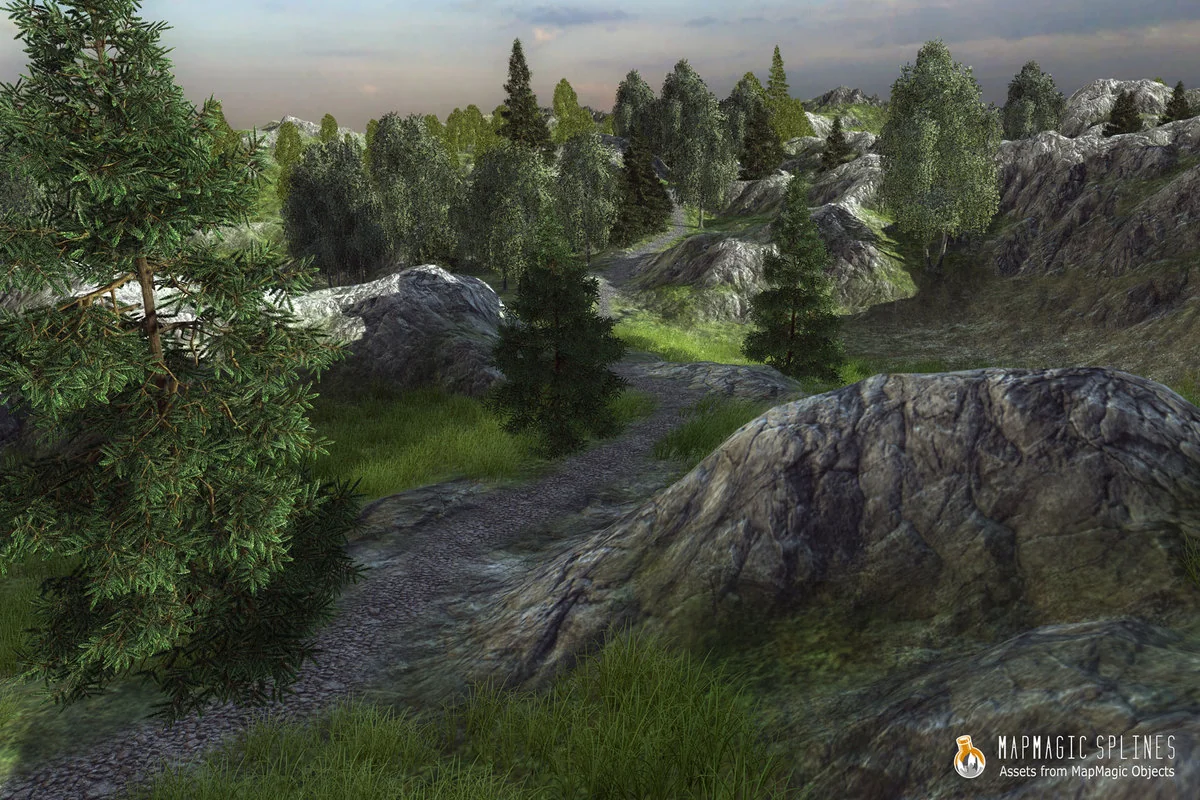
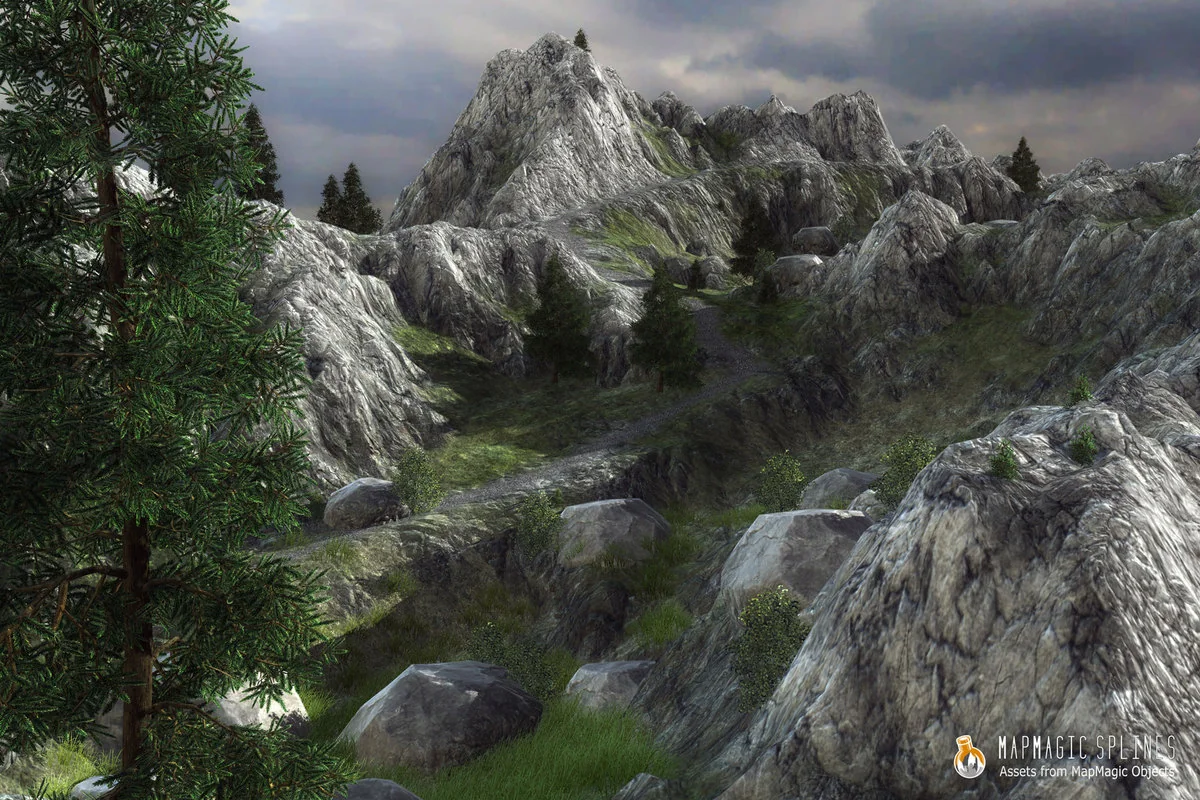
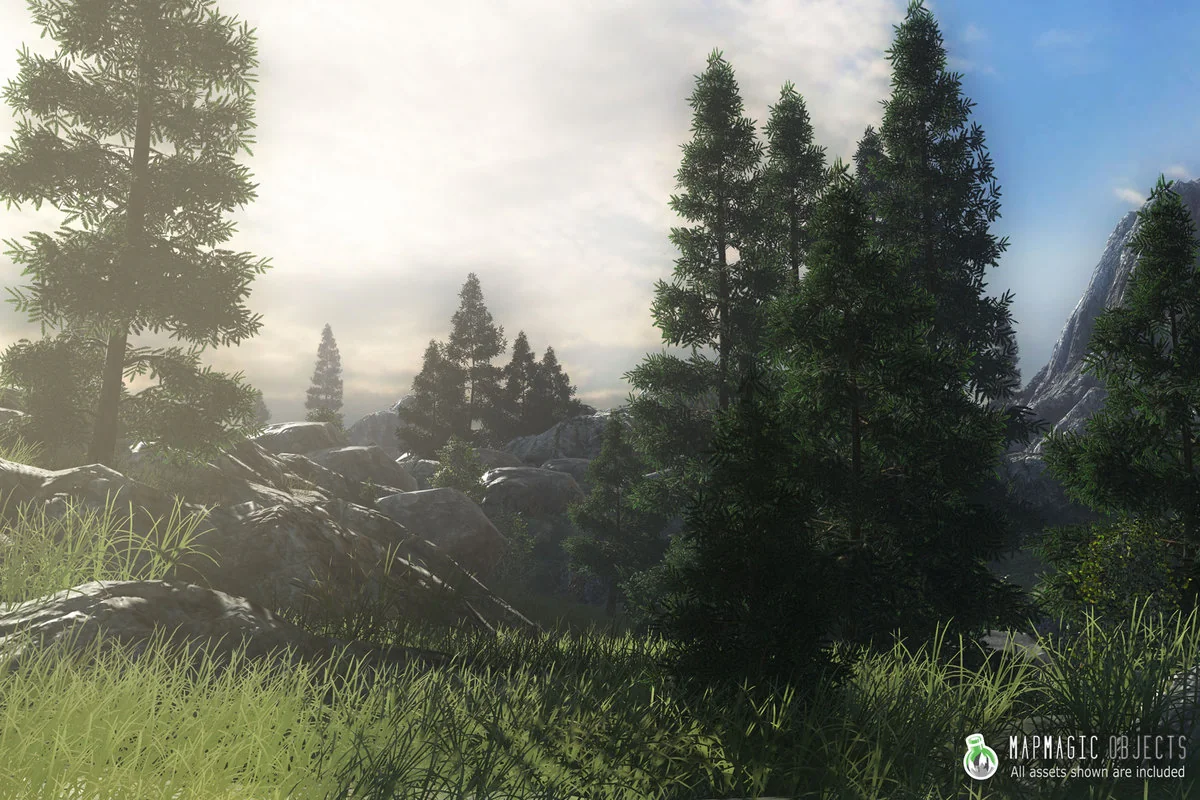
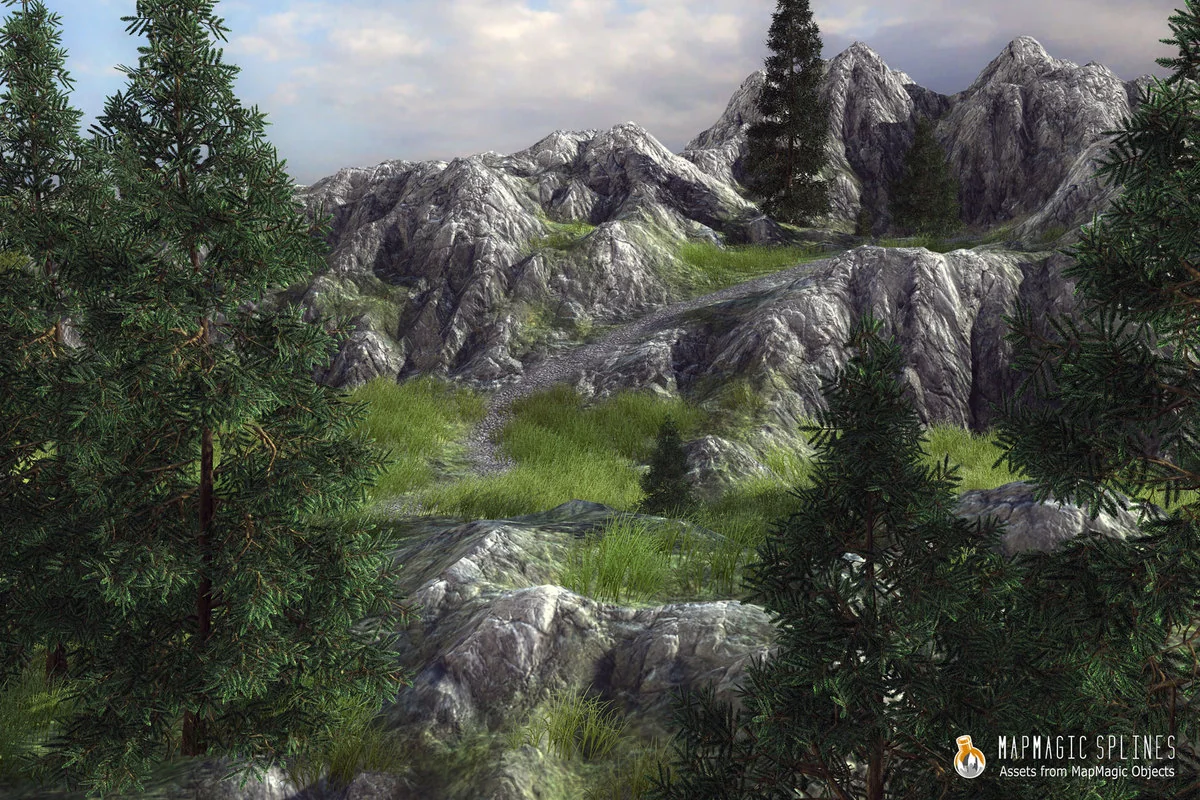
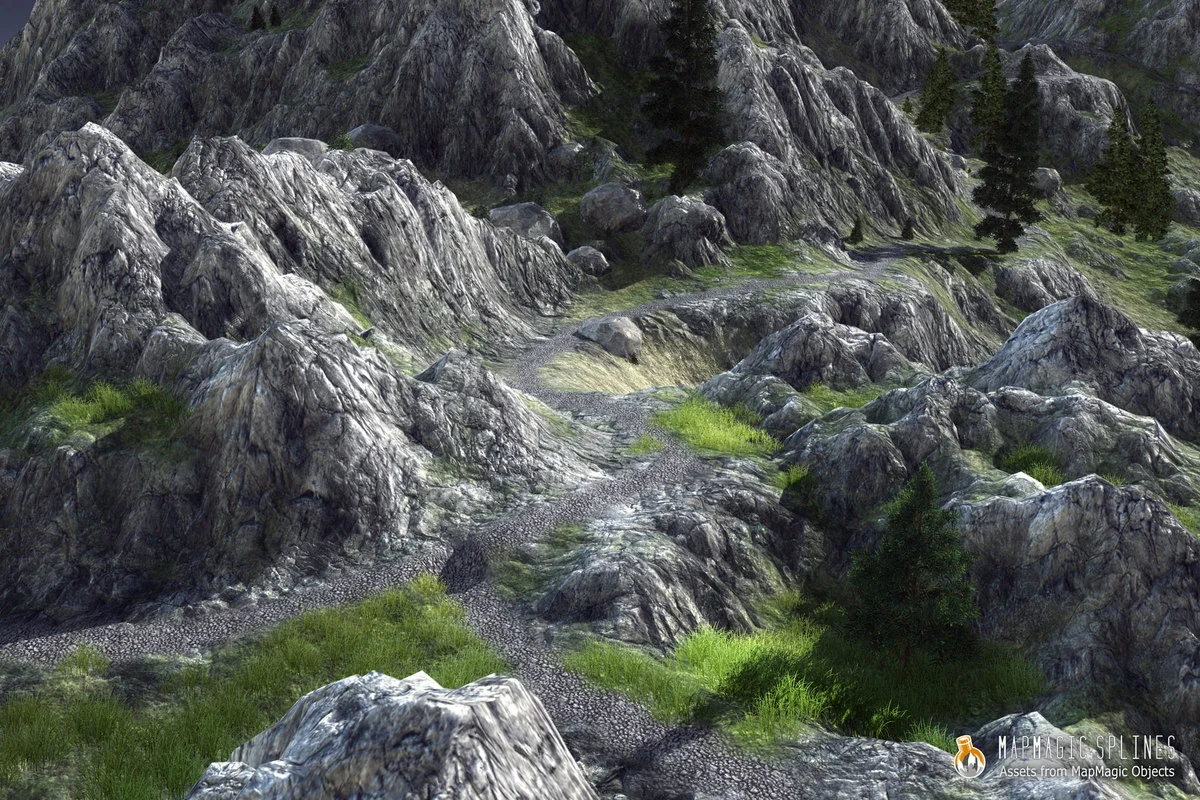
The Objects module is responsible for the procedural placement of items across the terrain, such as trees, rocks, or other environmental props. The Splines module introduces the ability to create roads, paths, and linear features through spline-based logic. With the Biomes module, users can define distinct environmental zones with unique characteristics, while the Brush module allows for localized manual adjustments to the procedurally generated heights and textures. Together, these modules transition the tool from a heightmap generator to a comprehensive world-building suite.
Technical Logic and Specialized Nodes
The workflow relies on the interaction between different generator nodes. For example, a Voronoi node might define the initial cellular structure of a landscape, while an Erosion node simulates natural weathering over time. This procedural approach ensures that the map is created without direct human involvement once the initial graph logic is established. While the system is highly automated, it is designed to be compatible with several high-end rendering and vegetation assets.
Specific nodes are included to facilitate integration with external tools such as CTS, MegaSplat, MicroSplat, and Vegetation Studio Pro. However, it is noted that 100% compatibility is not guaranteed across all eventual asset changes or module variations. For developers who need to customize the underlying mechanics, the package includes the full source code, providing transparency into the generation algorithms and allowing for deep integration into custom pipelines.
Version 2.1.19 Feature Additions
The latest updates to the bundle have introduced specific tools to refine the control over procedural outputs. The Transition node functions similarly to a Position node but adds the ability to set rotation and scale. This node also supports scene view gizmos, allowing developers to move and expose these values directly within the Unity editor interface. Another significant addition is the Distort node, which allows for the offsetting of map pixels using direction masks on the X and Z axes.
Refinements to the Splines module include the Spline Interlink feature, which now features a Max Distance parameter to prevent unwanted interlinking between distant spline segments. Performance improvements have also been implemented, specifically targeting the speed of initial object spawning. These technical adjustments aim to streamline the workflow for creators building large, asset-heavy environments.
Unity Integration and Pipeline Compatibility
MapMagic 2 Bundle is built for the Unity 2021.3.41 environment and supports a wide range of render pipelines, including the Built-in, HDRP, and URP systems, as well as Custom SRP. The package contains 1,241 individual assets, totaling a file size of approximately 259.2 MB. It is important to note that while this iteration can perform nearly all functions of the previous MapMagic World Generator, it does not include Voxeland nodes.
The system is particularly suited for developers creating large-scale open worlds or projects that require varied, non-repetitive landscapes. By utilizing the noise and erosion nodes alongside the biome logic, creators can establish complex ecosystems that react to the underlying terrain data. The inclusion of direction masks and transition gizmos provides a level of manual oversight within an otherwise automated procedural framework.
Visual Breakdown