Photogrammetry-Based Historical Fidelity
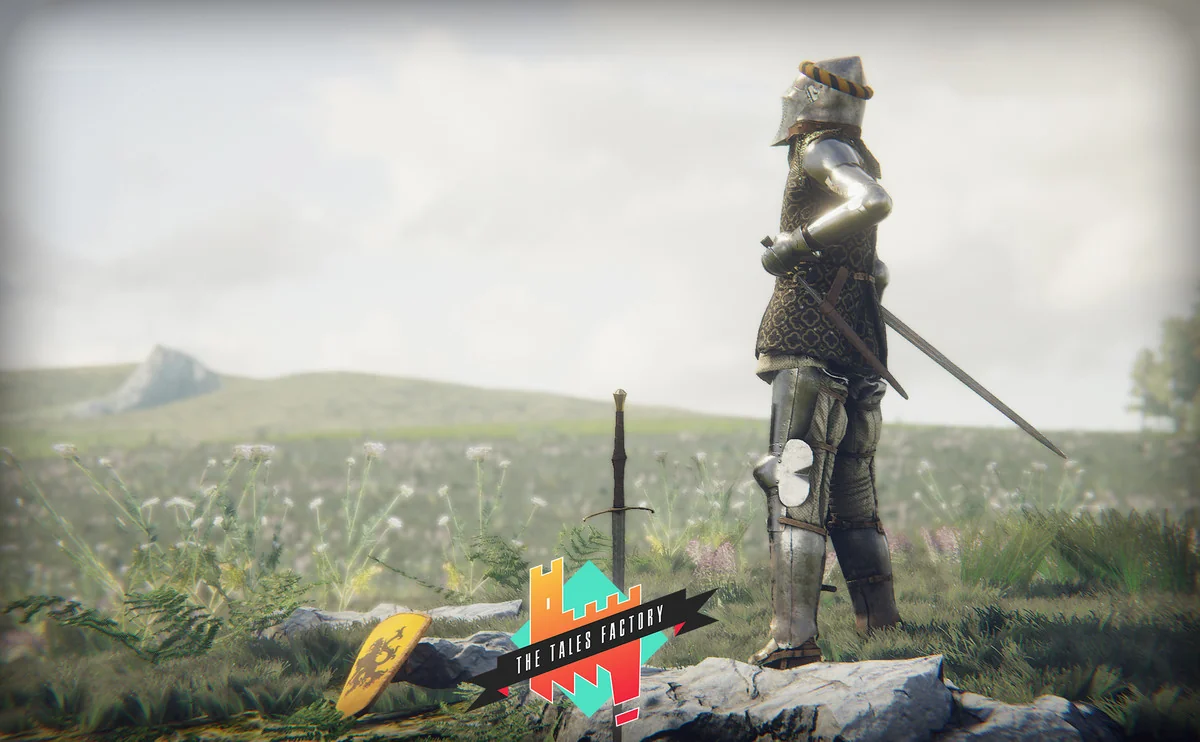
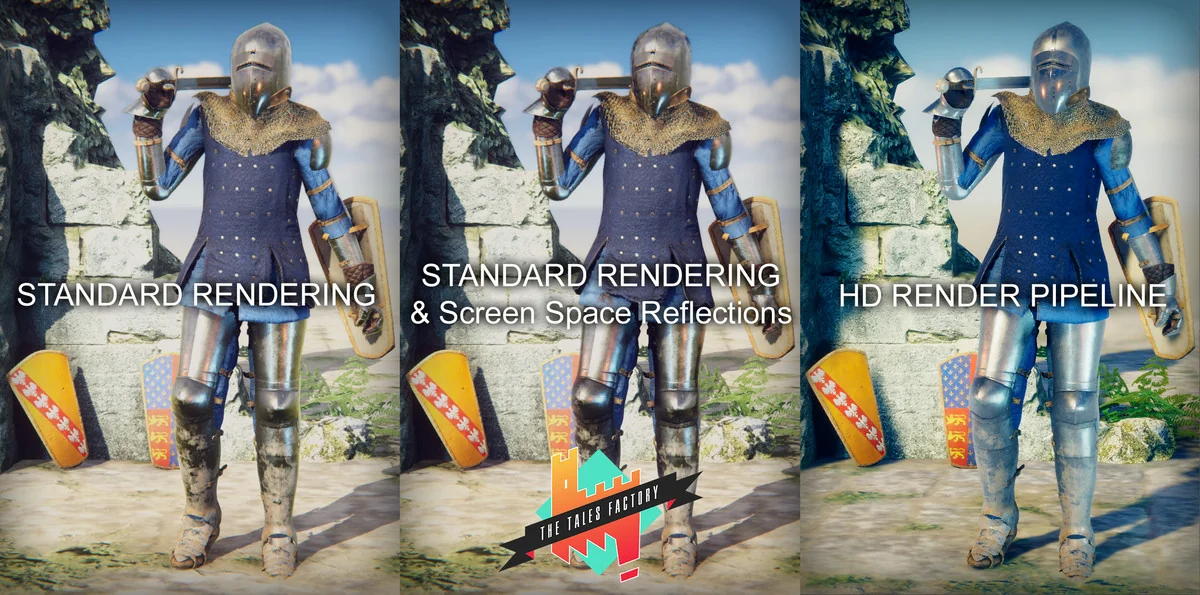
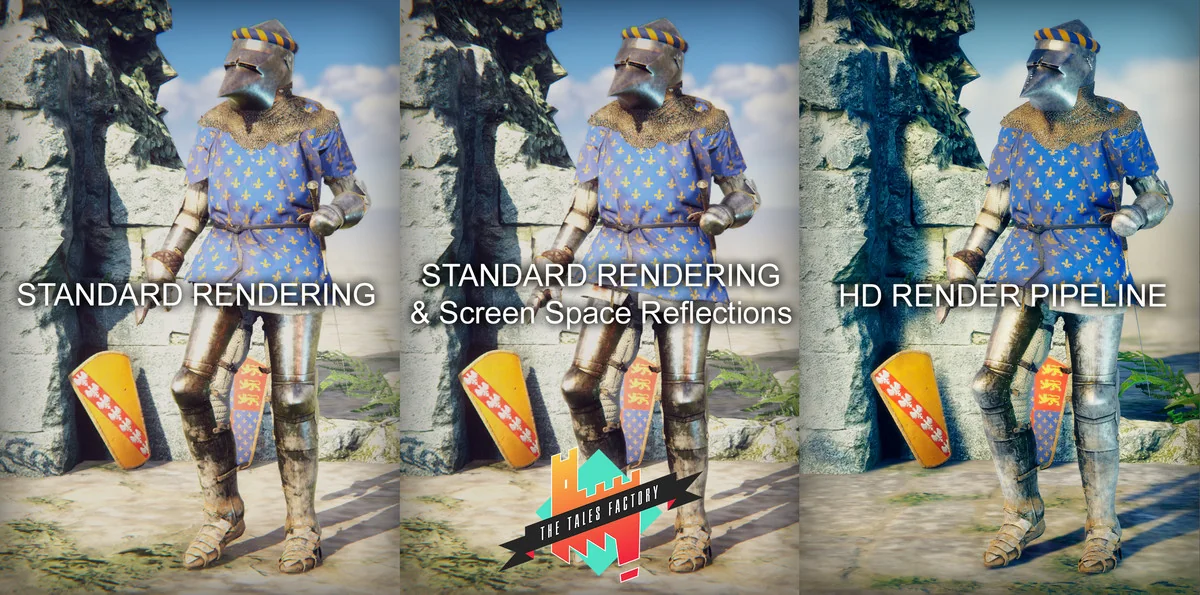
The Knighthood asset is built upon photogrammetry, utilizing scans of real pieces of armor to ensure the geometry and textures reflect historical accuracy. This process translates the physical properties of medieval gear into a digital format, resulting in a realistic appearance that serves as a foundation for high-fidelity environments. The creator designed the system so that every knight variation originates from a unique base mesh, which can then be modified to create a diverse range of individual characters.
Modular Armor and Material Customization
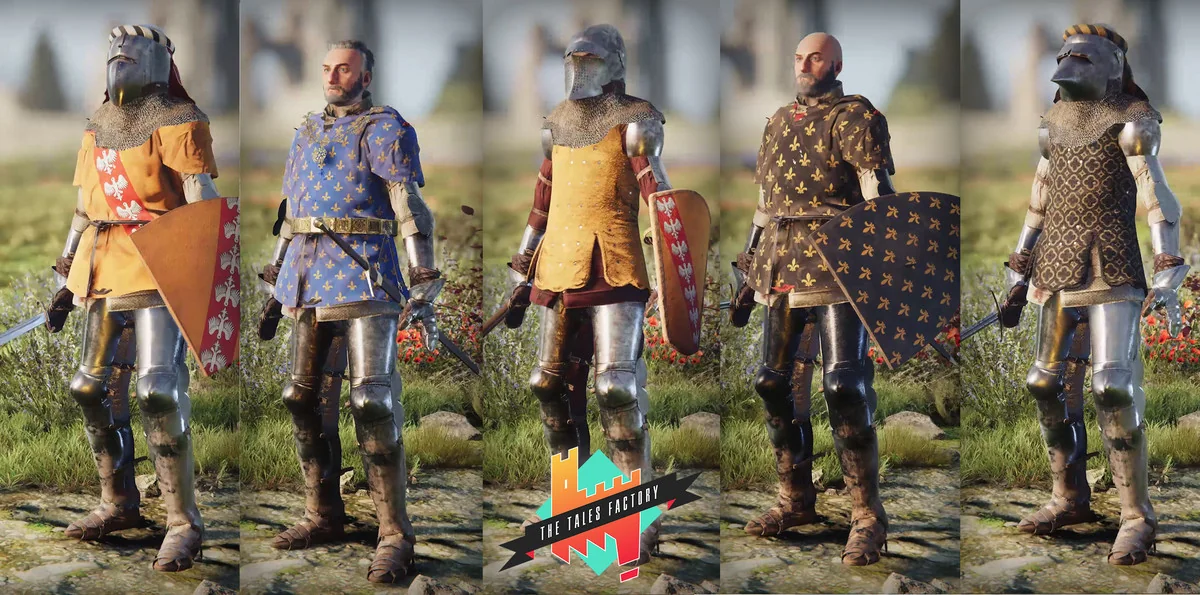
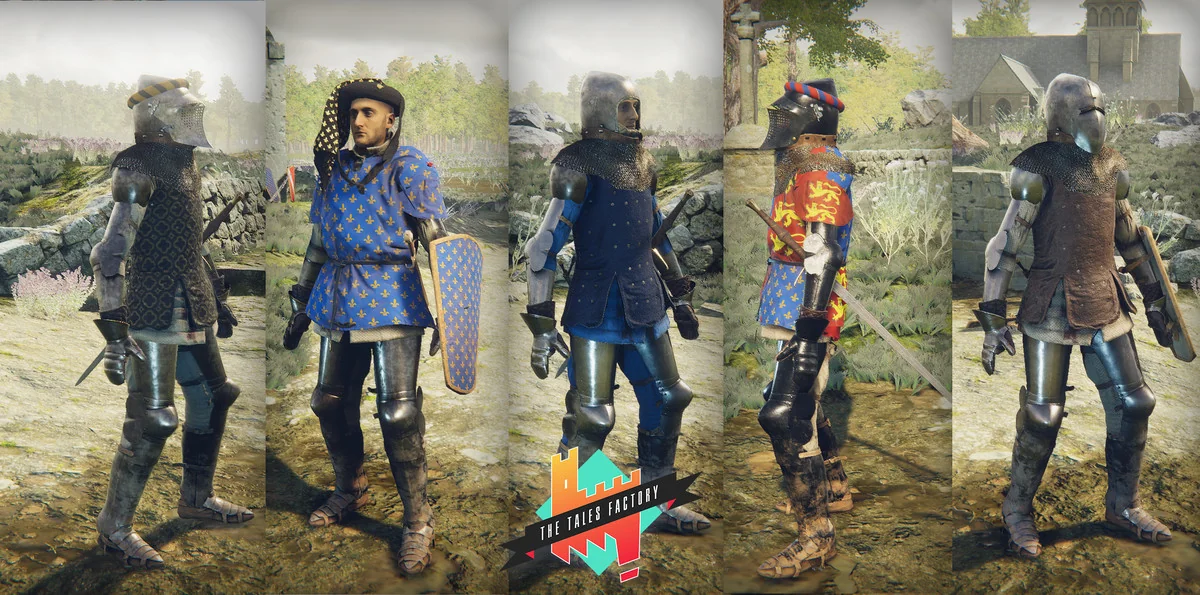
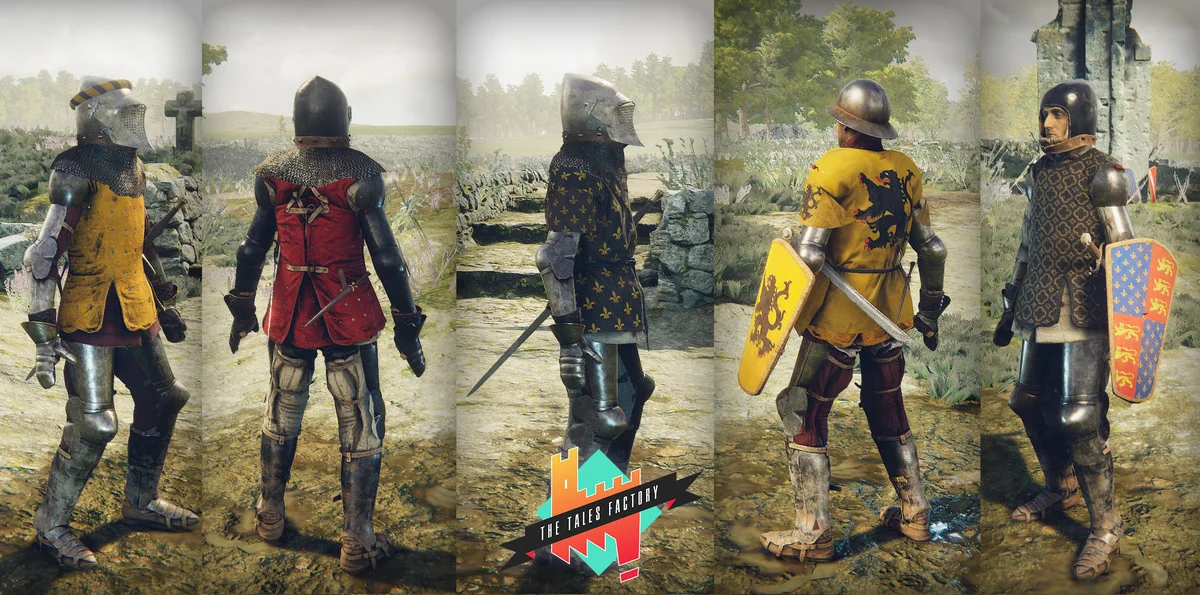
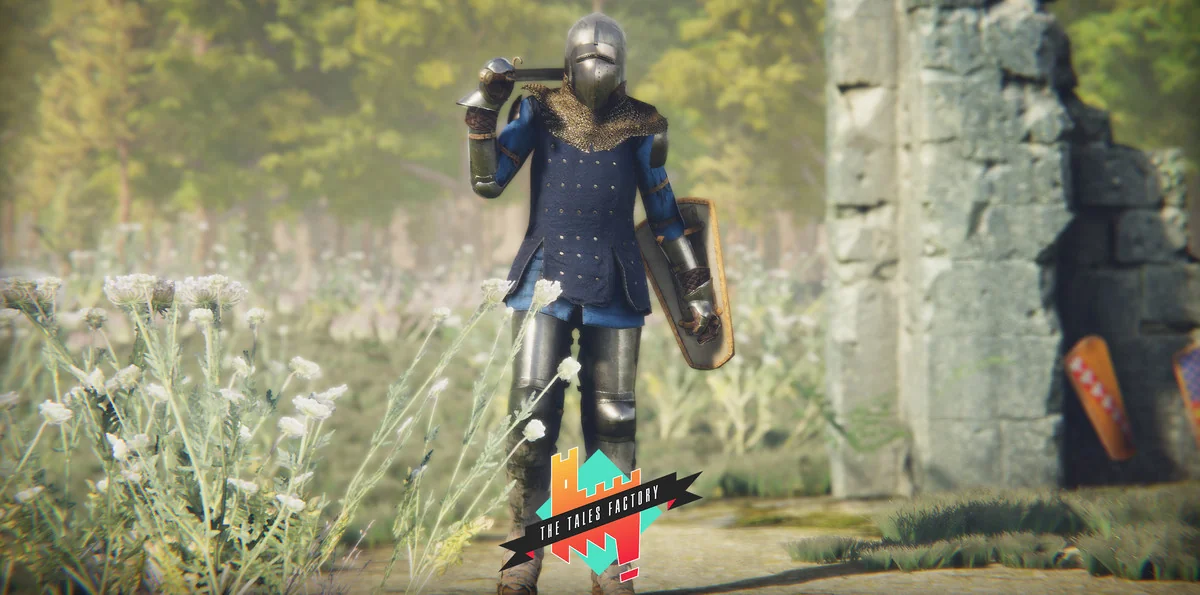
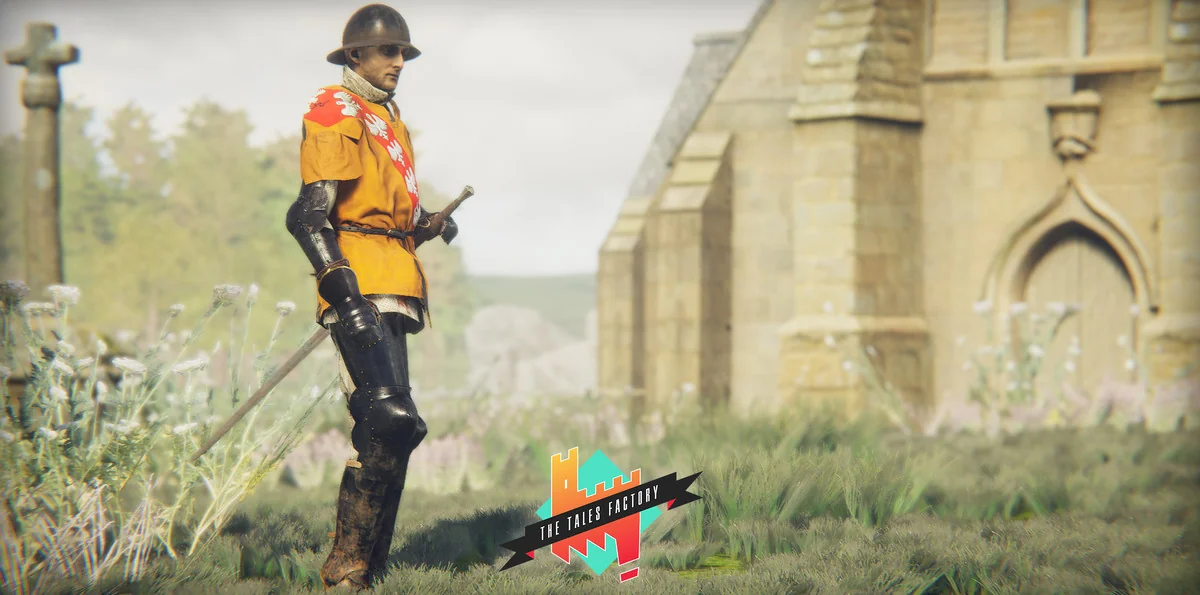
The character is highly modular, allowing for significant visual variety without requiring entirely new meshes. Users can toggle the visibility of specific components, including helmets, visors, chainmail, tabards, and shoulder armor. Beyond structural changes, the asset includes accessories like belts and necklaces to further distinguish character designs. The head itself is customizable, offering several beards and hair options to accompany the rigged face, which includes blendshapes for facial movement.
Material variation plays a large role in the customization process. The armor comes with three distinct finishes: clean steel, patina, and blackened steel. For soft goods, the coat of plate covers are available in wool, leather, or a decorated finish. To facilitate unique color schemes, a .psd file with masks is included for the wool variation, allowing developers to adjust the body armor colors to fit specific faction aesthetics.
Heraldry and Identity Systems
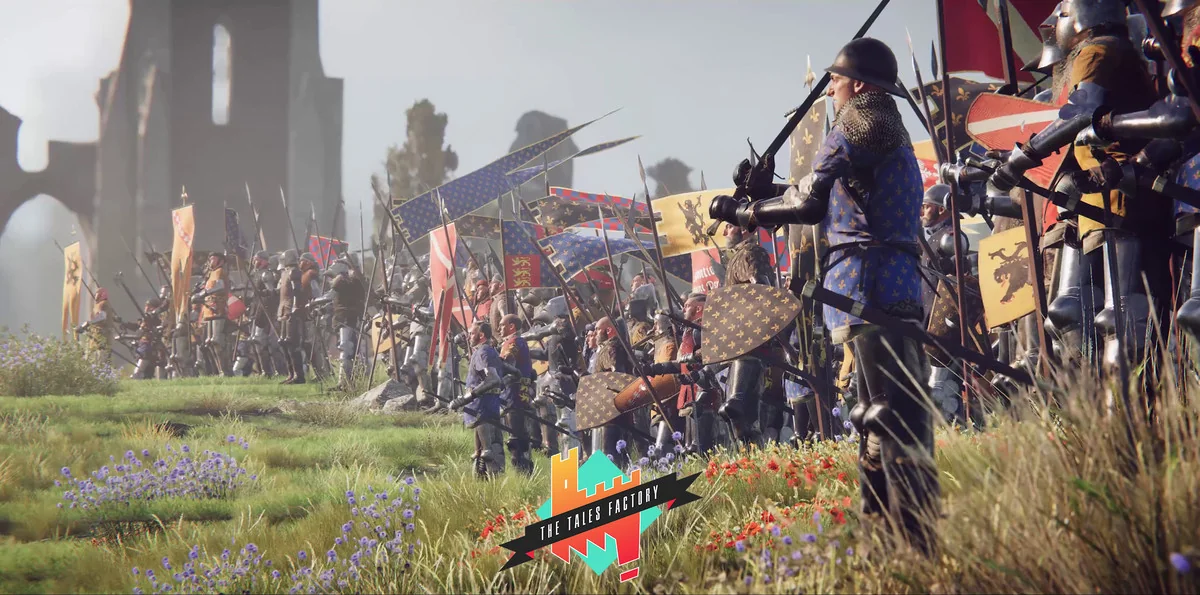
To support historical or fantasy faction systems, the package includes a robust heraldry setup. The coat of arms and shields feature seven different albedo textures. For more specific branding, the provided .psd masks enable the creation of custom heraldry. This customization extends to the labry—the ornamental cloth found on helmets—which comes with four texture variations and a dedicated mask file. The shape of the hanging cloth can even be altered through texture alpha channels, providing control over the silhouette of the knight’s headgear.
A Comprehensive Medieval Armory
The asset is supported by a large collection of weaponry and equipment, ensuring the character can be outfitted for various combat roles. The included armory features:
- Two-handed and one-handed swords, daggers, and falchions.
- Blunt instruments including two types of maces and a flail.
- Polearms such as spears, voulges, and two different halberds.
- Defensive gear including standard shields and punching shields.
- Battle axes and a flagpole for standard-bearers.
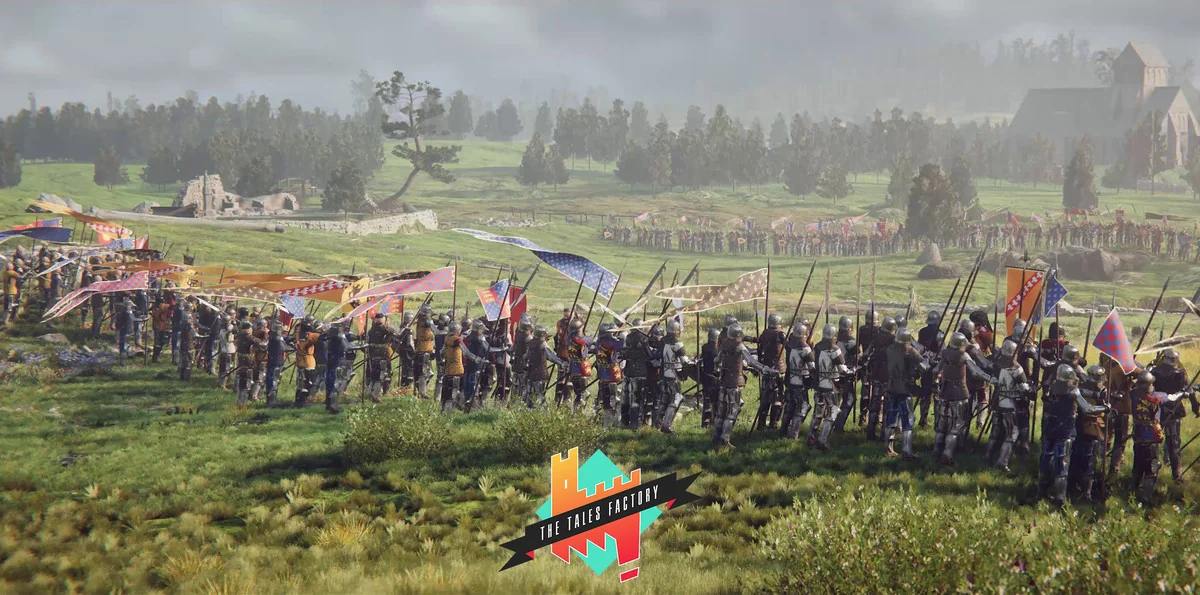
For battlefield presence, the pack includes three different banners with eight albedo variations. Like the armor and shields, these banners come with customizable .psd files to allow for unique faction iconography.
Technical Implementation and Performance
The knight mesh is optimized for different performance requirements through five levels of detail (LODs). These range from 26,867 triangles at the highest quality to 3,459 triangles at the lowest, making the asset suitable for both close-up shots and crowded scenes. The textures are standard PBR (Albedo, Metallic/Smoothness, Normal, and Occlusion) and are provided at high resolutions, though they can be adjusted based on project needs.
Texture resolutions are distributed as follows:
- 4k textures for the knight, coat of arms, face, longsword, dagger, punching shield, and falchion.
- 2k textures for the helmet, chainmail, visors, chaperon, kettle hat, and labry.
While the character is rigged and ready for integration into a character controller or cinematic sequence, it is important to note that the package does not include animations. The environment and plants shown in promotional materials are also not included in the pack.
Production Workflow Integration
This asset functions as a flexible template for historical productions. By utilizing the included masks and the modular nature of the mesh, a single asset can be used to populate an entire army with unique-looking soldiers. The combination of high-resolution photogrammetry and optimized LODs allows it to bridge the gap between cinematic quality and real-time performance needs. Developers can focus on the technical implementation of their character systems while relying on the historically grounded visuals provided by the creator’s scanning process.
Asset Gallery