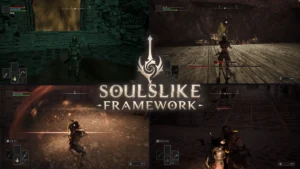
Introduction to the Flexible Combat System – Basic
Flexible Combat System – Basic is an essential starting point for developers entering the world of game creation. Originally released in April 2021, this asset serves as a standalone framework designed to simplify character interactions. It provides a clear introduction to Blueprints while maintaining professional functionality. Consequently, it is the ideal tool for learning core concepts used in modern games.
Beginner-Friendly Development and Integration
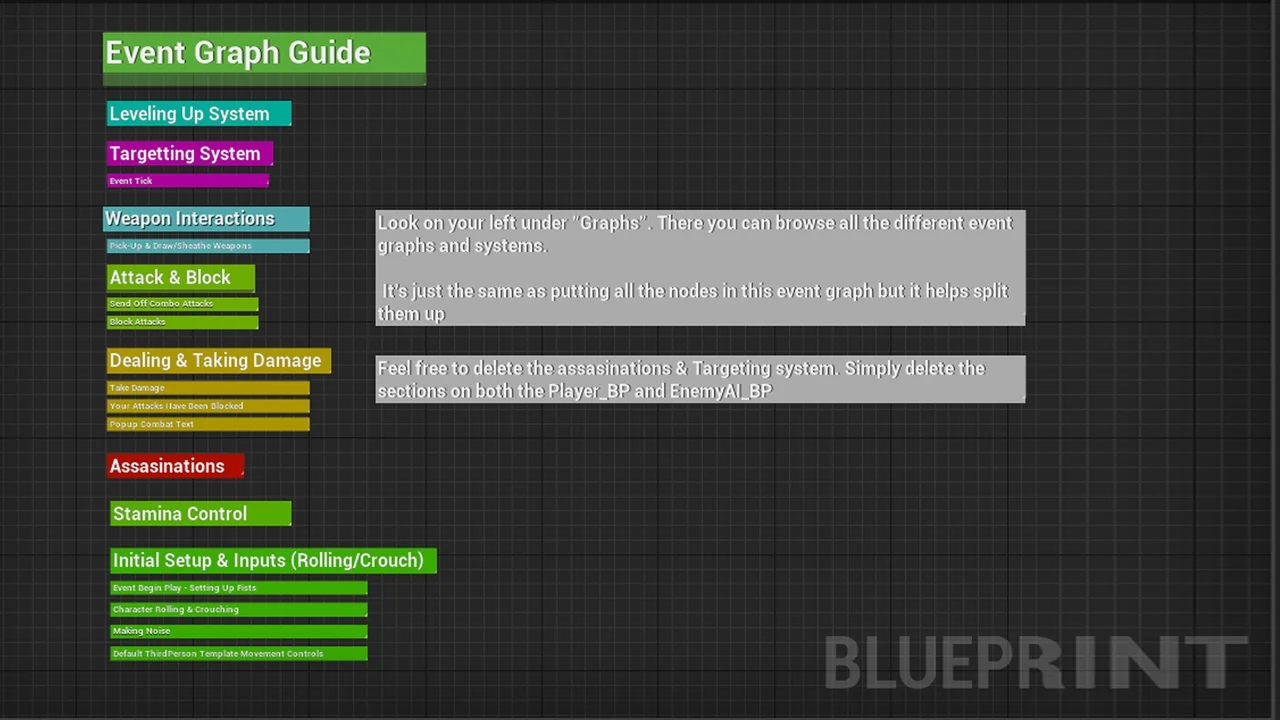
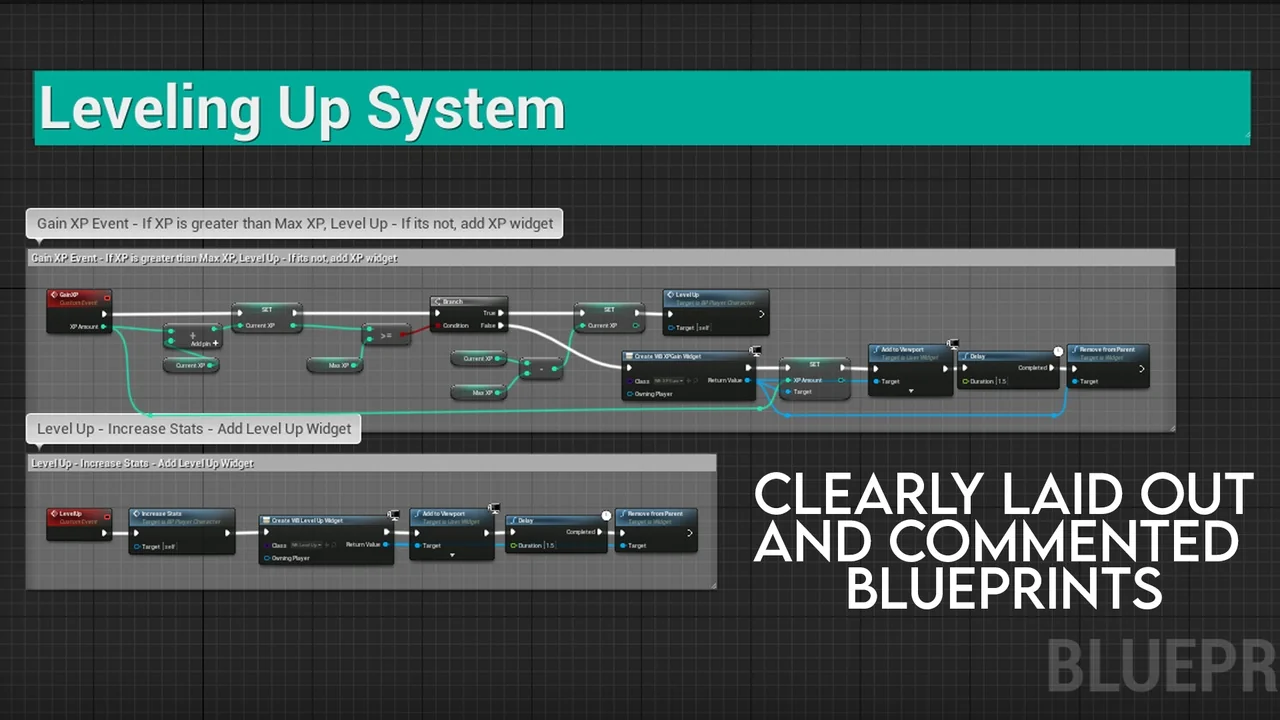
The developer designed this framework to be highly accessible for those new to game development. Users can easily add the system to existing projects or use it as a base for new ones. Moreover, the Blueprint logic is easy to understand and edit. This allows creators to add or remove features based on their specific needs. Therefore, it serves as an excellent educational resource for mastering game logic.
Versatile Combat and Weapon Styles
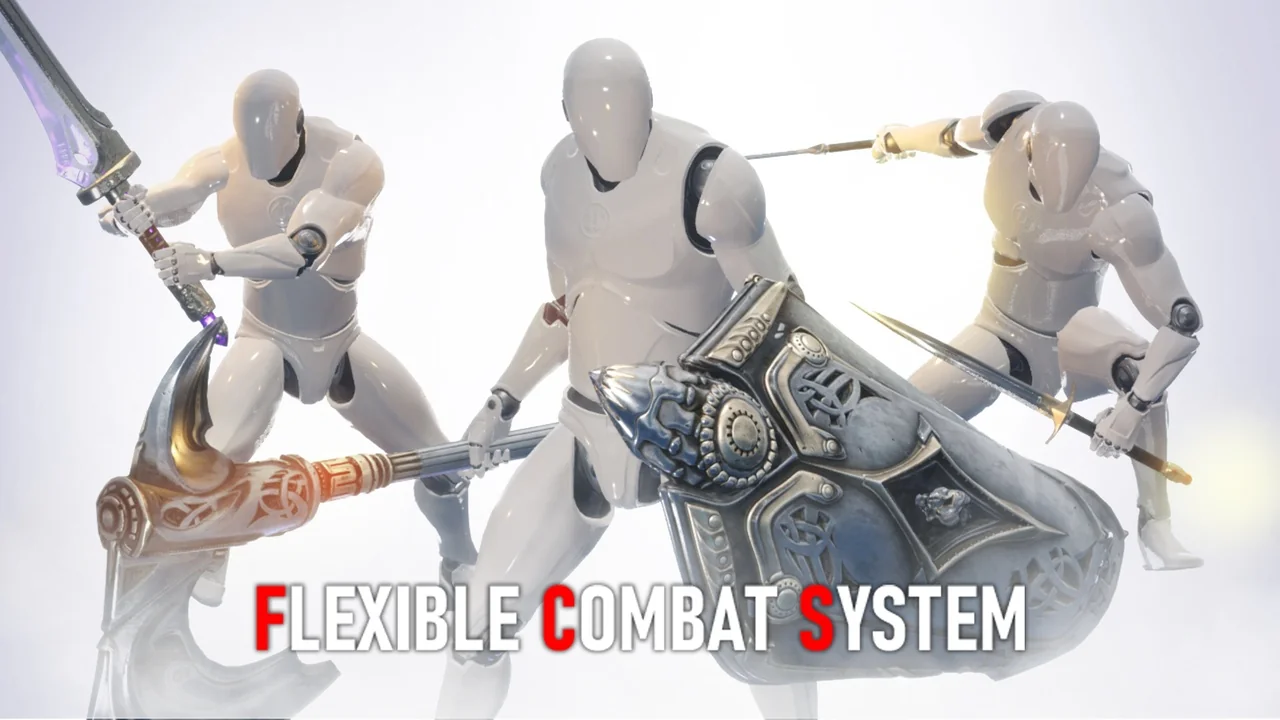
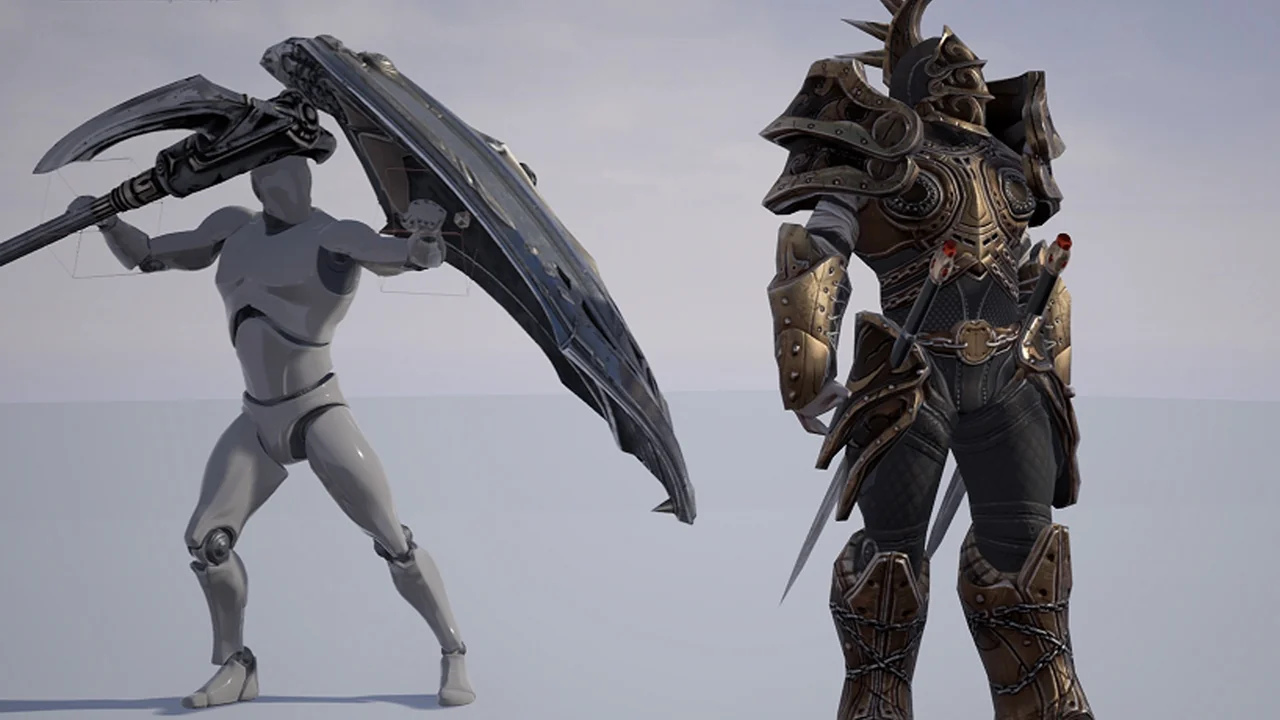
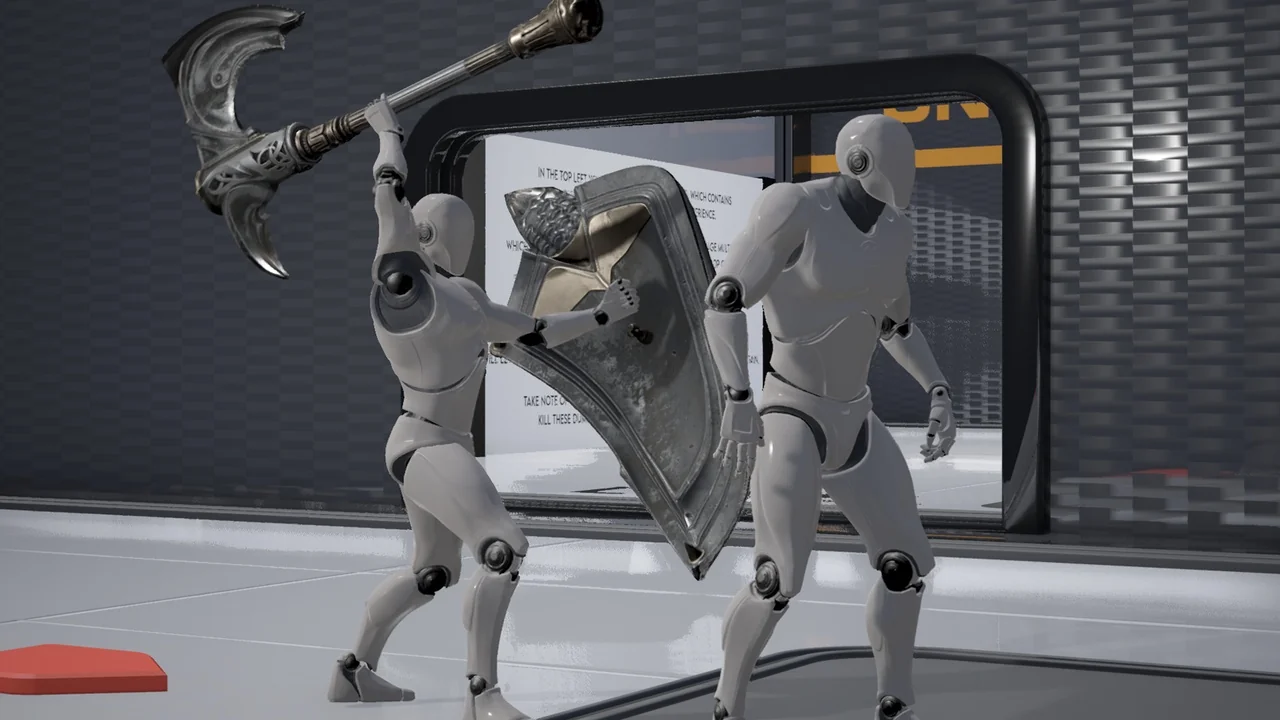
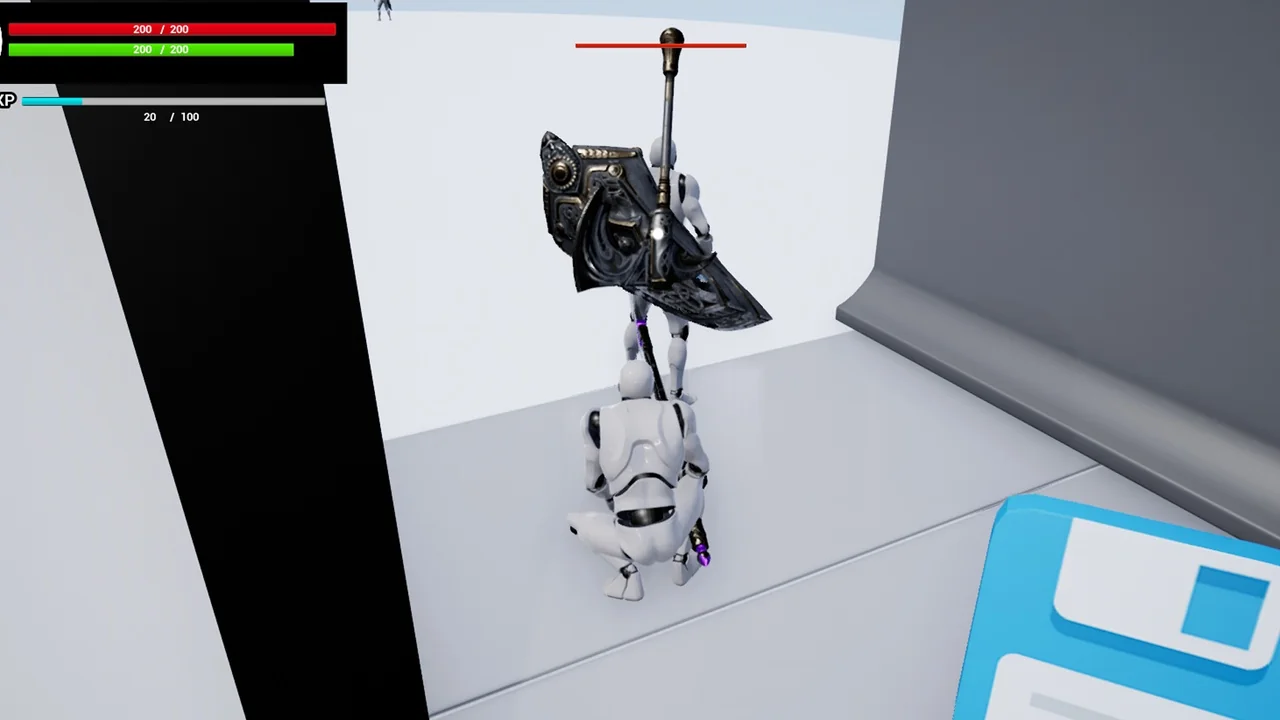
The Flexible Combat System – Basic supports several distinct fighting styles right out of the box. Players can engage in combat using fists, one-handed weapons with shields, two-handed weapons, or dual-wielding setups. Additionally, the system includes a pick-up and draw/sheathe mechanic for all weapons. These features allow developers to quickly establish a diverse arsenal for their characters. The combat also utilizes line trace hit detection for accurate interactions.
Advanced AI and Stealth Mechanics
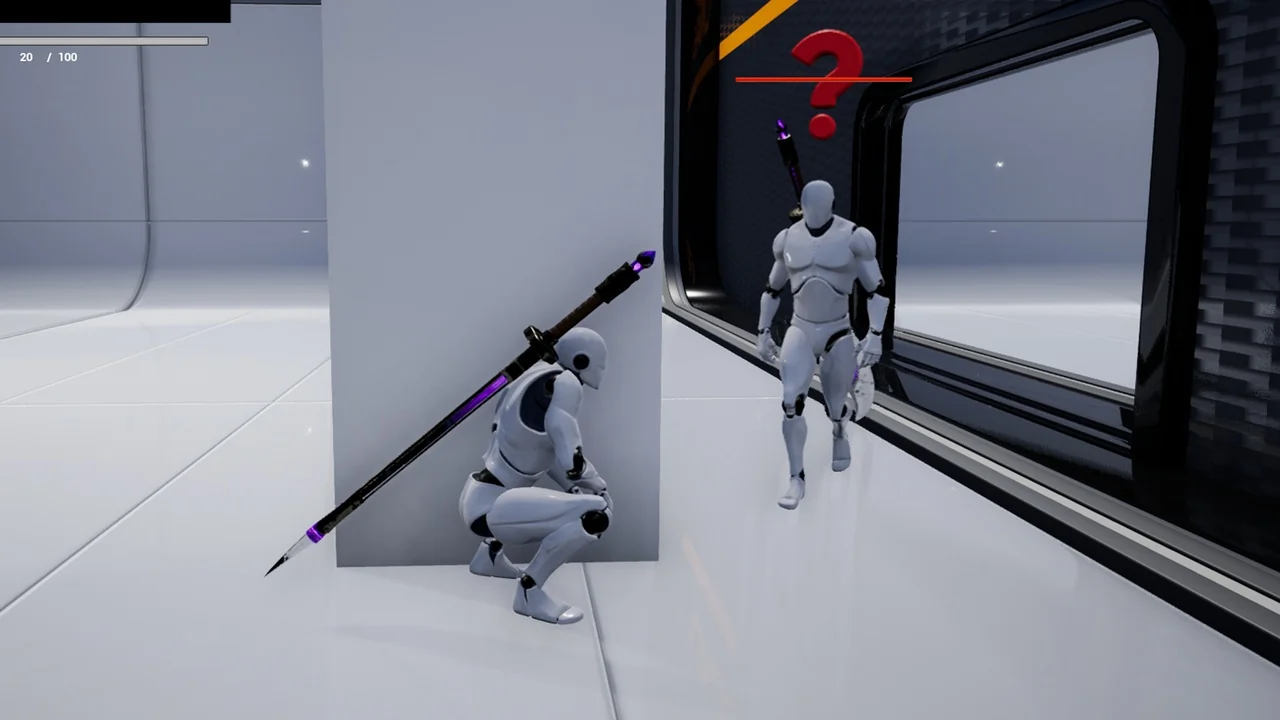
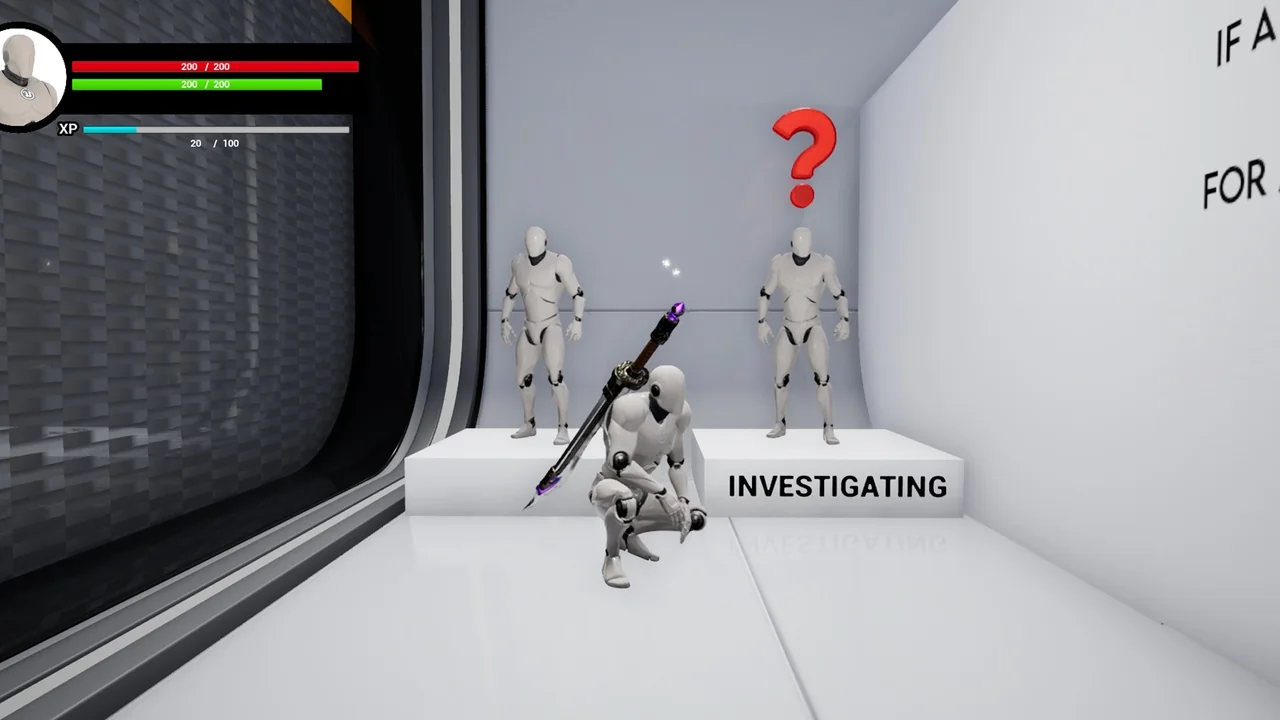
Beyond simple combat, the asset features a responsive AI system that enhances gameplay depth. The AI can patrol, detect noise, and engage the player in combat. Furthermore, a dedicated stealth system allows for sneaking, creating distractions, and performing assassinations. These elements ensure that the gameplay experience is dynamic and challenging for the player. The AI also supports blocking and ragdoll death effects.
Core Game Systems and Feedback
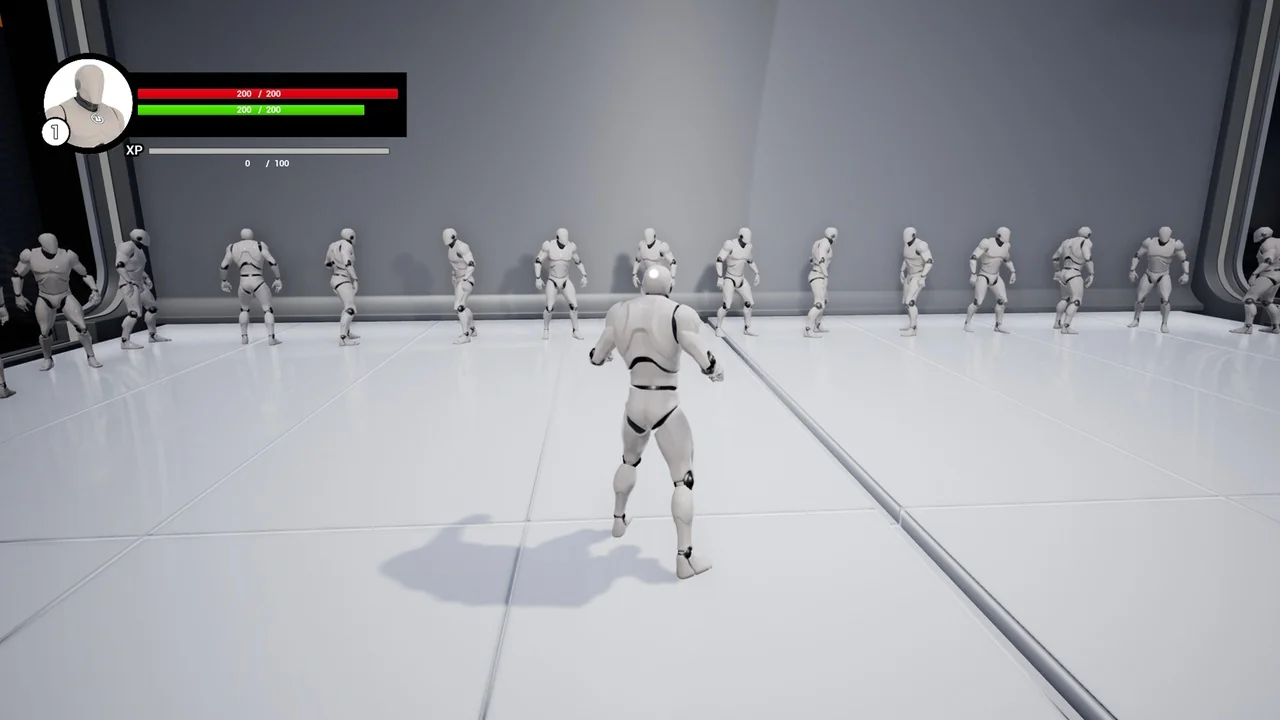
To enhance the player experience, the framework includes several essential game systems. A leveling system tracks Health, Stamina, XP, and damage multipliers. Meanwhile, the system manages save and load functionality through checkpoints or an in-game menu. Visual feedback is provided through popup combat text and slow-motion kill cams. These details add a professional polish to every encounter.
Conclusion
The Flexible Combat System – Basic remains a powerful tool for those starting their development journey. It offers a comprehensive suite of features ranging from weapon styles to advanced AI logic. Because it is a standalone asset, it provides a focused environment for learning and prototyping. Therefore, it is an excellent choice for building a solid foundation for any new game project.
Screenshots & Gallery