Visual Identity and Necromantic Locomotion
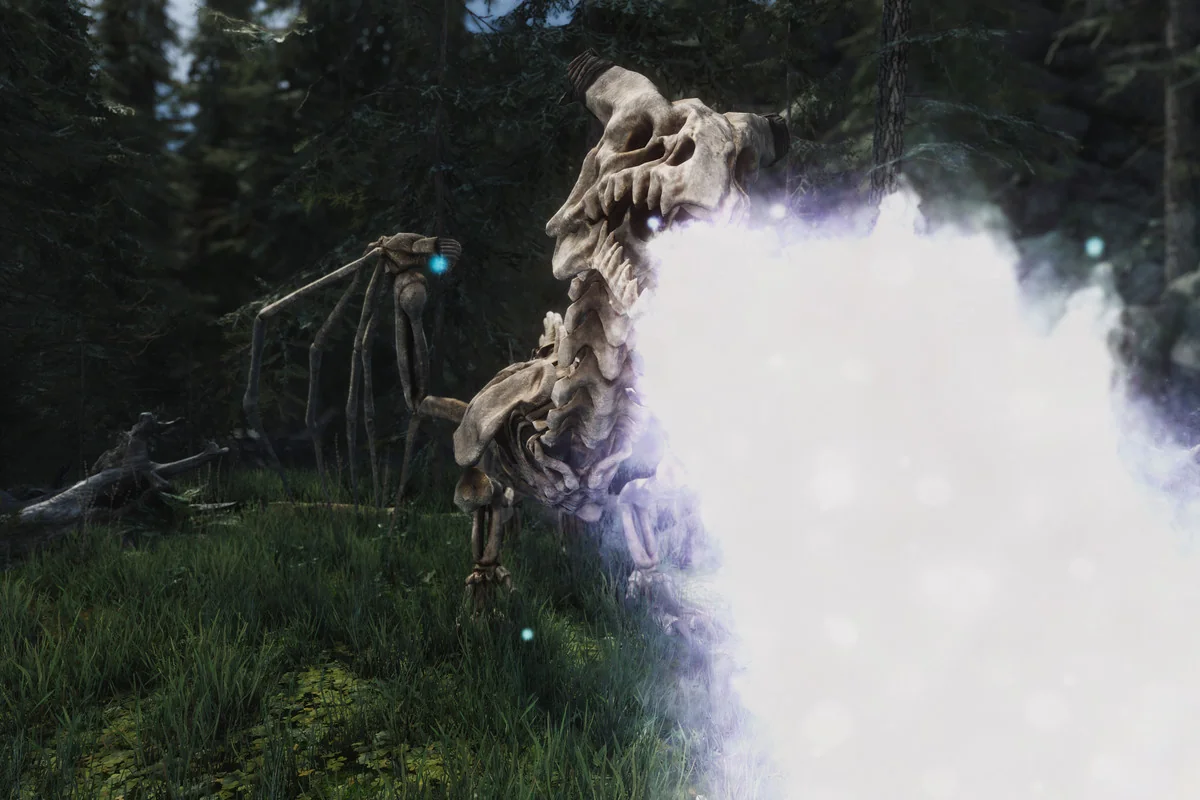
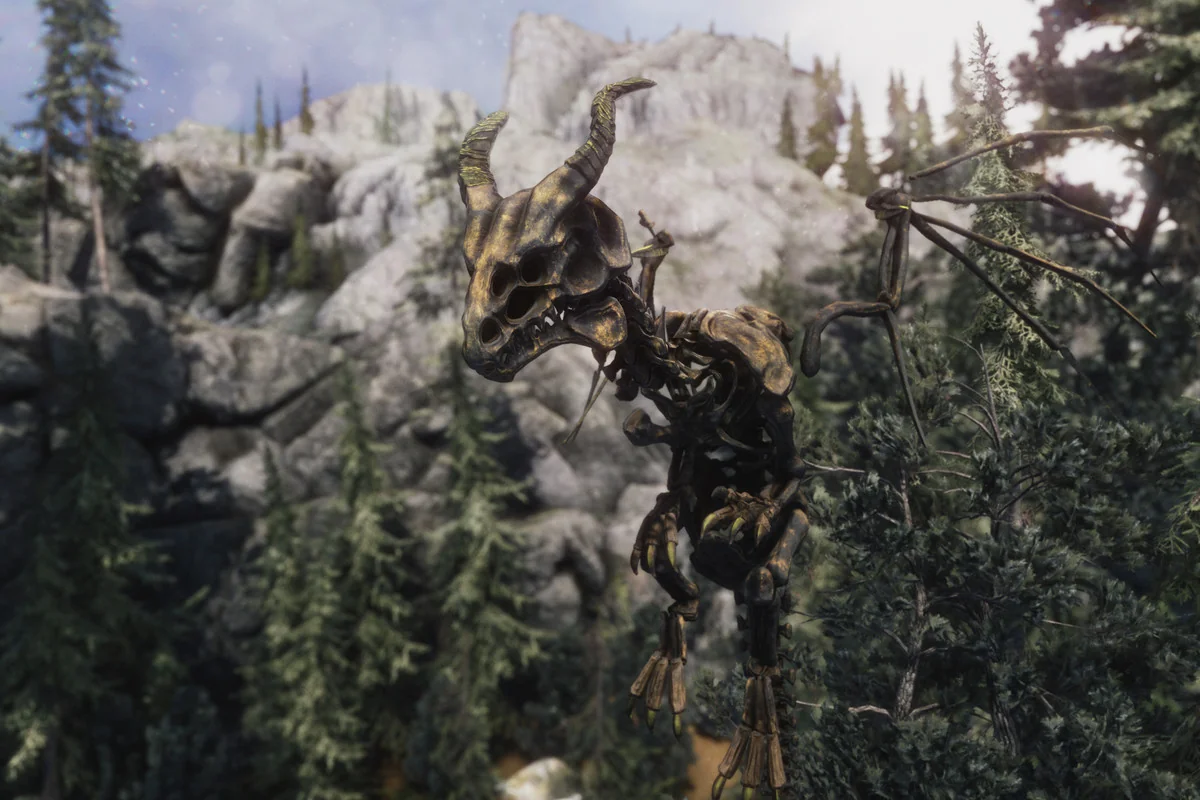
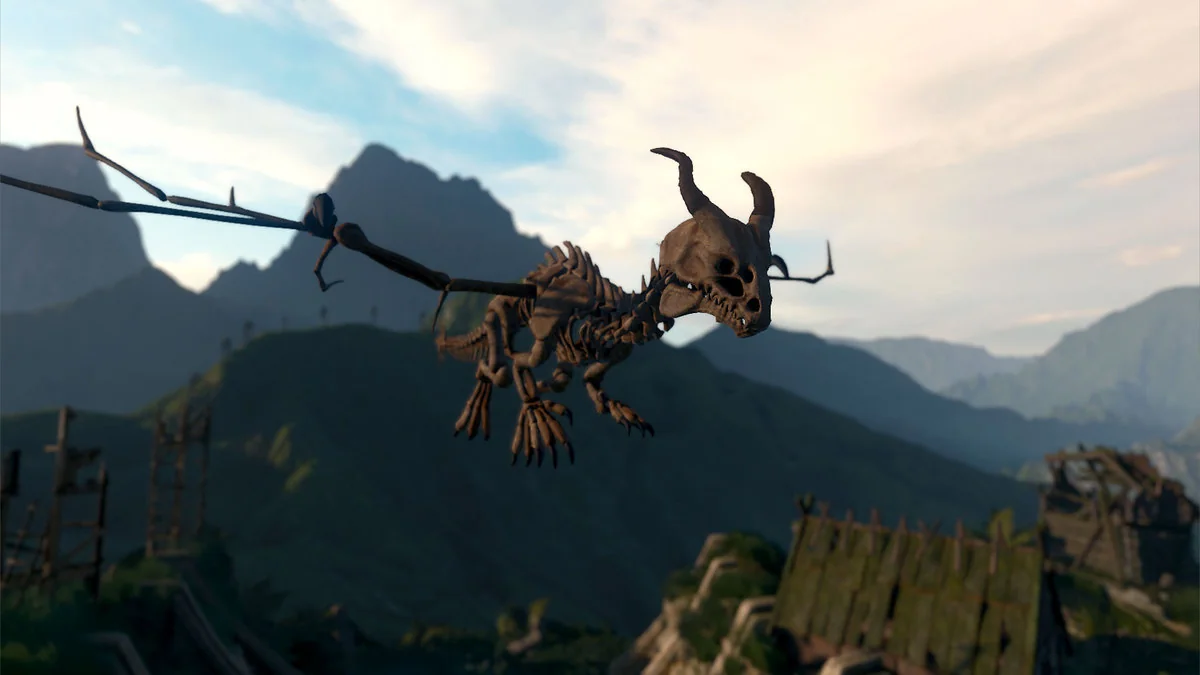
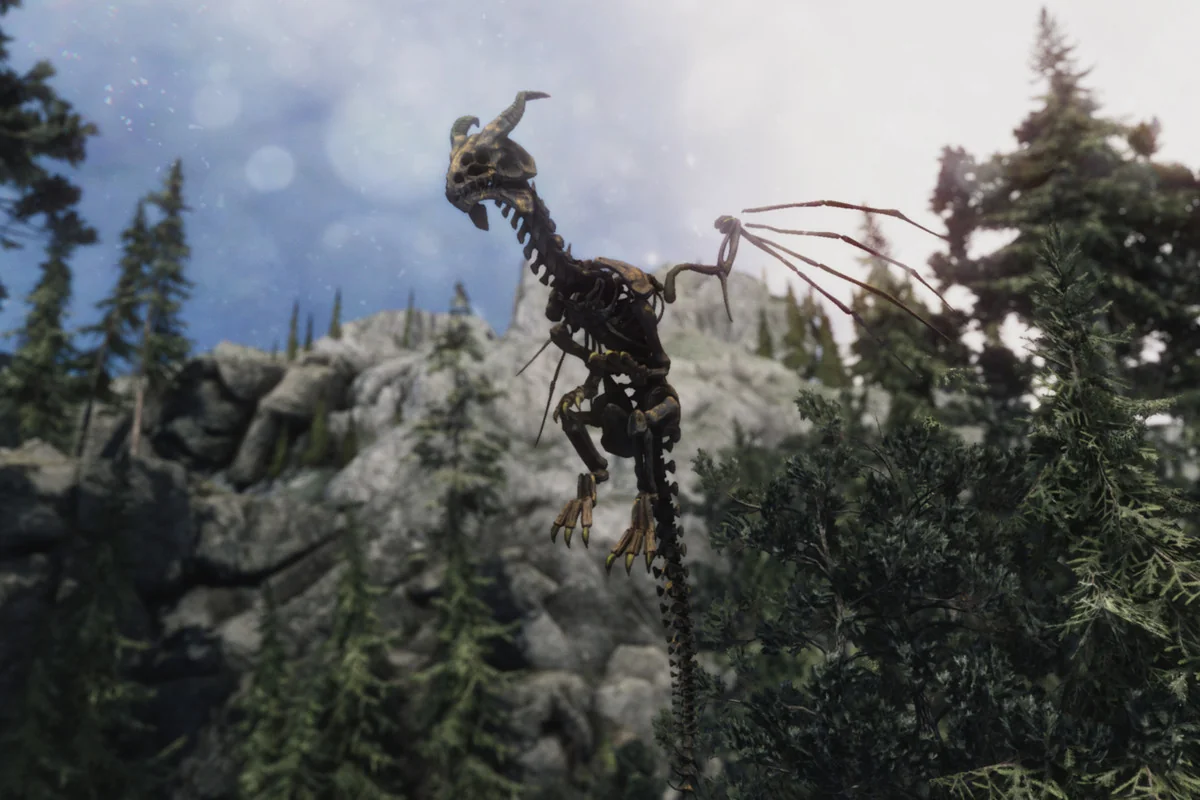
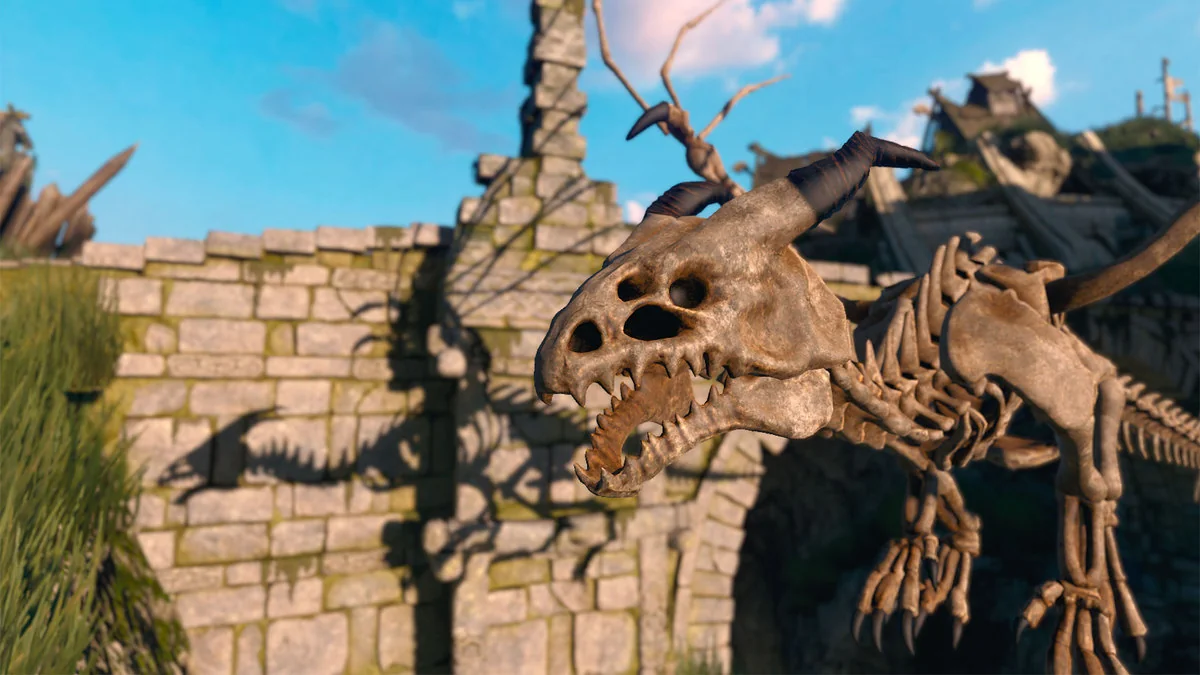
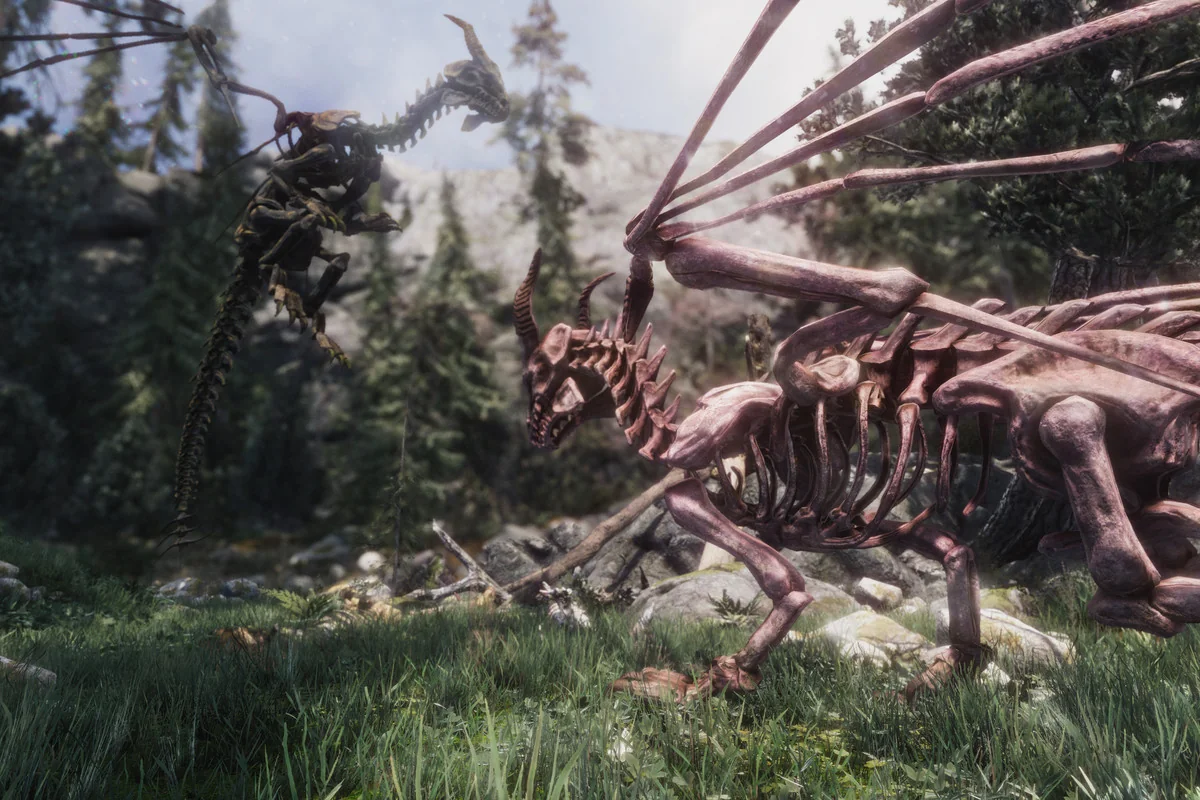
The Dragon Skeleton is designed to fill the role of a high-fantasy undead antagonist, defined by a structure composed entirely of bone. Because the creature lacks the wings and musculature required for traditional aerodynamics, its flight is conceptualized as being powered by magic. This allows for a unique movement style that deviates from standard living dragon models, offering developers a way to implement a creature that feels both ethereal and heavy. The developer has prioritized a realistic feel for the textures and animations, ensuring that despite its supernatural nature, the skeleton interacts with the game world through grounded physics.
To support the development of the creature’s visual identity beyond the 3D model, the package includes original concept art. This resource can be used as a reference for environmental storytelling or UI elements, such as bestiary entries or loading screens, ensuring that the in-game model remains consistent with the broader artistic vision of a project.
Dynamic Animation and Gameplay Mechanics
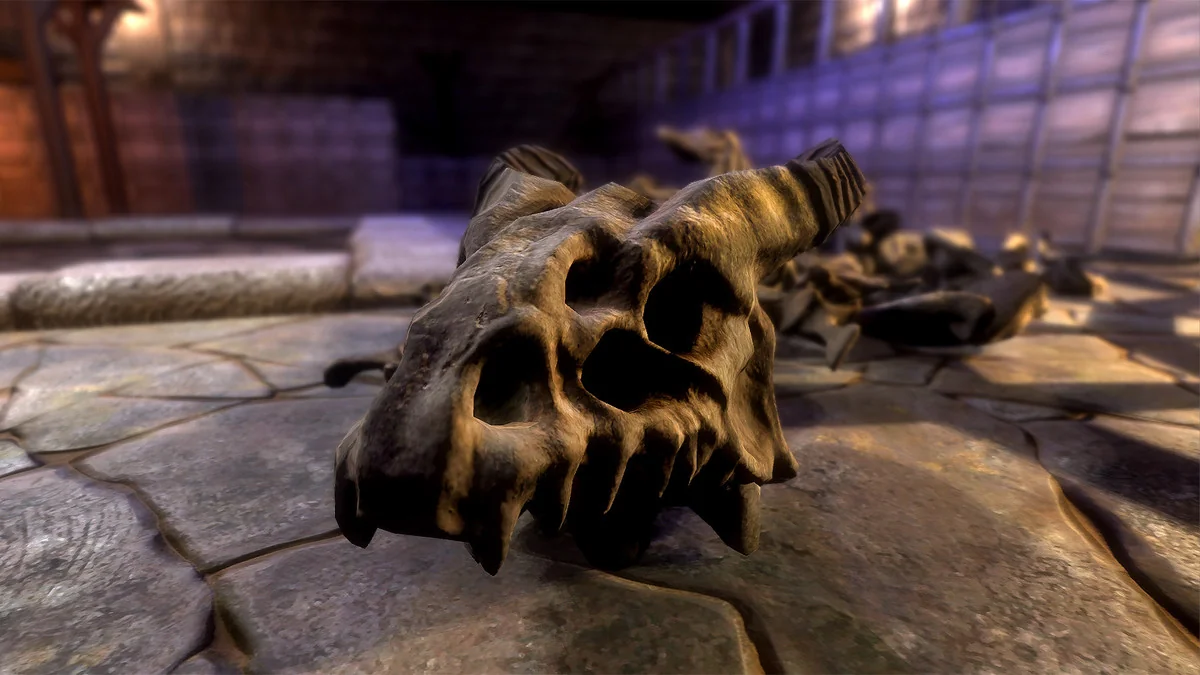
One of the most distinct functional features of this asset is its specific set of transition animations. The dragon is capable of falling apart into a disorganized pile of bones and, conversely, magically reassembling itself into a standing or flying position. These animations offer significant utility for gameplay design. For example, a developer could place a seemingly decorative bone pile in a dungeon that triggers the reassembly animation when a player approaches, creating a seamless and surprising encounter without the need for traditional spawning effects.
The inclusion of realistic physics in the animation set ensures that the weight of the bones is felt during movement. This physical presence is critical for maintaining immersion in high-fidelity fantasy titles. Because the skeleton shares the same dimensions as the developer’s living dragon packs, it allows for narrative continuity. A creature that players encounter as a living boss early in a campaign could be reintroduced later as an undead version, using the same spatial footprint and basic size to maintain consistency in combat mechanics and arena design.
Customization Through Mesh Morphing and External Tools
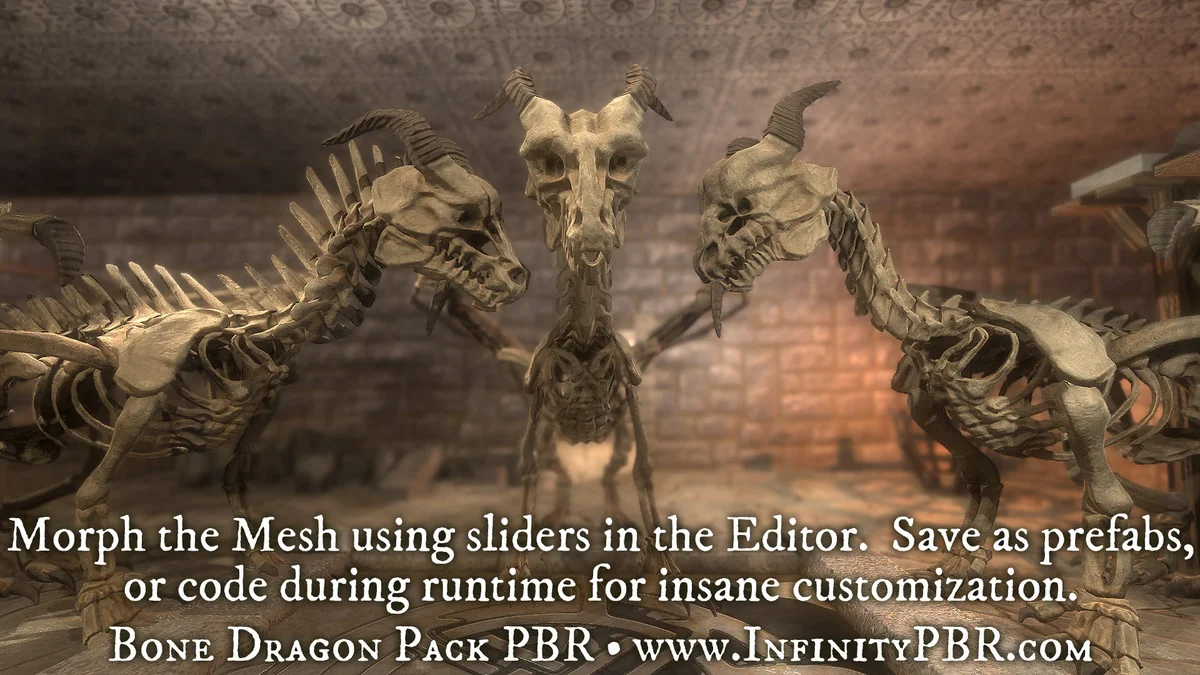
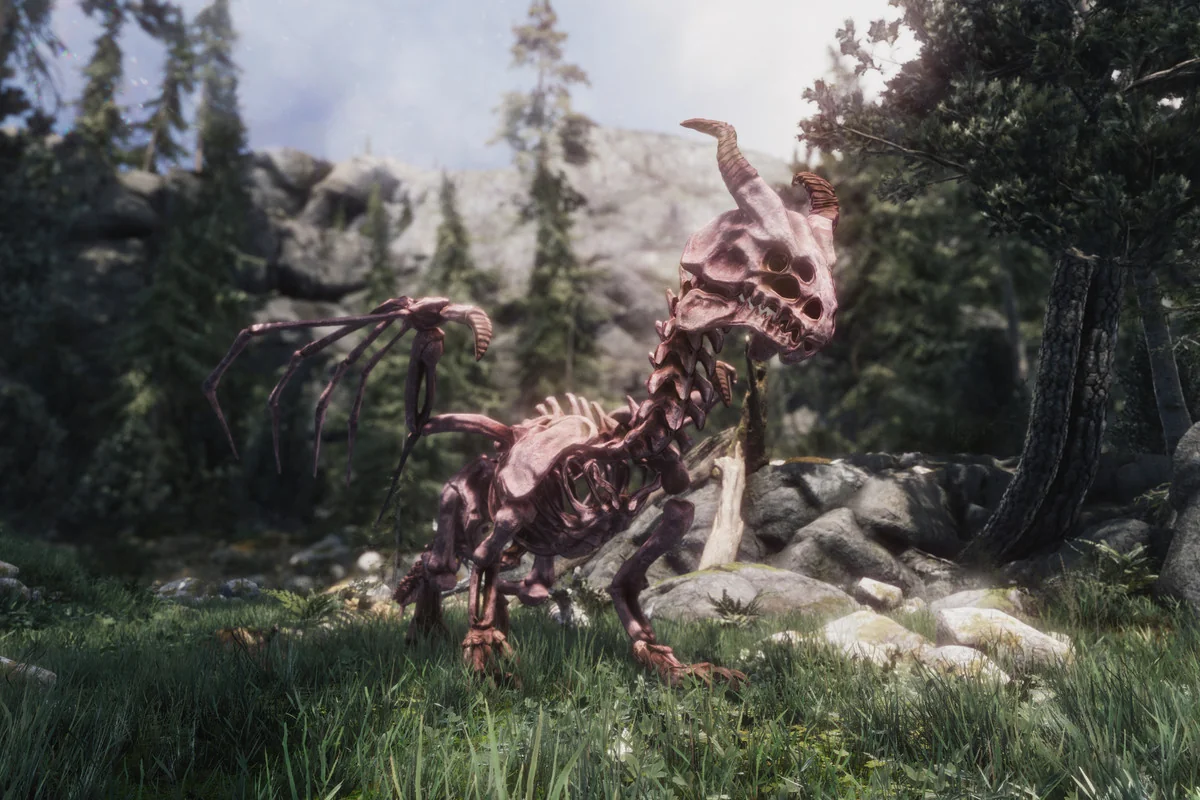
The developer has integrated mesh morphing into the package to address the need for variety in character design. Morphing allows for the adjustment of the creature’s silhouette, enabling developers to create multiple variations of the skeleton from a single asset. This can prevent visual repetition in scenes where multiple undead dragons are present, such as a dragon graveyard or a necromancer’s lair. By altering the proportions or skeletal features, each instance of the creature can feel distinct.
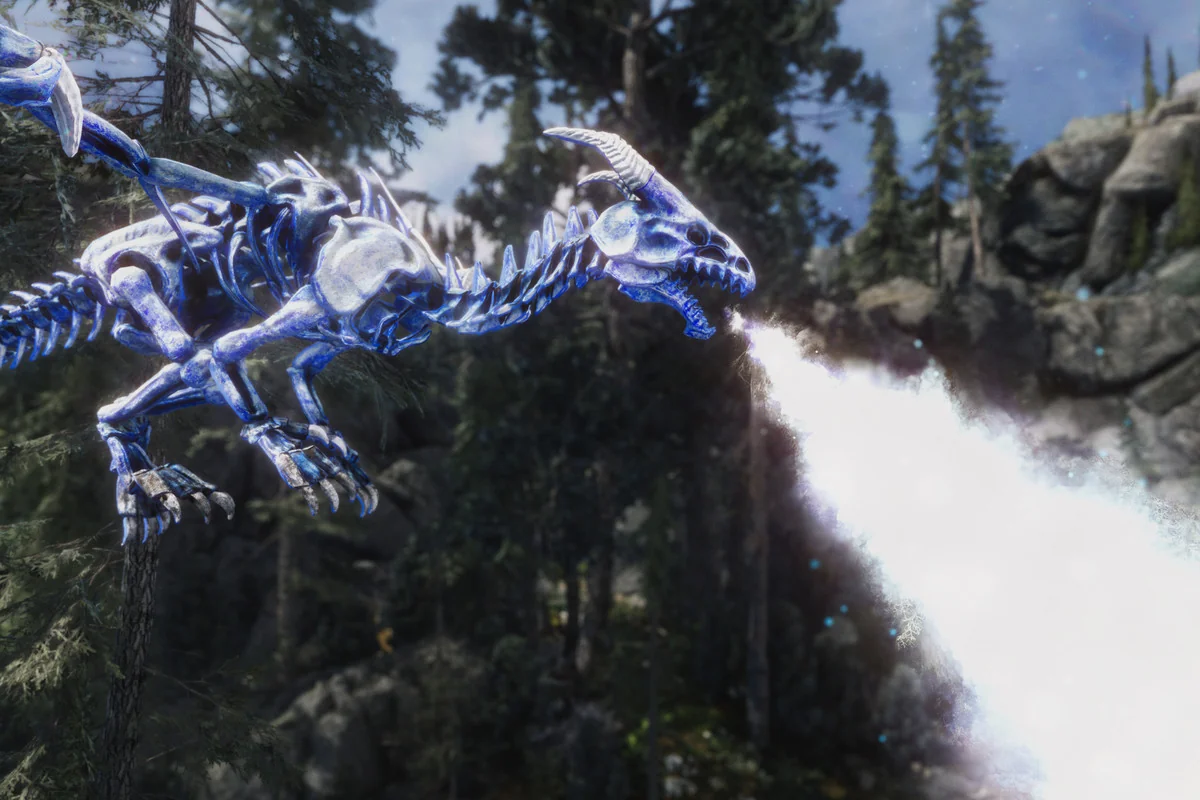
For artists who require deeper control over the visual output, the asset provides Substance Painter files. These allow for a complete overhaul of the bone textures, whether the goal is to add moss for a forest-dwelling skeleton, charred remains for a volcanic area, or frost for a mountain peak. The availability of these source files ensures that the asset can be adapted to fit specific lighting and environmental themes rather than being locked into a single look.
Technical Integration and Pipeline Flexibility
The Dragon Skeleton is built to be versatile across different technical environments. While it is shipped using the Built-in Render Pipeline, the textures are compatible with legacy shaders from Unity 5 onwards and are designed to be upgraded for use in the Universal Render Pipeline (URP) and the High Definition Render Pipeline (HDRP). This cross-pipeline support ensures that the creature can be used in mobile-optimized projects or high-end cinematic titles without losing its realistic texture quality.
Beyond the primary engine files, the asset includes a dedicated Unreal Project and Atavism files, expanding its utility for developers working across different platforms or using specific MMO frameworks. For audio integration, the package includes music, providing a foundation for the creature’s presence in a scene. Regarding optimization, the developer suggests using external tools like Mantis Online for the creation of Level of Detail (LOD) meshes. This approach allows developers to generate LODs that are specifically tuned to the polycount requirements and performance targets of their individual projects and target platforms.
Functional Versatility for Indie Developers
The philosophy behind this asset focuses on high customizability and a sense of realism. By providing the foundational components—the mesh, the morphs, the specialized animations, and the source texture files—the package functions as a toolkit rather than a static model. Developers can leverage the bone-pile mechanics for environmental traps, use the mesh morphing for enemy variety, and utilize the cross-pipeline compatibility to ensure the asset survives transitions between different versions of their project. The Dragon Skeleton serves as a robust resource for creating complex, interactive undead encounters that go beyond simple combat encounters.
Visual Breakdown