Optimized Geometry and Performance Profile
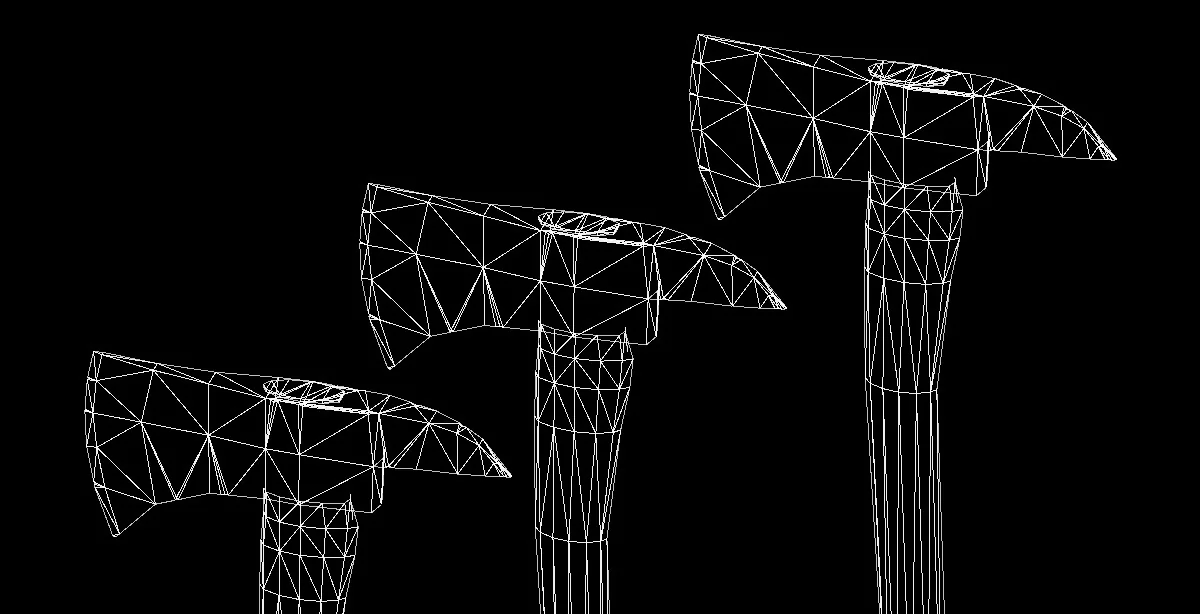
The Bloody Fire Axe is designed with a focus on geometric efficiency, utilizing a total of 530 triangles. This low vertex count makes the asset suitable for various deployment targets, including mobile platforms, VR environments, or as a background prop in complex scenes where performance budgets are tight. By maintaining a lean triangle count, the developer ensures that the model can be instanced multiple times within a level without significantly impacting the draw call or vertex processing overhead.
The mesh represents a worn fire axe, a common staple in survival and horror genres. Because the geometry is streamlined, the asset remains versatile for use as either a pickup item or a static piece of environmental dressing. The 16.1 MB total file size of the package reflects this lean approach, ensuring that the asset does not contribute heavily to the final build size of a project.
Visual Details and PBR Texturing
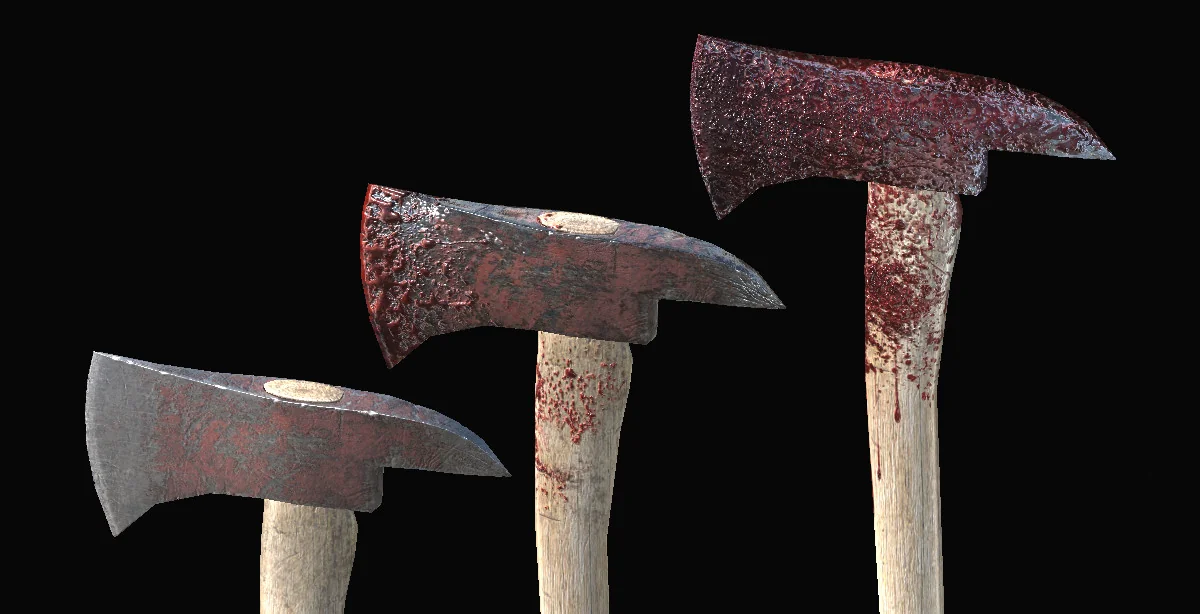
To compensate for the low-poly geometry, the creator has focused on the visual fidelity of the surfaces through the use of 1024×1024 PBR (Physically Based Rendering) textures. These textures are designed to react accurately to lighting conditions within the Unity engine, providing a sense of weight and material reality to the wood and metal components of the axe. The “worn” aesthetic mentioned in the technical details suggests that the textures include signs of age, use, and degradation, which helps the prop blend into gritty or post-apocalyptic settings.
A key feature of this package is the inclusion of two distinct blood texture variants. This allows developers to swap materials or textures to reflect different gameplay states. For instance, a clean version of the axe can be swapped for a blood-splattered version following a combat encounter, or different variants can be placed throughout a level to suggest varied narrative histories for the objects found by the player.
Package Composition and Asset Count
The package contains a total of 22 assets, which indicates a comprehensive setup for the Unity editor. While the core of the package is the axe mesh and its 1024×1024 textures, the asset count suggests that the developer has included the necessary components to make the axe ready for immediate use. This typically includes the 3D models, textures for the different blood variants, and the materials required to apply those textures to the mesh.
With 22 individual files, the package likely provides pre-configured prefabs. These prefabs allow for a drag-and-drop workflow where the materials, textures, and meshes are already linked. The inclusion of multiple assets for a single tool suggests that the different blood stages are likely separated into their own material or prefab configurations, streamlining the process of implementing the axe into a game’s item system.
Technical Requirements and Pipeline Compatibility
The Bloody Fire Axe was developed for the Unity 2021.2.0 version and specifically targets the Built-in Render Pipeline (2021.2.0f1). This makes it directly compatible with projects that have not migrated to the Universal Render Pipeline (URP) or the High Definition Render Pipeline (HDRP). The use of the standard Built-in pipeline ensures that the PBR materials function as intended using Unity’s traditional lighting and shading systems.
The asset has been maintained since its original publication in 2013, with the most recent version (1.2) released in March 2022. This update cycle included updated textures, ensuring that the visual quality remains aligned with more modern project requirements while retaining the original low-poly efficiency. The package is delivered as a standard .unitypackage file, which is the native format for importing assets into the Unity environment.
Environmental and Narrative Applications
Given the worn appearance and the blood variants, this asset is primarily intended for projects requiring a specific atmospheric tone. It fits naturally into horror, thriller, or survival-action games. The dual texture variants provide a simple but effective way to handle environmental storytelling. A developer might use the axe as a static prop embedded in a door to suggest a previous struggle, or as a weapon that changes appearance as the player progresses.
The combination of a 530-triangle mesh and PBR textures allows the asset to hold up under relatively close inspection by the player without the performance cost of a high-fidelity hero asset. This balance makes it a practical choice for developers who need to populate their game worlds with recognizable, thematic tools that serve both functional and aesthetic purposes.
Project Screenshots