Framework for Old-School Action RPG Development
The ARPG Project serves as a functional template for building action-oriented role-playing games within Unity. Built using C# and standard engine tools, it provides a structured starting point for developers aiming to replicate classic RPG mechanics. The project is designed with modularity in mind, supporting Unity versions ranging from 2021.3.25f1 through Unity 6 and future releases. It includes 762 individual assets, making it a substantial base for prototyping or full-scale production.
Control Schemes and Combat Implementation
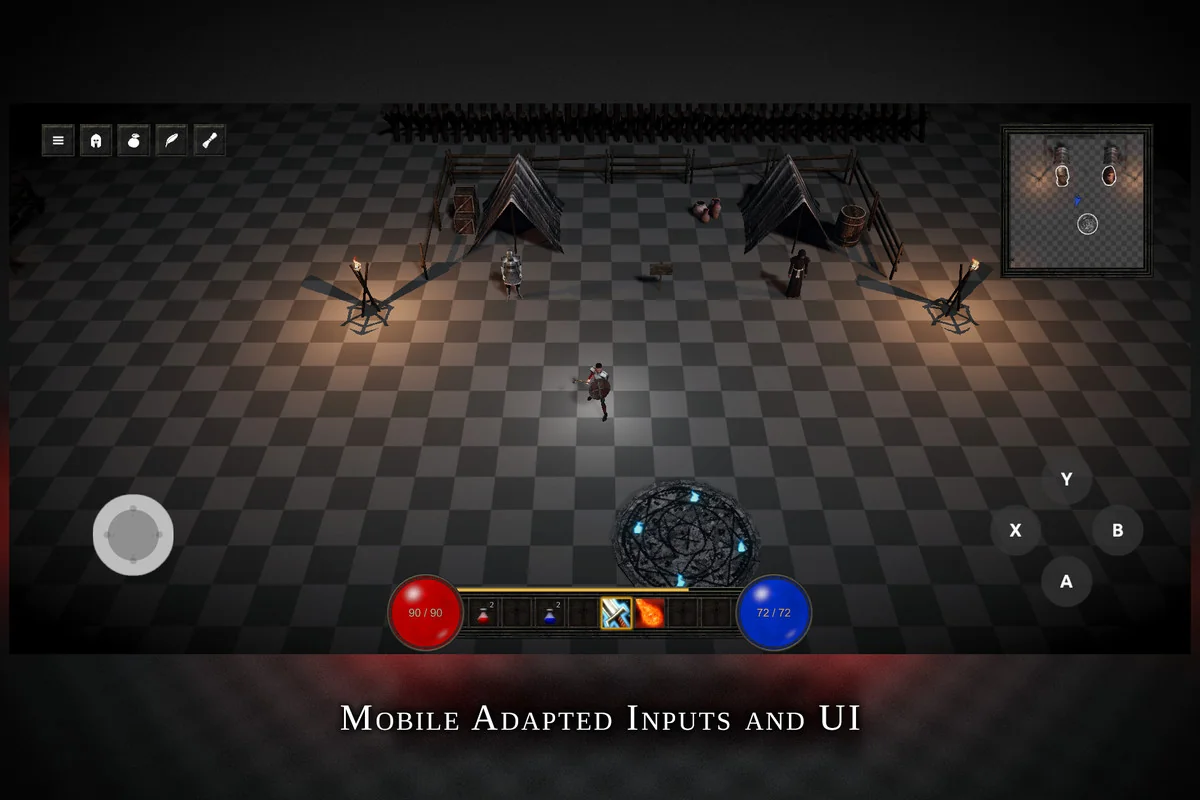
The resource accommodates multiple input methods, allowing for either traditional Point & Click navigation or WASD-based movement. This flexibility extends to platform support, with built-in configurations for mobile devices. Characters utilize the Humanoid Rig system, ensuring compatibility with standard animation sets. Combat is handled through a combo system featuring three distinct attacks, supported by mechanics for blocking, stunning, and area damage for melee strikes. Developers can also toggle a ‘move to cancel attack’ feature, providing finer control over character responsiveness during encounters.
Beyond basic melee, the system incorporates a skill framework with dedicated cooldowns. These include casting, attacking, and summoning abilities, allowing for diverse character builds. Damage and defense values are directly tied to character stats, ensuring that progression systems have a tangible impact on gameplay.
Inventory Management and Progression Systems
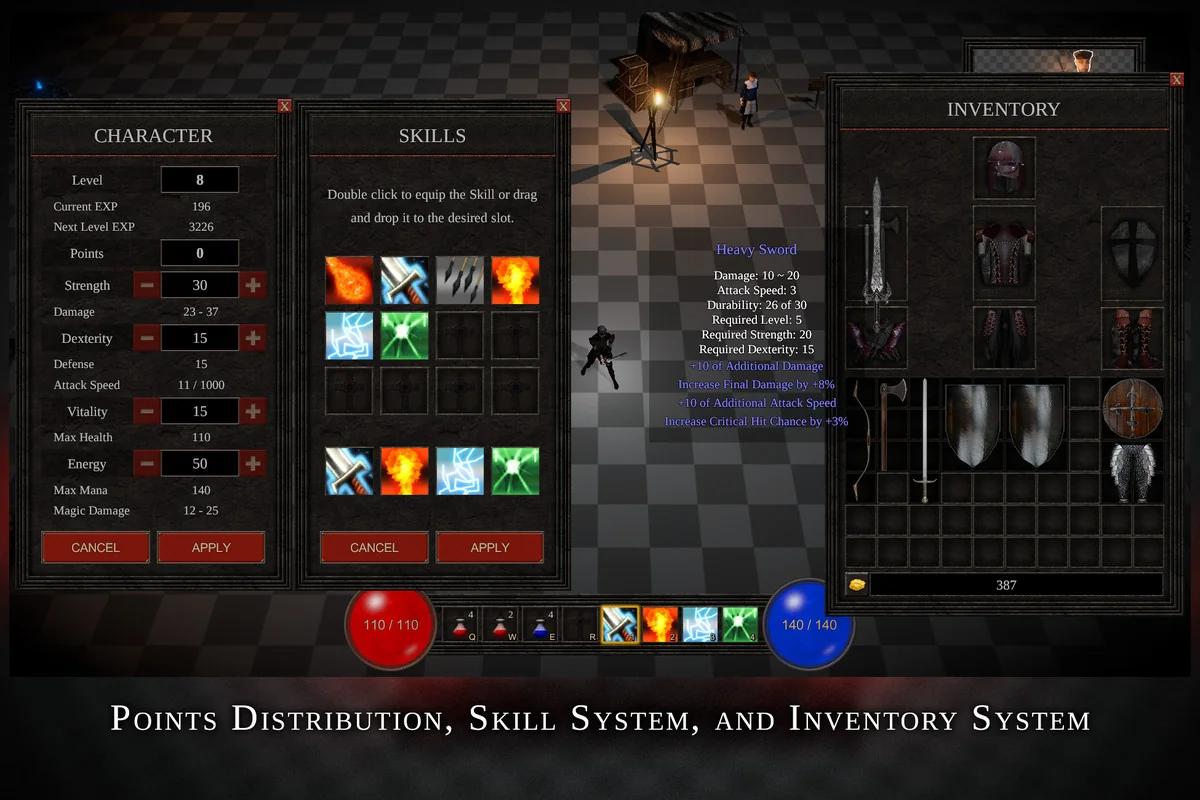
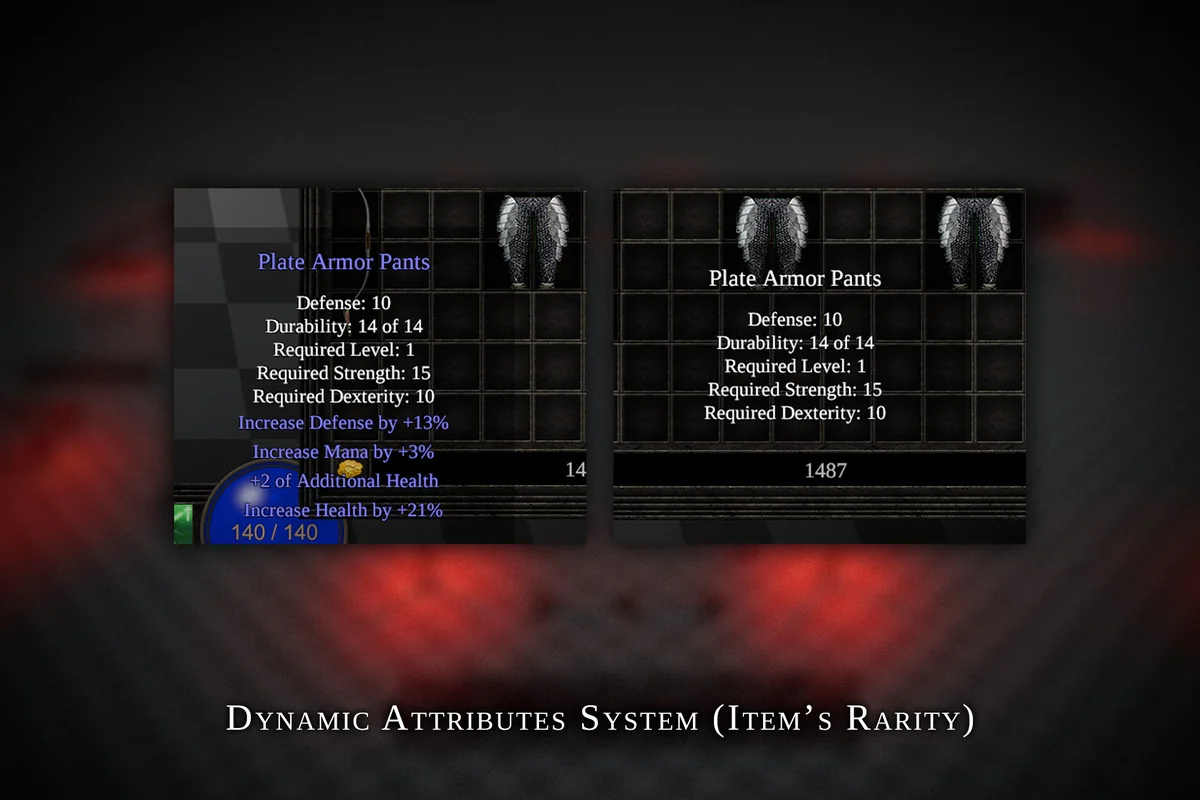
The project features a grid-based inventory system equipped with an auto-sort function to streamline item management. Items are defined by dynamic attributes and include a durability system, requiring players to monitor the condition of their equipment. The armor system is integrated with character visuals, allowing appearance changes based on the items equipped. In addition to player inventory, a stash system is included for long-term item storage.
Progression is handled through a level and experience system, where players can distribute stat points to customize their character’s capabilities. The resource also includes a variety of item types, such as consumables, collectibles, and loot drops from defeated enemies or destructible objects.
World Interaction and Navigation Tools
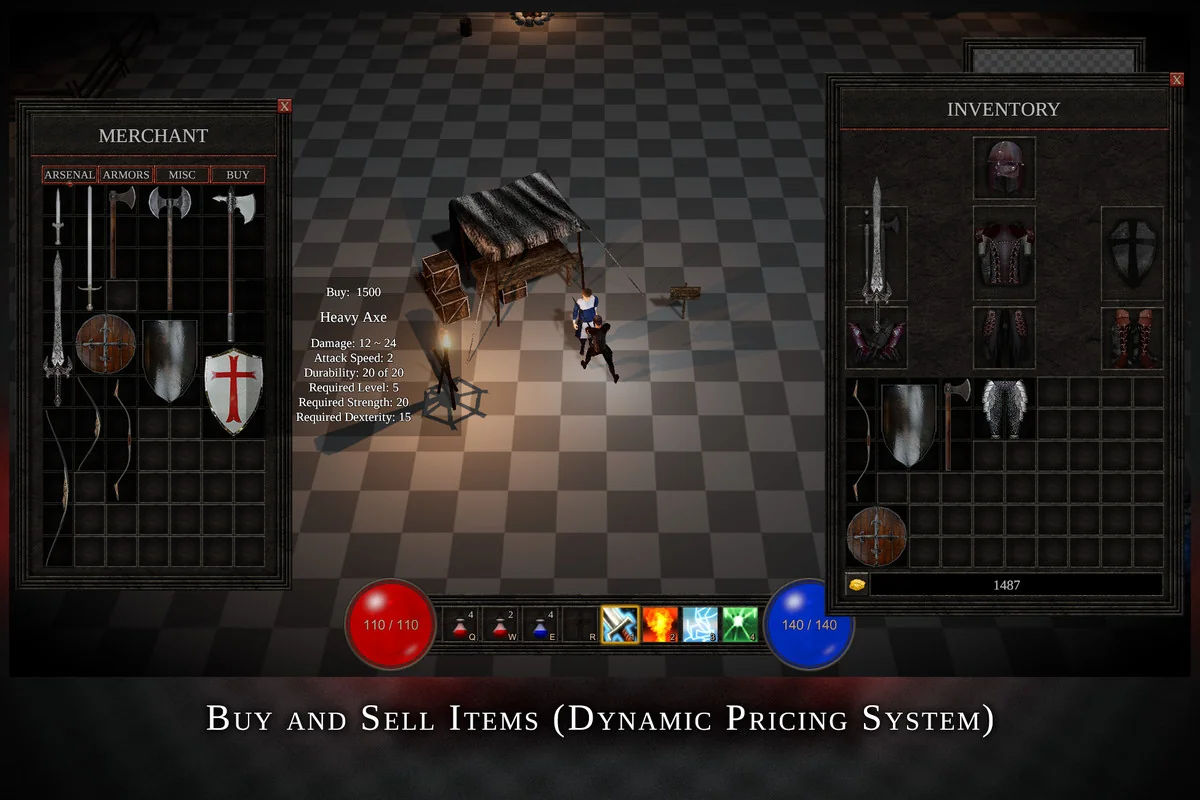
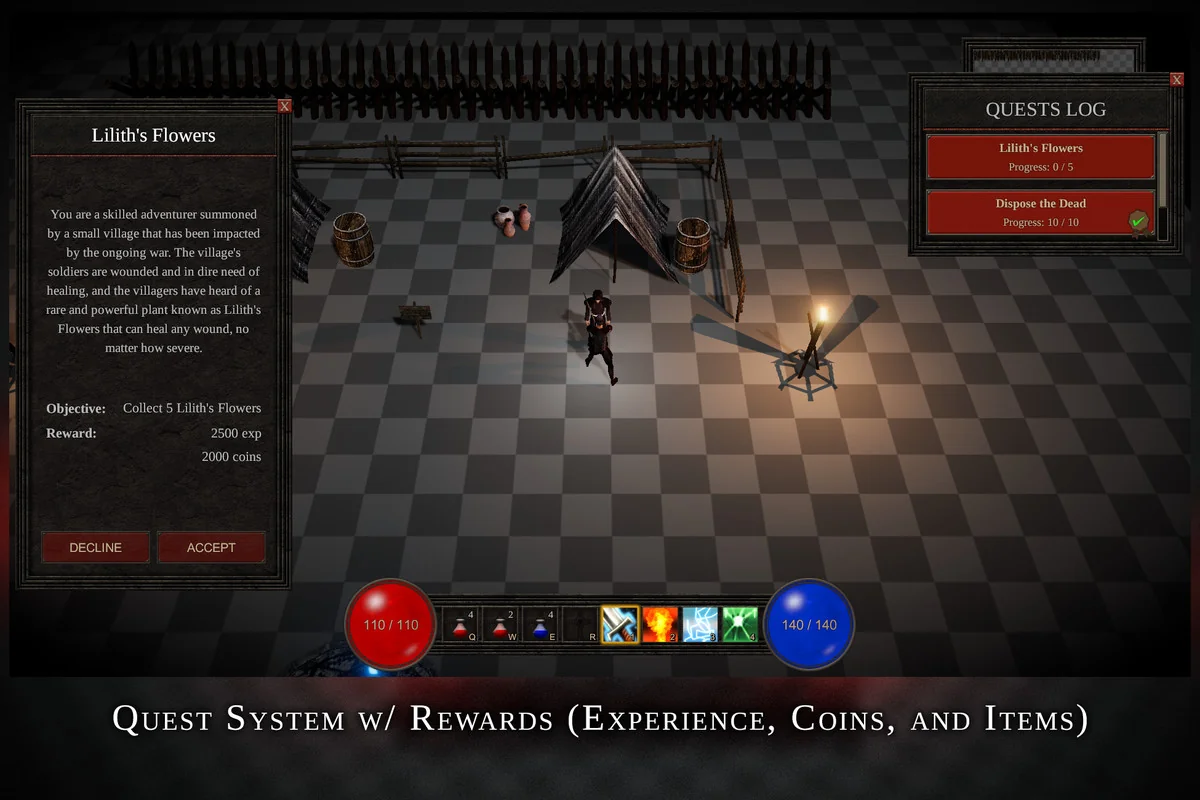
To populate the game world, the ARPG Project includes several interactive systems. A basic dialogue system facilitates NPC communication, while a quest system provides structure for objectives and rewards. Specific NPC roles are pre-configured, such as Merchants for buying and selling goods and Blacksmiths for repairing damaged equipment. Enemy AI is also included to provide immediate opposition within the environment.
Navigation is supported by a 3D camera system that allows for zooming and rotation. Recent updates have expanded the map functionality to include a pan-and-zoom map with clickable icons and a Fog of War system that hides unexplored areas. For traveling between different game areas, a waypoint system enables fast travel across scenes.
Technical Integration and Render Pipeline Compatibility
The ARPG Project is built to work across various rendering setups, including the Built-in, HDRP, and URP pipelines. It leverages several standard Unity packages to enhance the development workflow, specifically Cinemachine for camera behavior, the New Input System for control mapping, and Shader Graph for visual effects. Post-processing support is also included to refine the final output.
Save data management is highly flexible, offering three distinct methods for persisting player progress: Binary, JSON, or PlayerPrefs. Recent versions of the project have added editor-level buttons to quickly clear save data or open the save folder, simplifying the debugging process during development. The package also includes Map and Minimap systems with dynamic icons to help orient the player within complex environments.
Visual Breakdown