Integration and Humanoid Compatibility
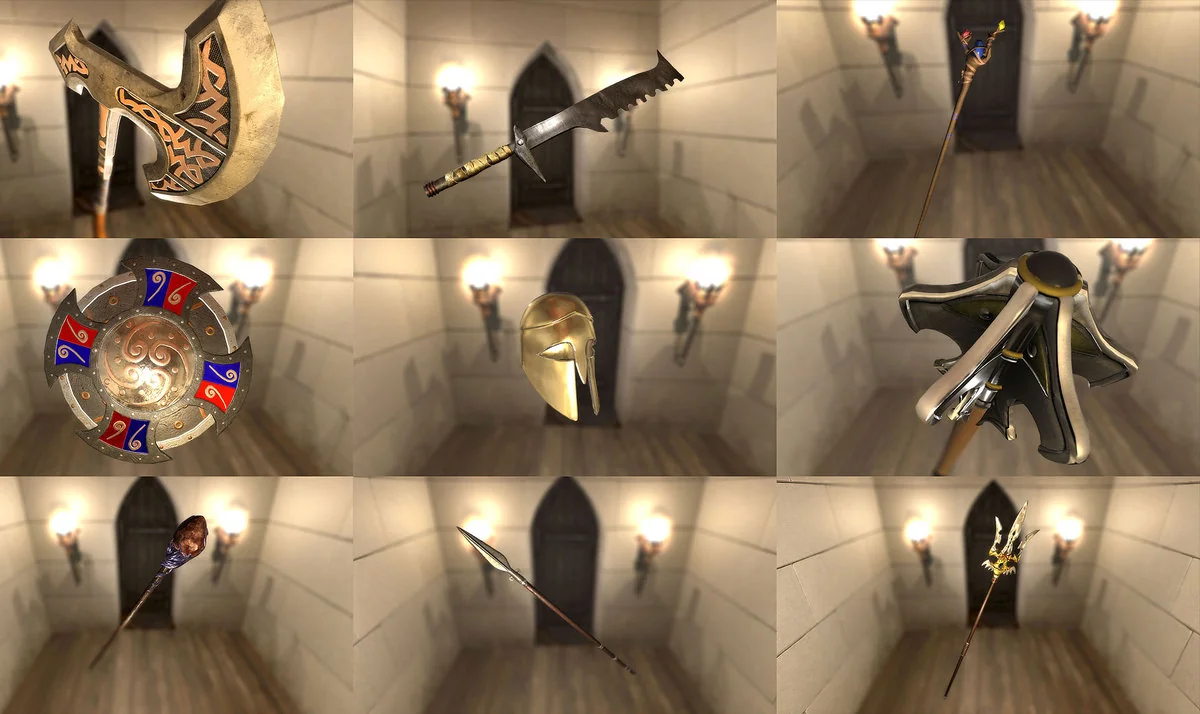
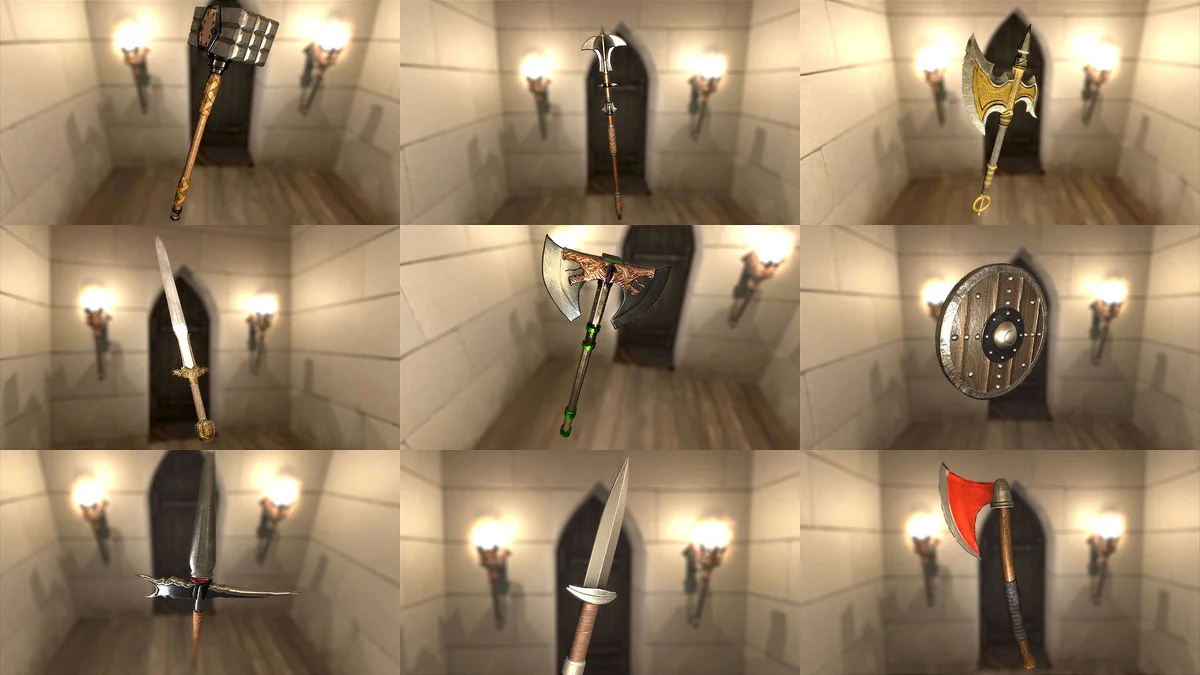
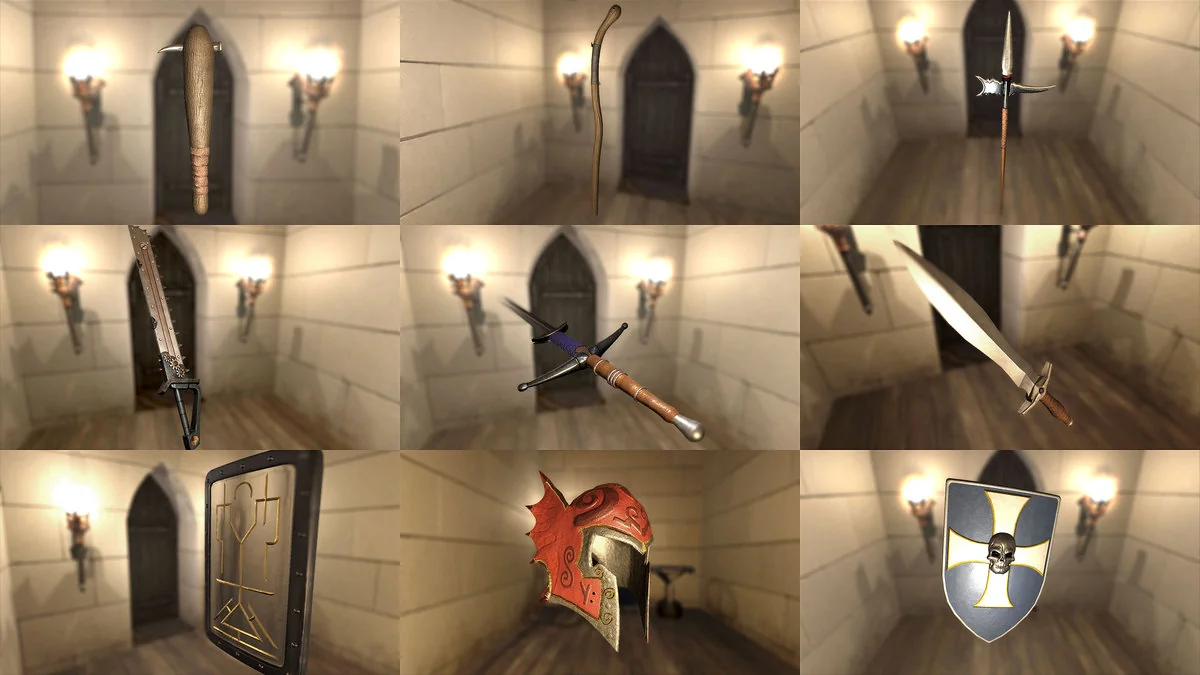
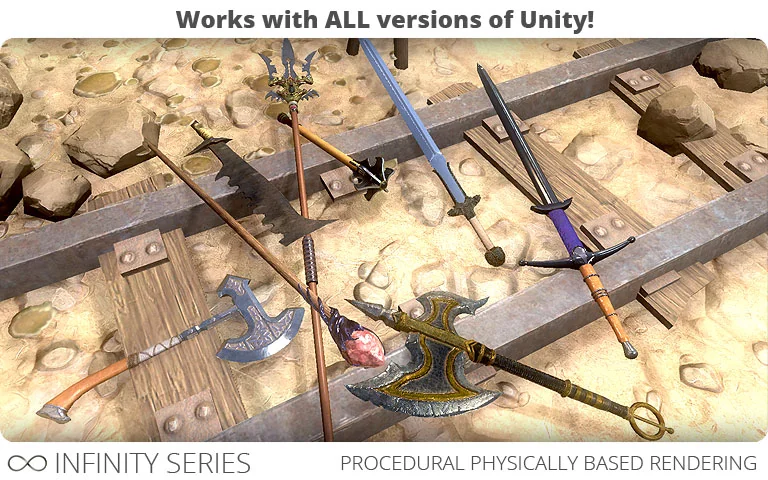
Weapons & Armor Pack #1 is designed to streamline the process of equipping characters within a fantasy RPG framework. One of the primary technical advantages of this collection is that the assets do not require custom rigging. They are built to be compatible with most humanoid models out of the box, allowing developers to attach 30 different weapons and armor pieces directly to existing character skeletons without the overhead of manual weight painting or complex rigging adjustments for every item.
This approach simplifies the workflow for developers who utilize standard humanoid rigs, ensuring that the gear follows character movement naturally. By removing the rigging requirement, the asset set functions as a modular library where items can be swapped or equipped dynamically during gameplay or within the editor environment.
Geometric Customization via Mesh Morphing
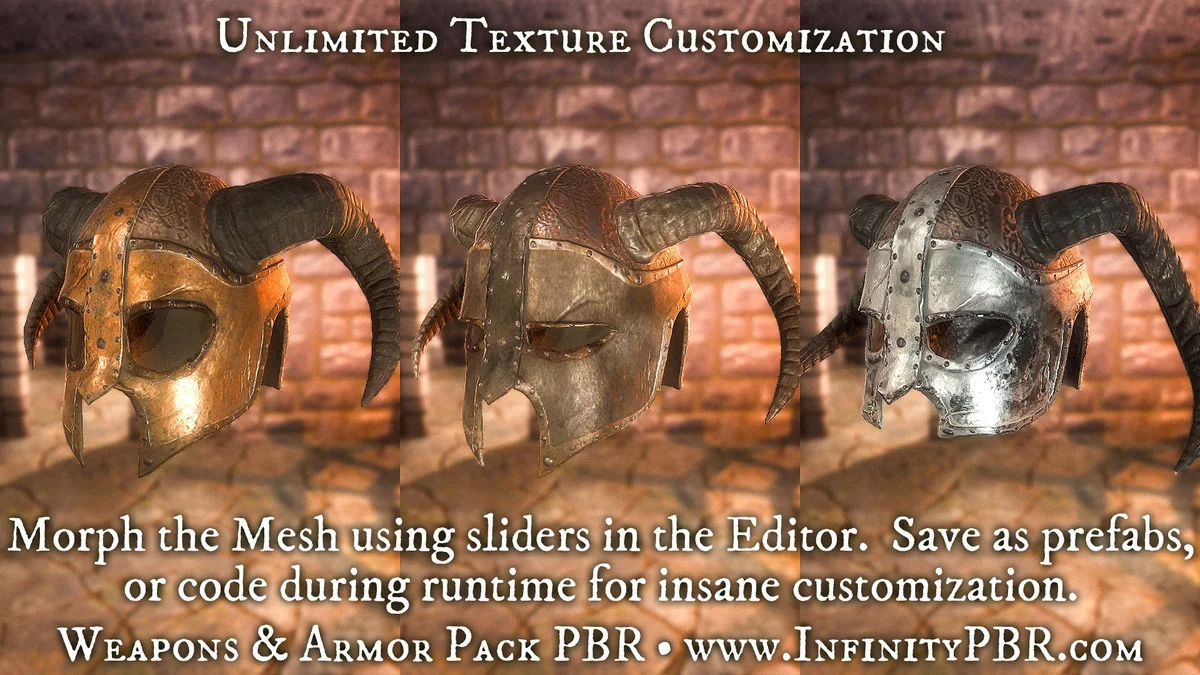
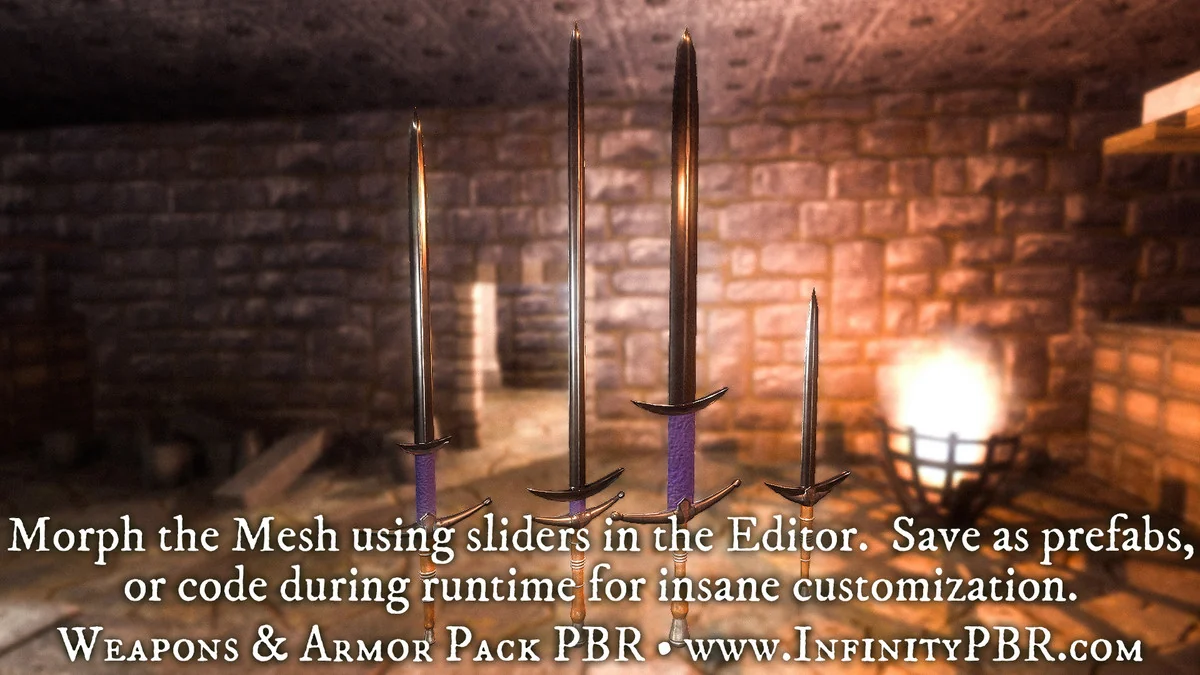
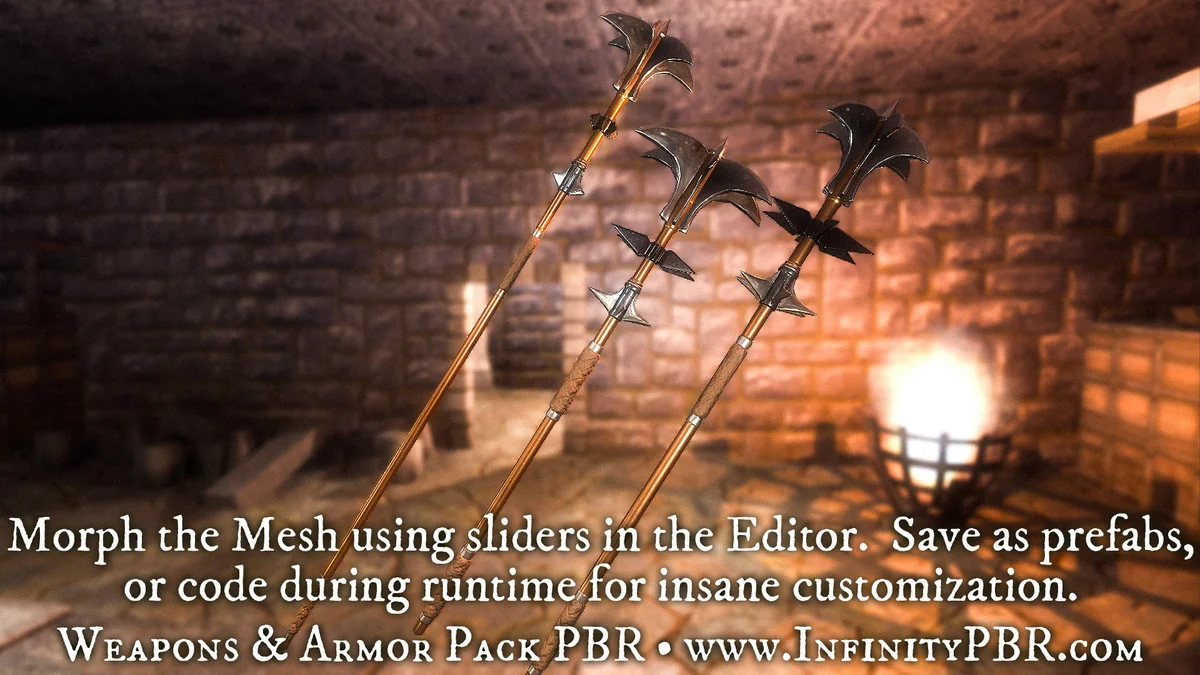
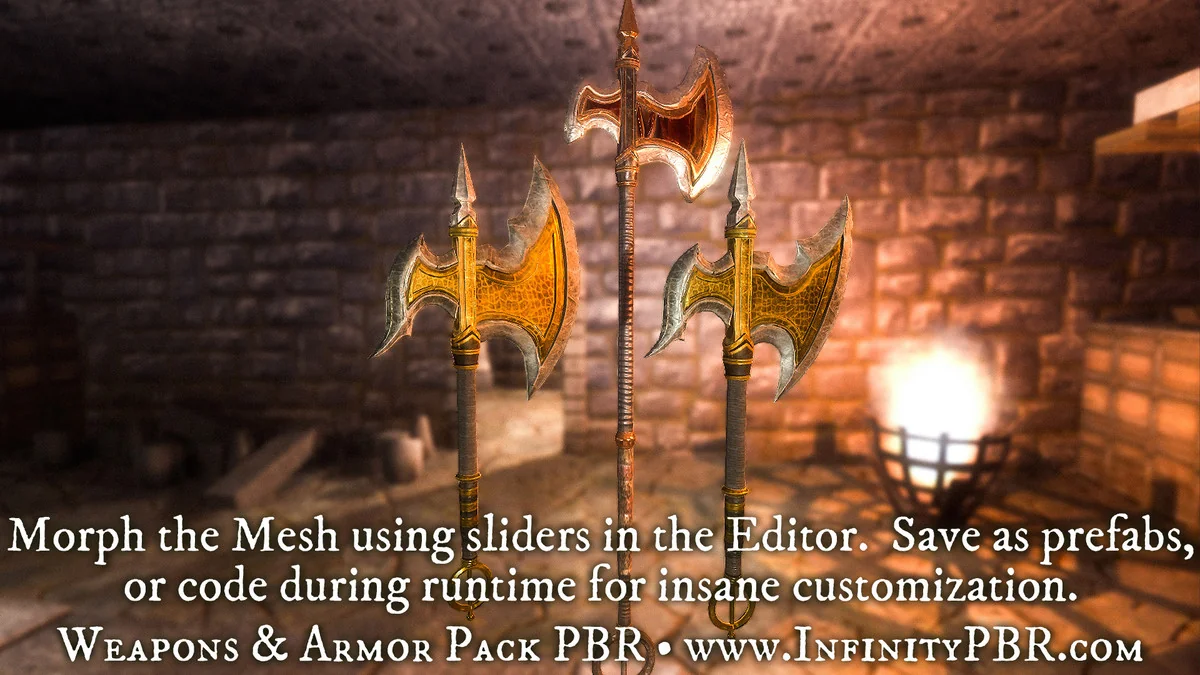
To prevent a repetitive visual style across different characters or NPC tiers, the creator has implemented mesh morphing for most of the objects in the pack. Mesh morphing allows for the physical shape of the weapons and armor to be altered without switching to an entirely different model file. This capability is useful for creating visual variety from a single base asset, such as adjusting the length of a blade, the thickness of a guard, or the proportions of an armor plate.
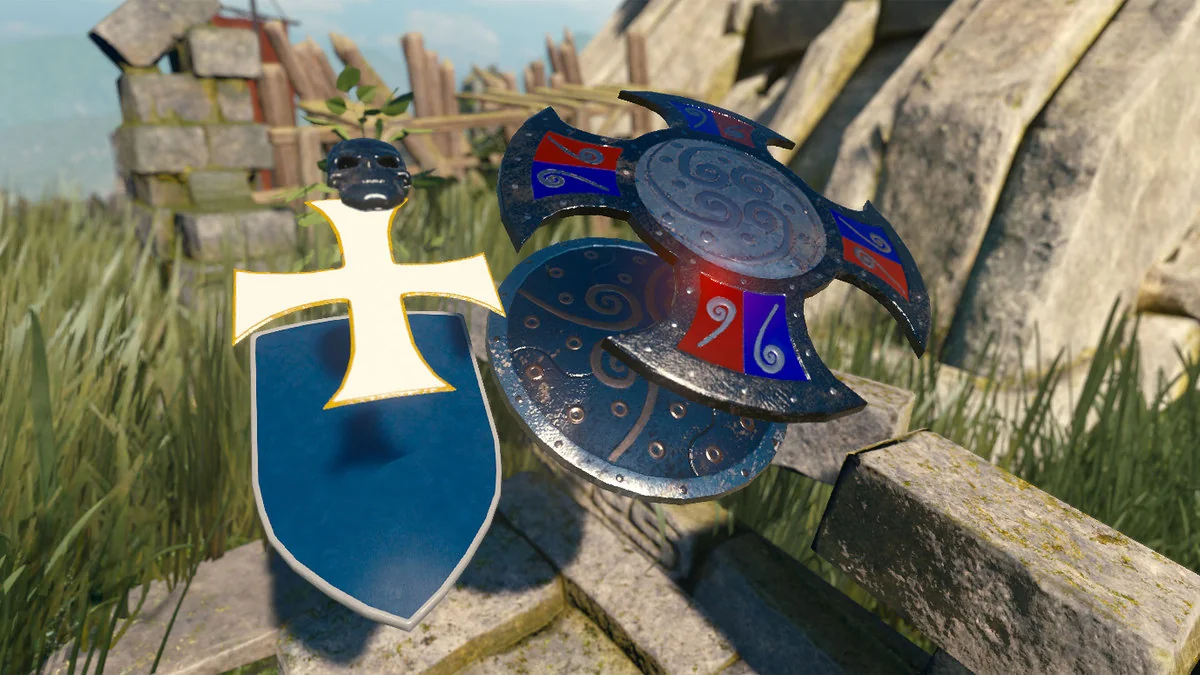
Every object in the collection comes with a default look, but the inclusion of these morph targets provides a layer of geometric flexibility. This allows developers to create a more diverse equipment pool while maintaining a consistent art style and keeping the project’s asset count optimized. The morphing system works in tandem with the physical properties of the models to ensure that the realistic aesthetic is maintained even when the shapes are modified.
Texture Authoring and Pipeline Compatibility
The pack is built on a PBR (Physically Based Rendering) workflow, emphasizing realistic textures and animations. While the assets are shipped using the Built-in Render Pipeline, the textures are compatible with legacy shaders from Unity 5 onwards. For modern projects, these materials can be upgraded to work within the Universal Render Pipeline (URP) and the High Definition Render Pipeline (HDRP).
For deeper customization beyond the provided default textures, the pack includes Substance Painter source files. These files allow developers to open the original project data and re-author textures, change material properties, or add unique wear and tear. This level of access ensures that the weapons and armor can be adjusted to fit specific lighting environments or thematic requirements that go beyond the standard PBR configurations. The source material also includes concept art, providing a reference for the original design intent and assisting in the creation of supplementary assets if needed.
Optimization and LOD Philosophy
The developer takes a specific stance on Level of Detail (LOD) management, opting not to include pre-generated LODs. This decision is based on the philosophy that poly count requirements are highly unique to individual projects and target platforms. Instead of providing generic LODs that may not meet the specific performance budgets of a mobile game or a high-end PC title, the creator recommends using external tools to generate LODs that fit the exact needs of the user’s project.
Specifically, the use of tools like Mantis Online is suggested for creating project-specific LOD transitions. This allows developers to maintain control over the geometric density of the 30 included weapons and armor pieces, ensuring that the high-quality source meshes are decimated appropriately for the specific performance constraints of their game world.
Technical Resources and Project Support
The asset collection is supported by a series of shared scripts and bonus files that extend its utility across different development environments. Included in the supplementary data are Unreal project files, which facilitate the use of these assets outside of the primary Unity-shipped format. The developer maintains a library of scripts to assist with implementation, ensuring that the mesh morphing and texture customization systems remain functional as development tools evolve.
By providing both the final game-ready assets and the original source files (Substance Painter and Concept Art), the pack supports a workflow that ranges from simple drag-and-drop implementation to deep, technical customization. The focus remains on providing versatile, high-quality resources that feel grounded and realistic within a fantasy setting.
Project Screenshots