Character Design and Modular Wardrobe
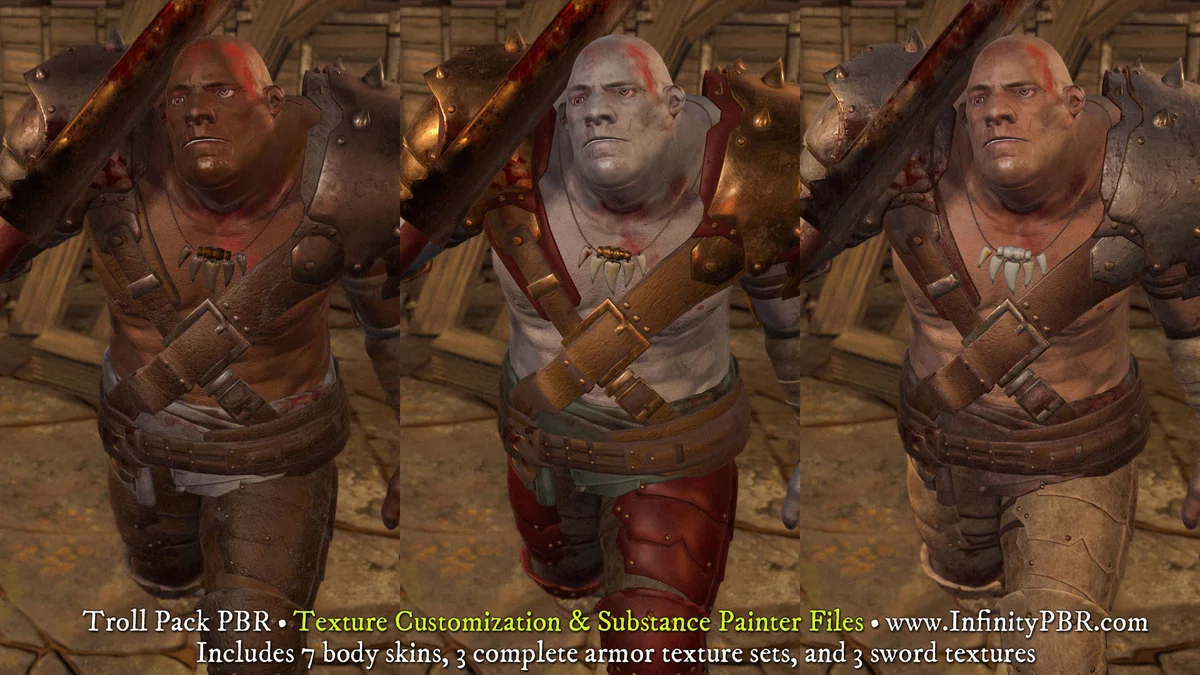
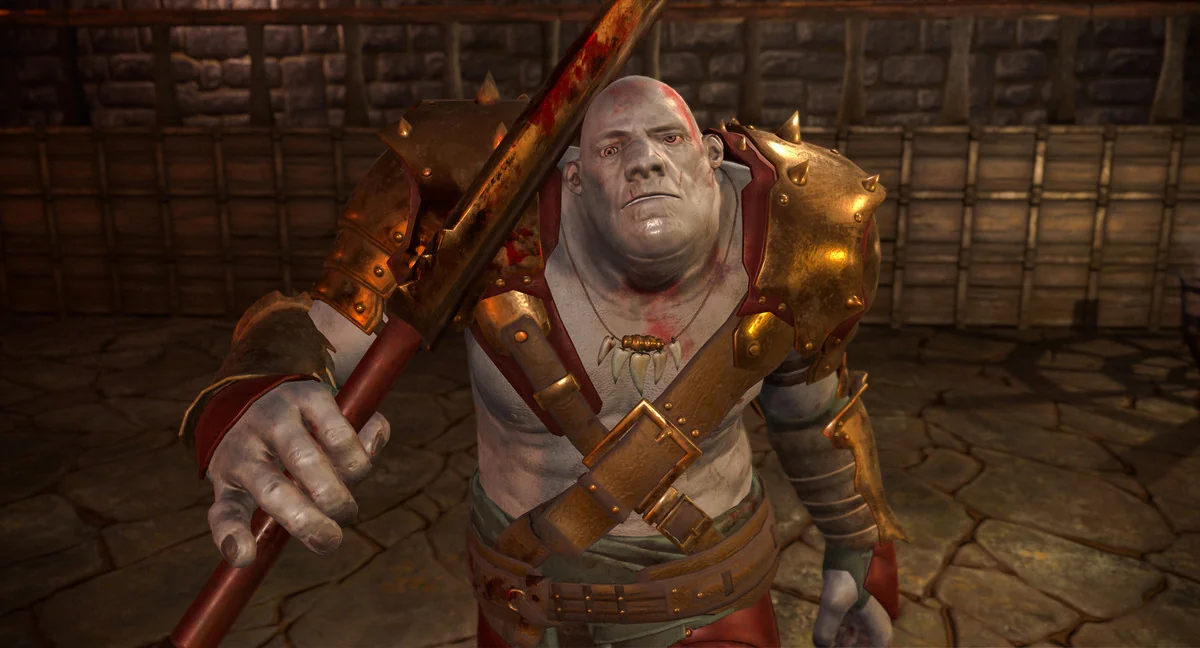
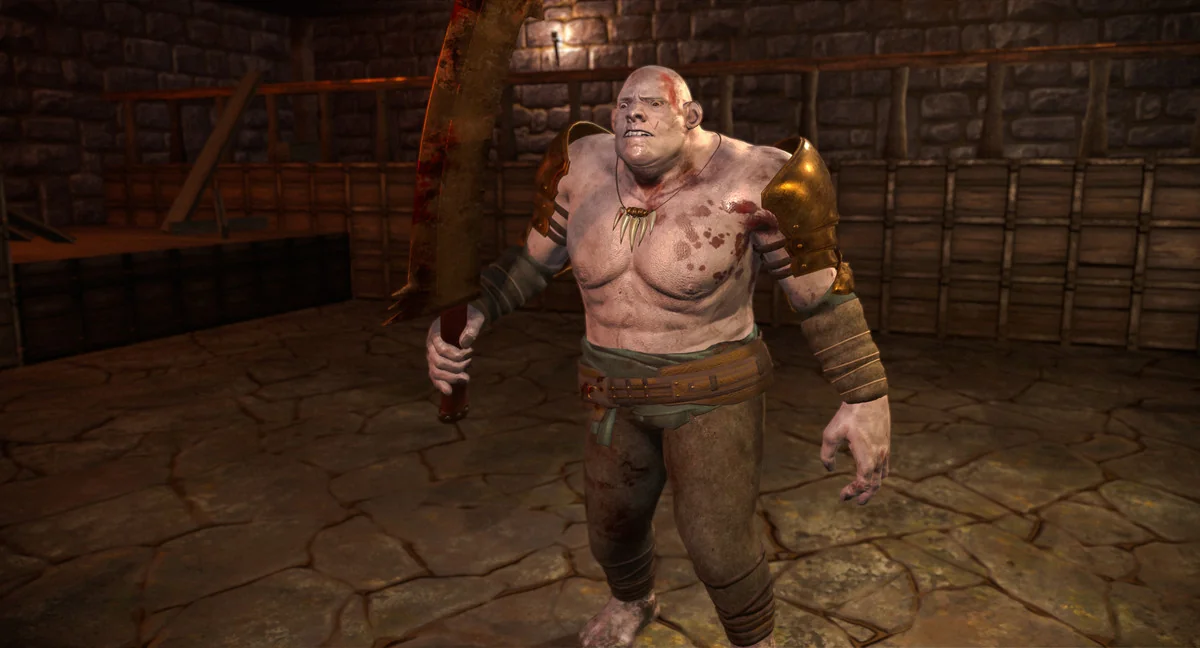
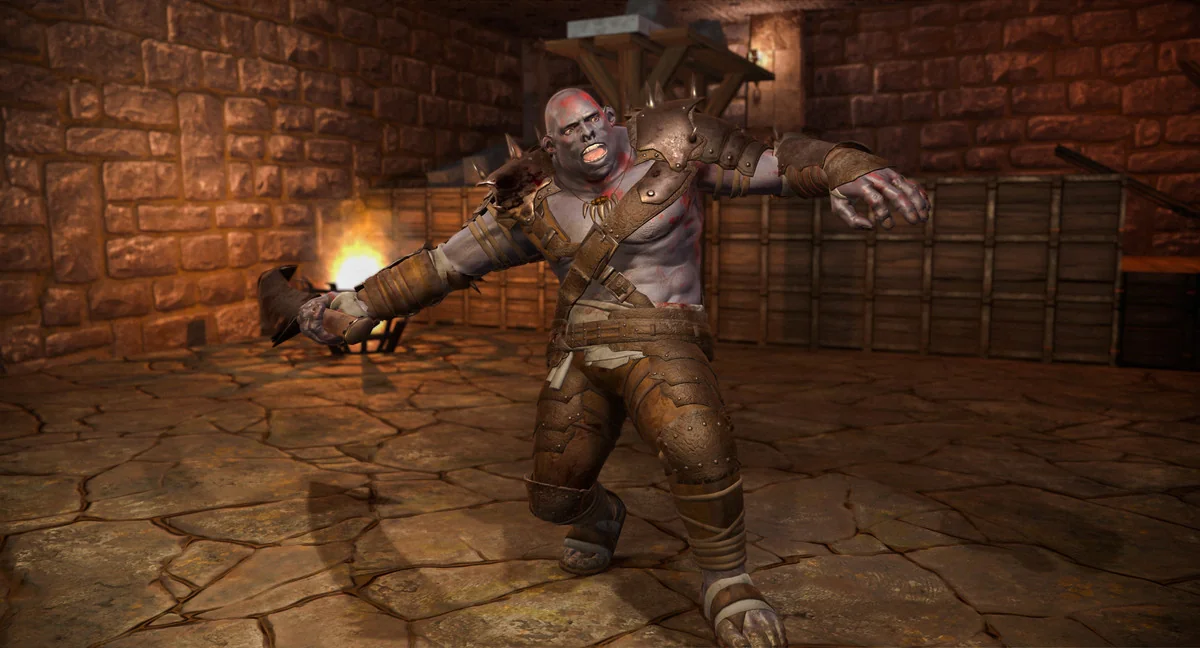
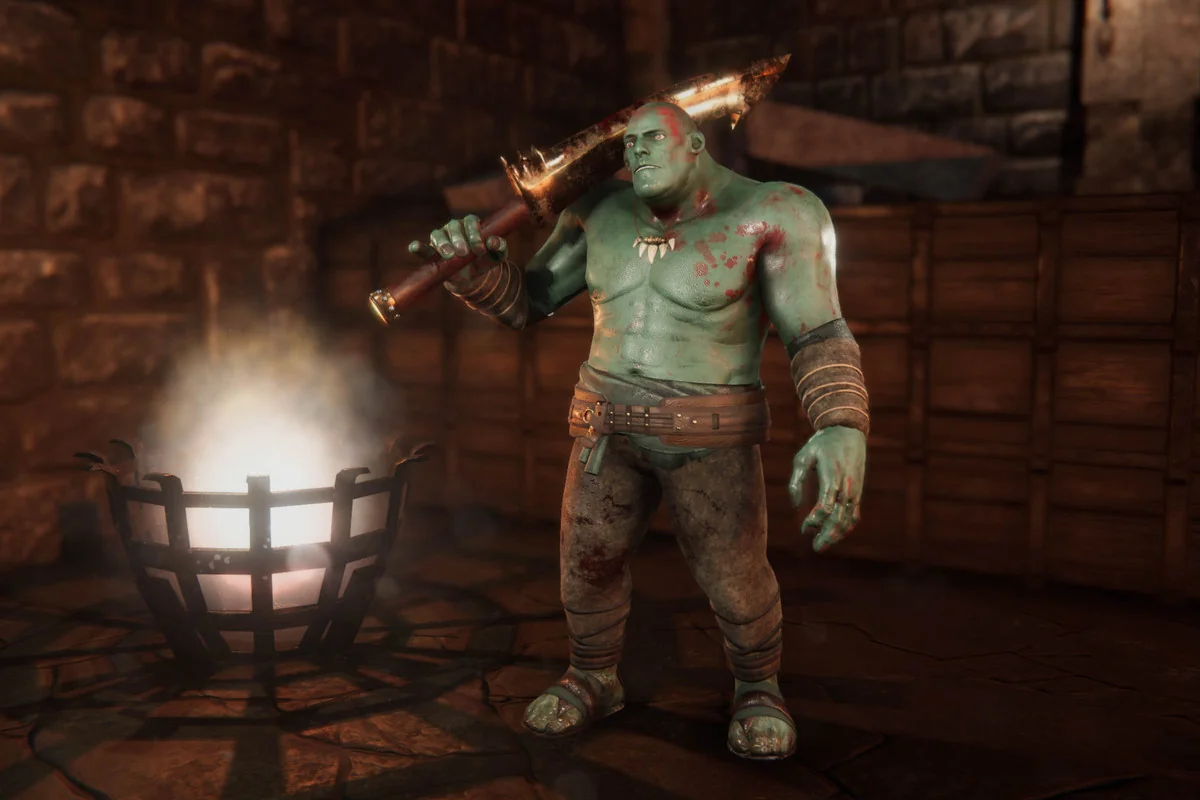
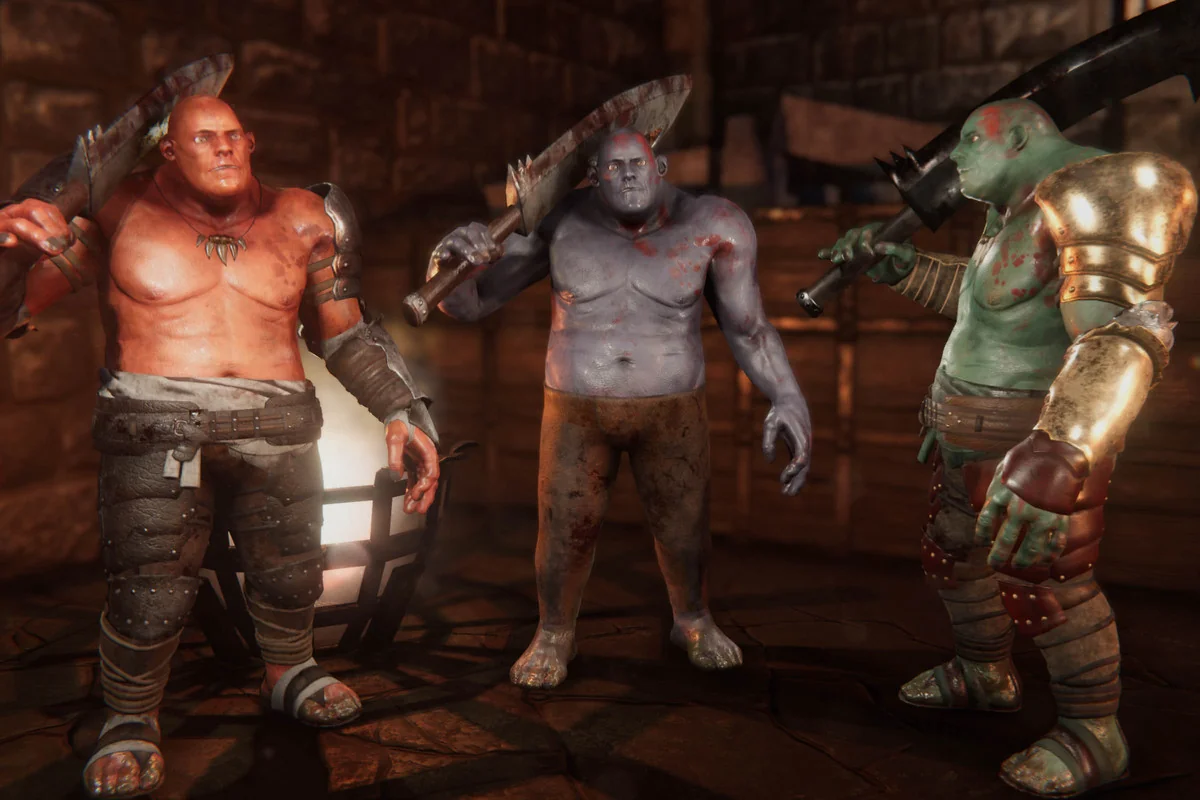
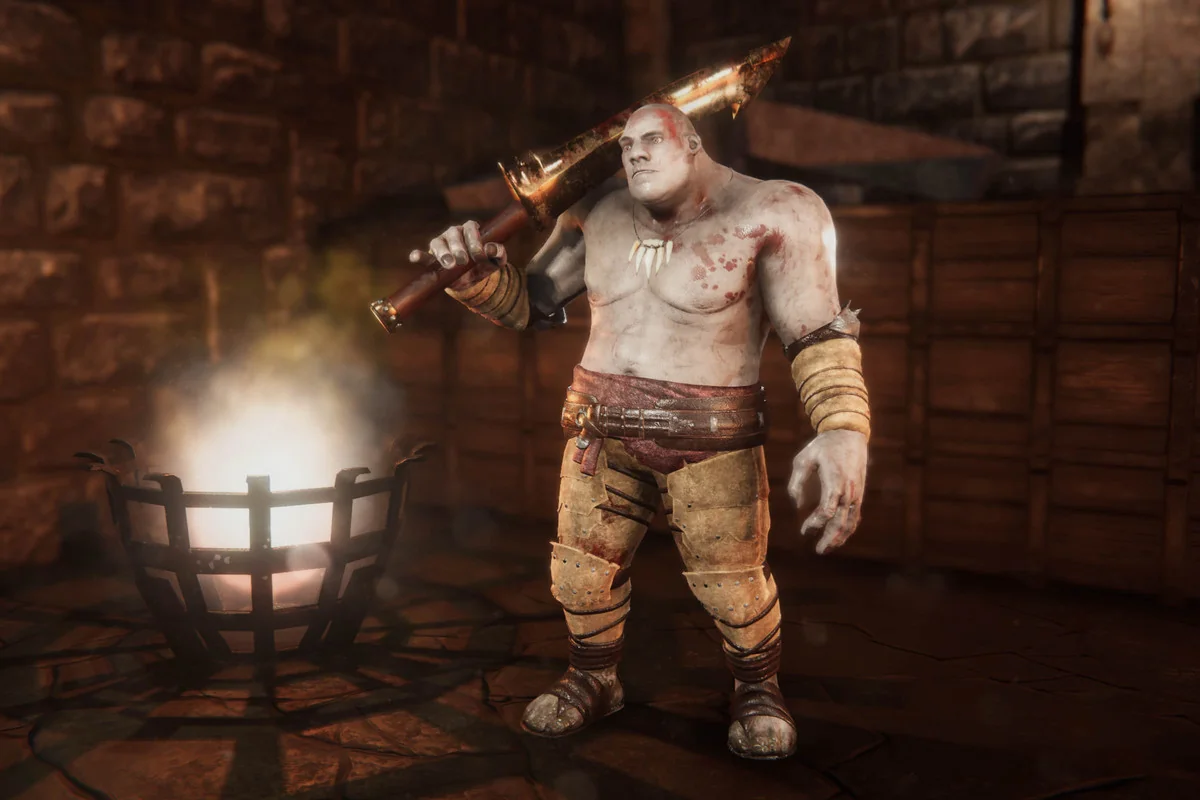
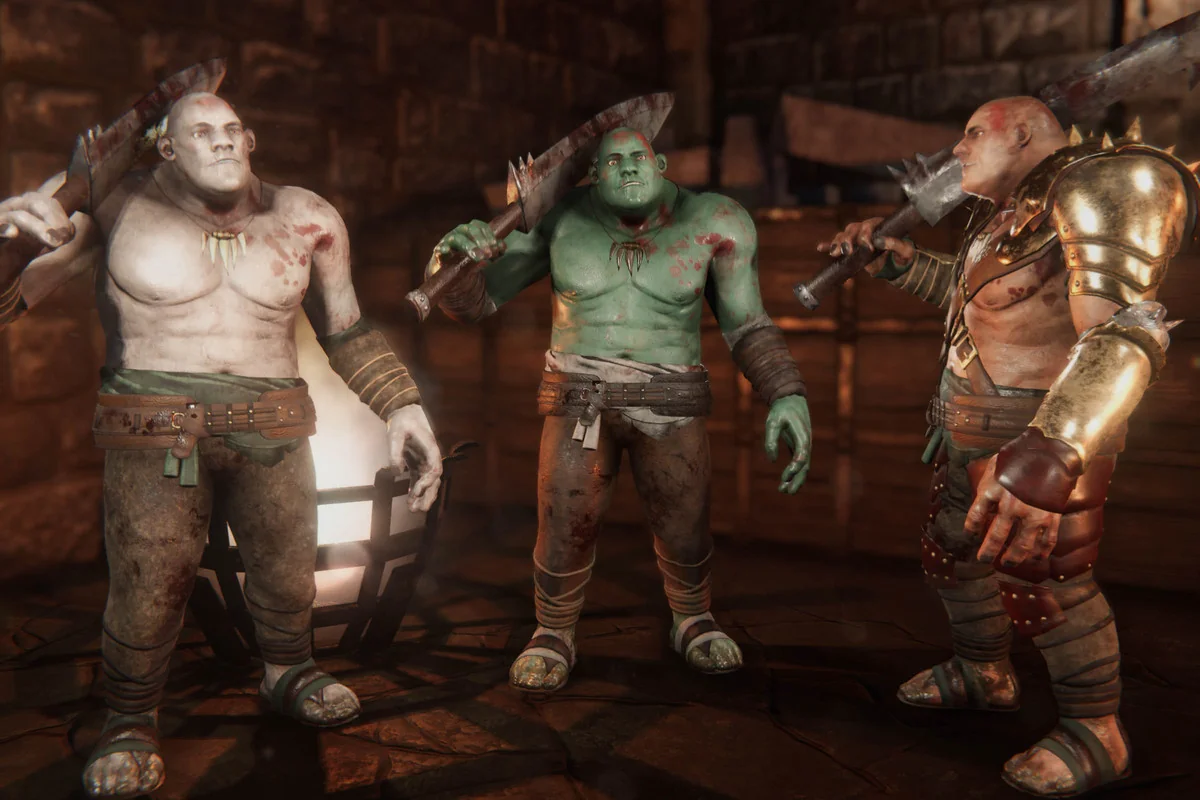
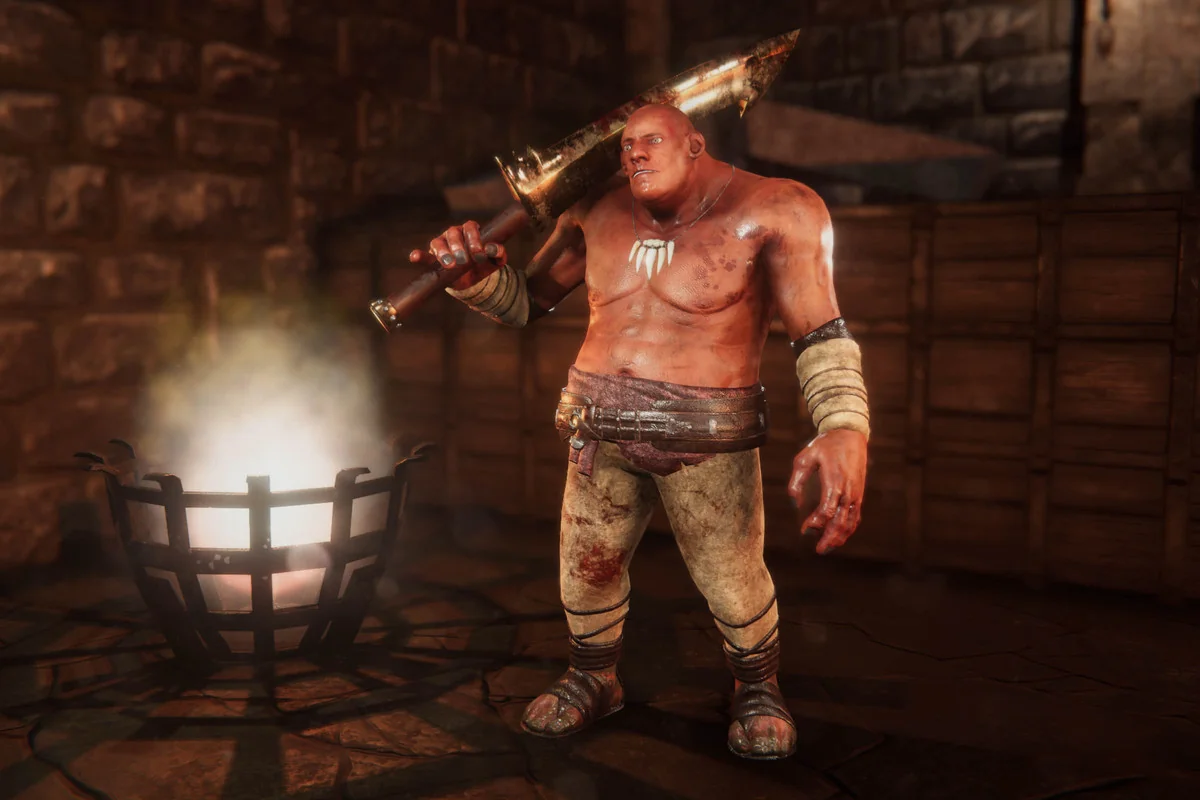
Designed as a large, bumbling creature for fantasy environments, this troll character is built around a modular wardrobe system. Developers can toggle specific pieces of clothing and equipment on or off, allowing for distinct variations of the same base model. This modularity is supported by three complete sets of armor and three different materials for the character’s sword, providing the flexibility to create various tiers of enemies or NPCs within a single game world.
Texture Customization and Substance Painter Integration
The asset includes seven distinct body textures, allowing for immediate visual diversity. To further support specific art directions, the package provides Substance Painter files for the body, armor, and weaponry. This inclusion allows artists to modify the base textures, adjust wear and tear, or change color palettes to ensure the character fits the unique lighting and environmental aesthetics of their project. This workflow bridges the gap between using a pre-made asset and maintaining a bespoke visual style.
Mesh Morphing for Unique Instances
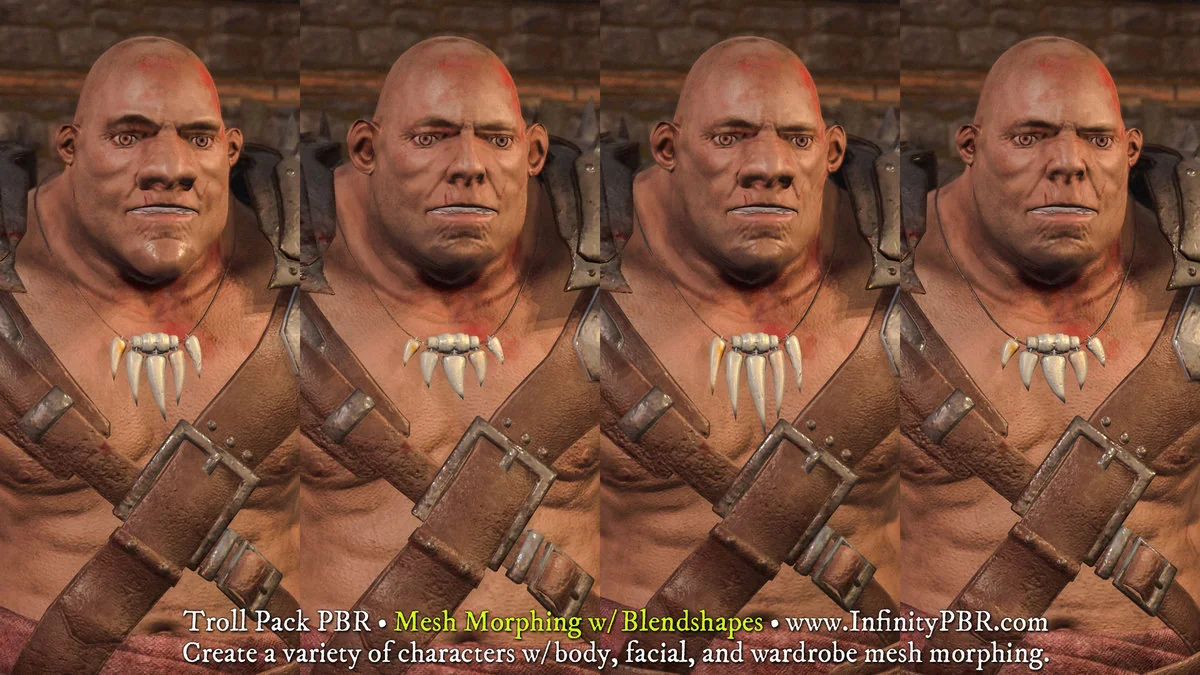
To prevent the “clone” effect often seen in RPGs with repetitive enemy types, the character utilizes blend shapes for mesh morphing. These shapes allow the developer to alter the physical proportions and features of the troll, effectively randomizing the mesh. When combined with the modular wardrobe and multiple texture sets, these morphing capabilities allow for a high degree of variation, making it possible to populate an entire camp or dungeon with trolls that each possess a unique physical profile.
Technical Pipeline and Render Compatibility
The package is shipped for the Built-in Render Pipeline but is designed to be compatible with both the Universal Render Pipeline (URP) and the High Definition Render Pipeline (HDRP). The textures are built to work with legacy shaders from Unity 5 onwards and can be upgraded to modern scriptable render pipelines as needed. While the asset focuses on high-quality textures and realistic animations, it does not include pre-generated Level of Detail (LOD) meshes. The creator suggests using external tools like Mantis Online to generate LODs that specifically match the performance requirements and poly-count targets of a given platform.
Workflow Integration and Animation
The asset is designed with a focus on realism in both its textures and its animation set. Included in the bonus files are the animation rig and an Unreal Project, indicating that while the primary focus is Unity, the character’s skeletal structure and animation data are accessible for cross-platform workflows. The developer emphasizes a philosophy of versatility, providing the raw source files—such as the Substance Painter data—to ensure the asset functions as a production-ready resource rather than a static, unchangeable model.
Practical Implementation
In a live production environment, this troll functions as a highly adaptable creature base. Instead of serving as a single-purpose enemy, the combination of mesh morphing and modular equipment allows it to fill multiple roles, from a basic unarmored grunt to a heavily armored boss. By utilizing the provided Substance Painter files, developers can bake their own PBR maps to match specific environmental lighting, ensuring the character remains grounded in the game’s world regardless of the chosen render pipeline.
Project Screenshots