Visualizing Media with Niagara
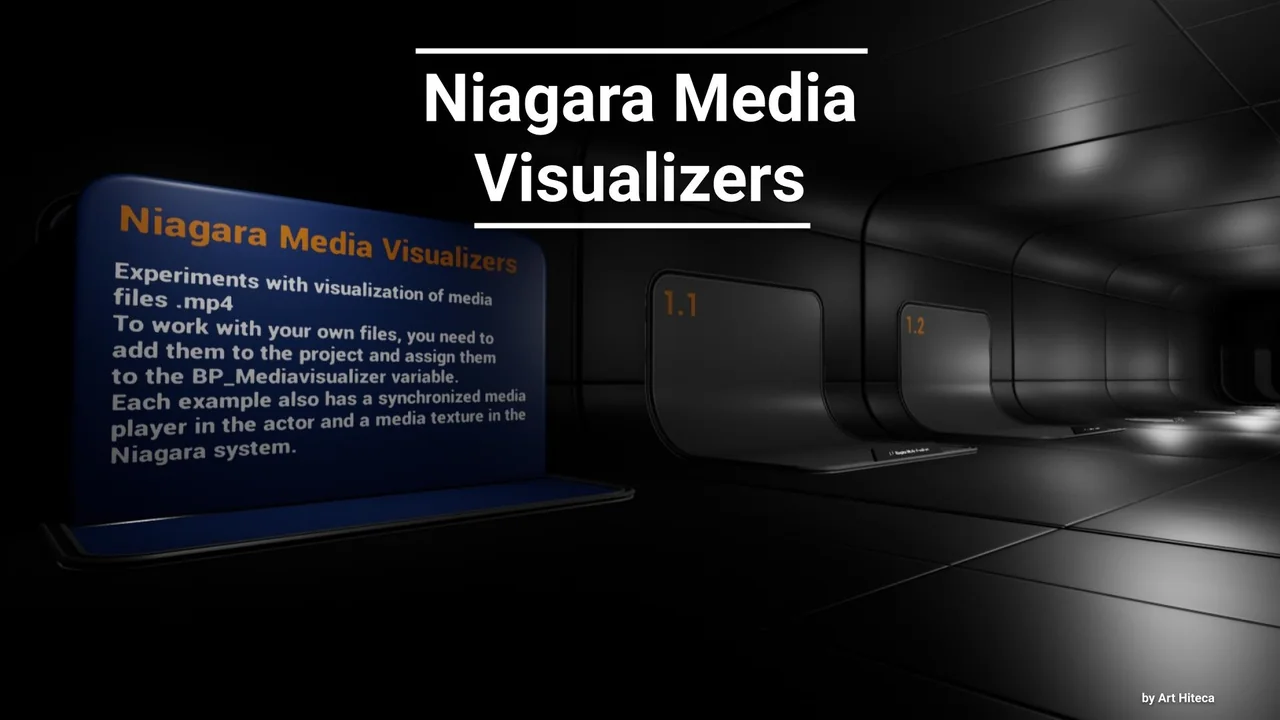
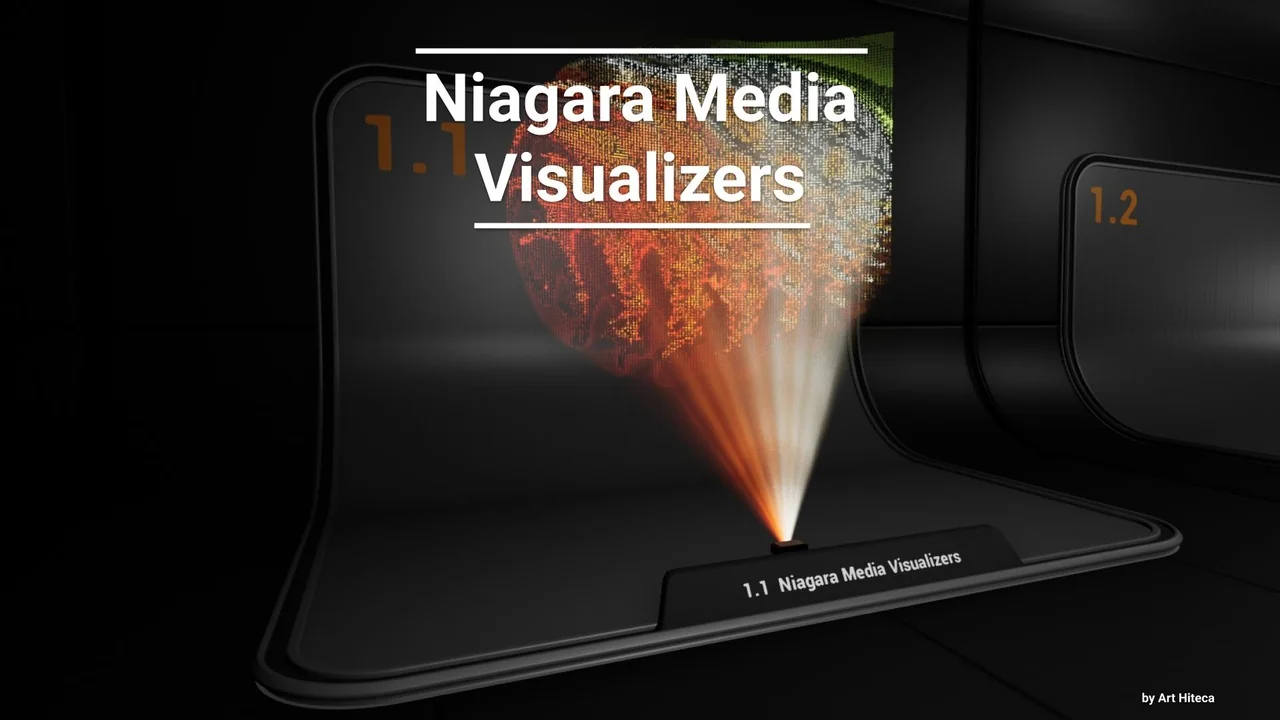
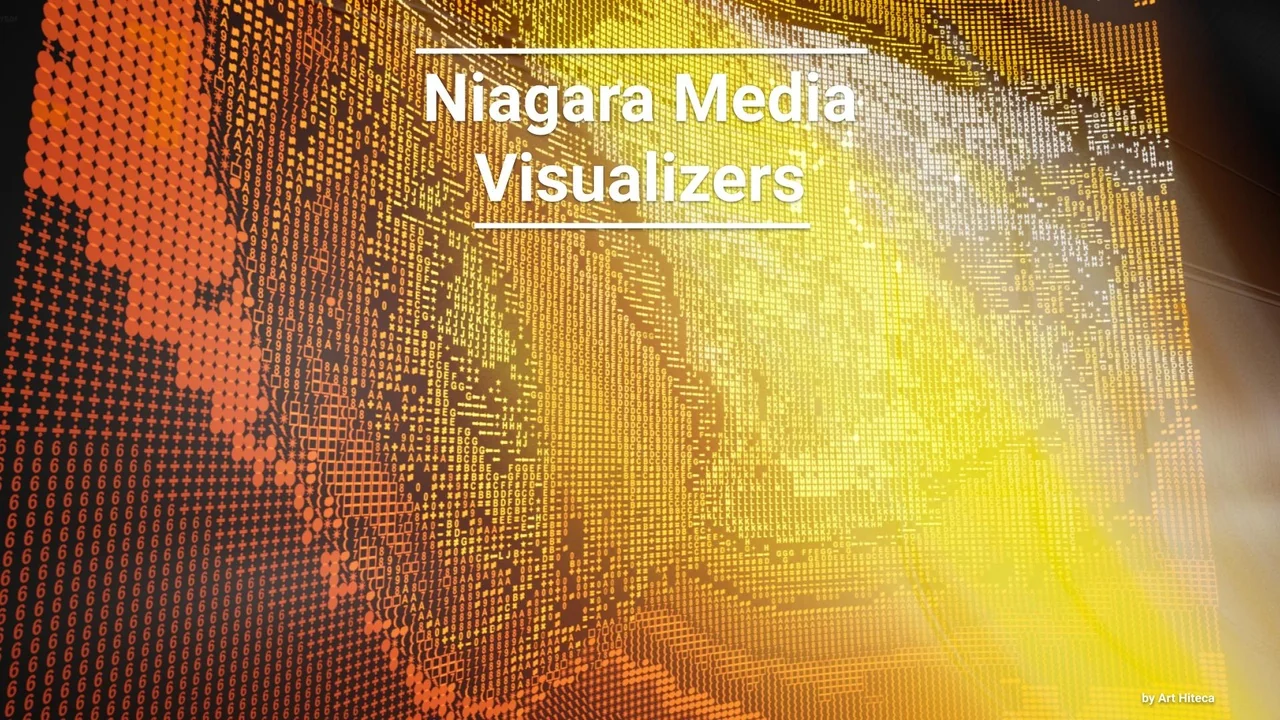
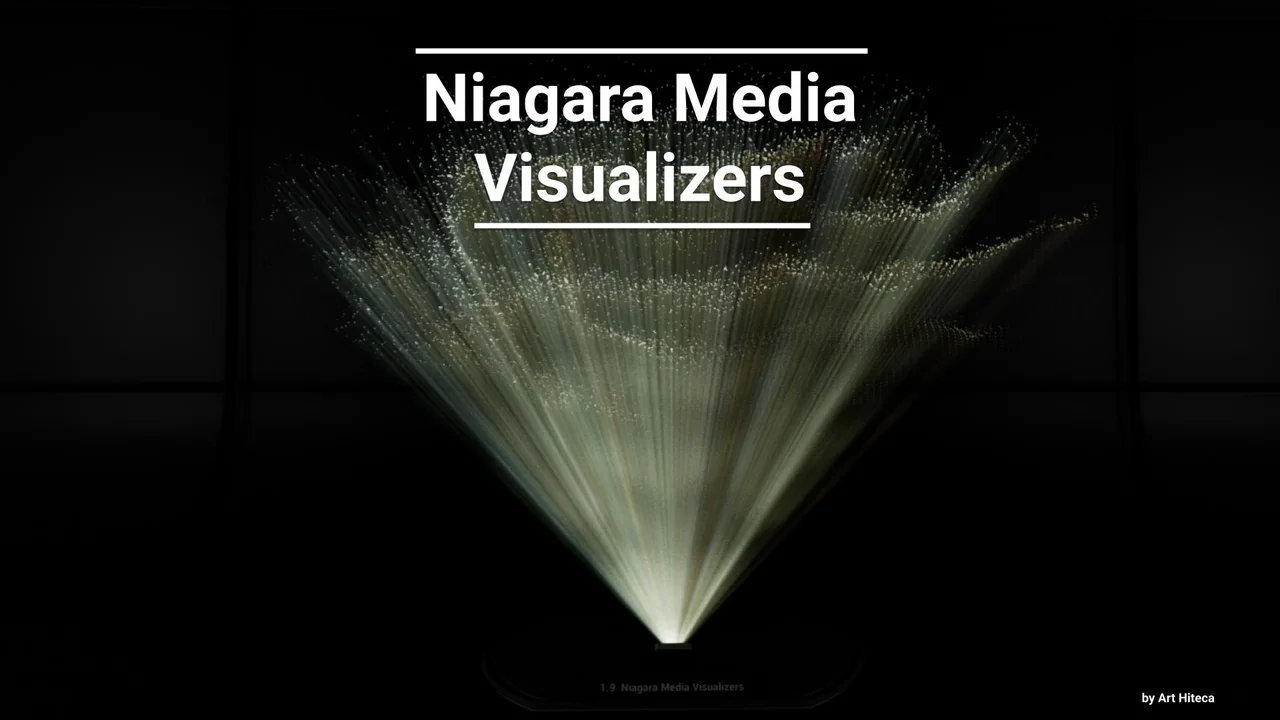
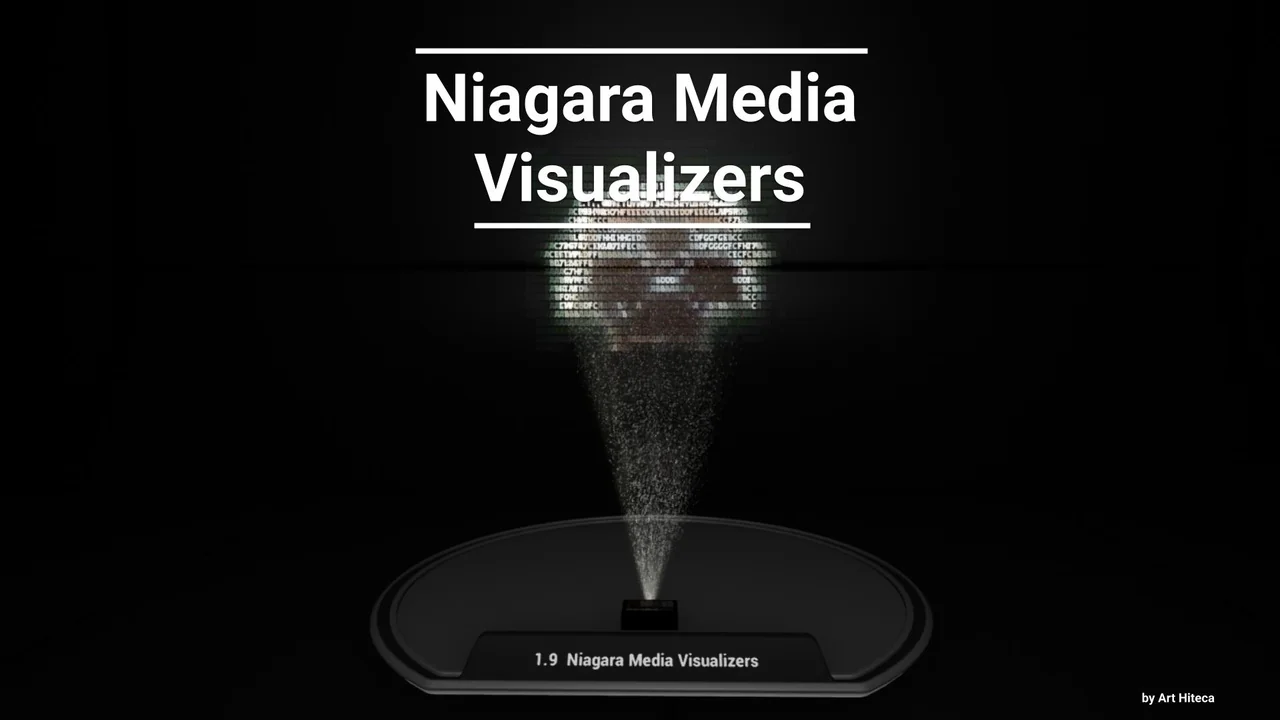
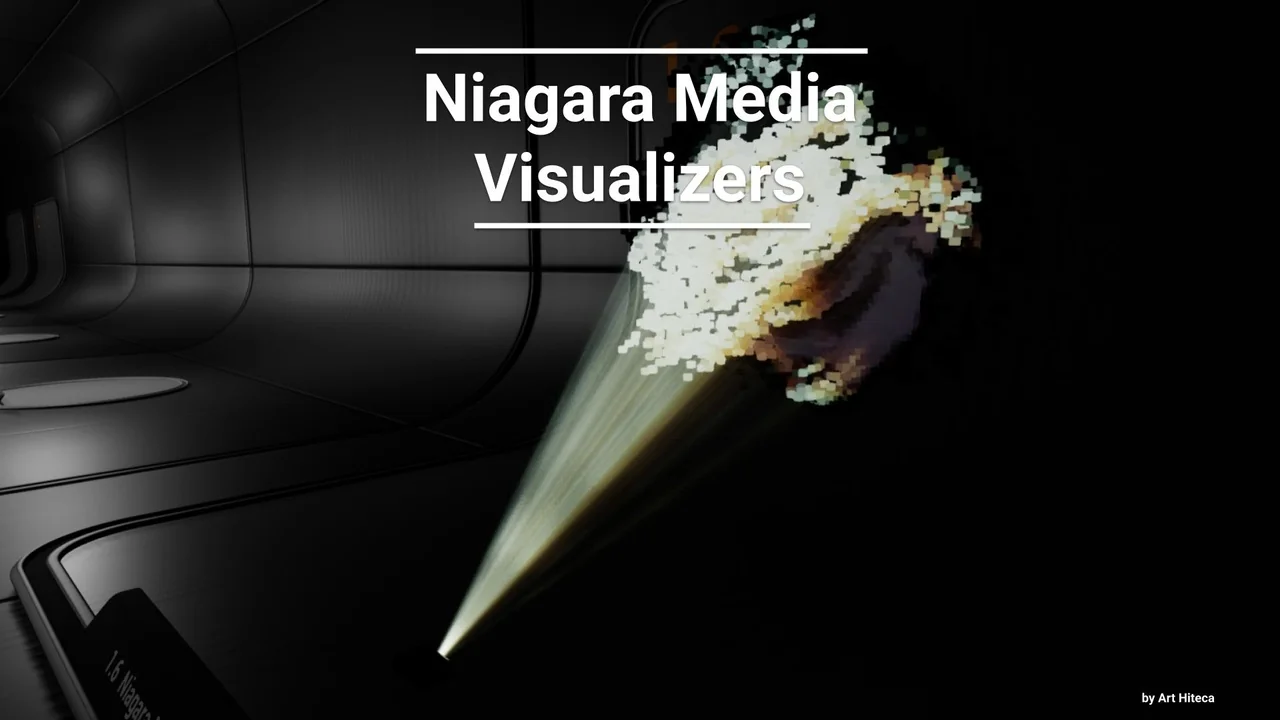
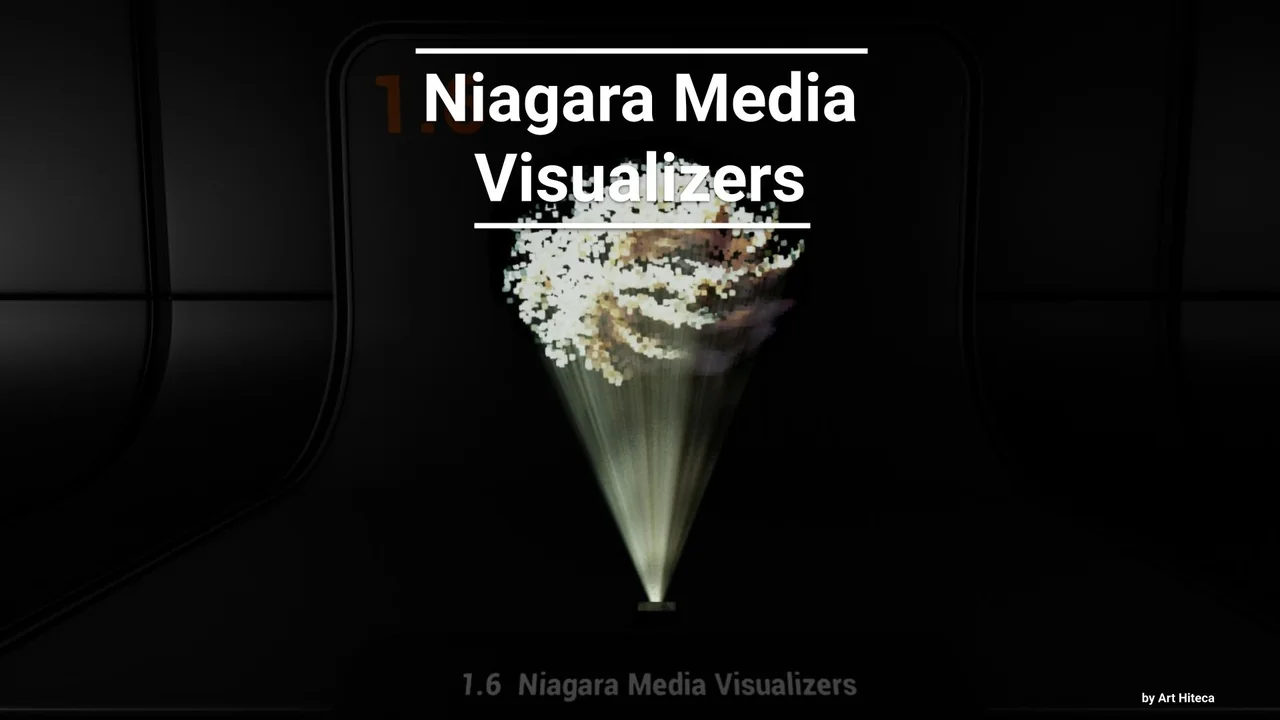
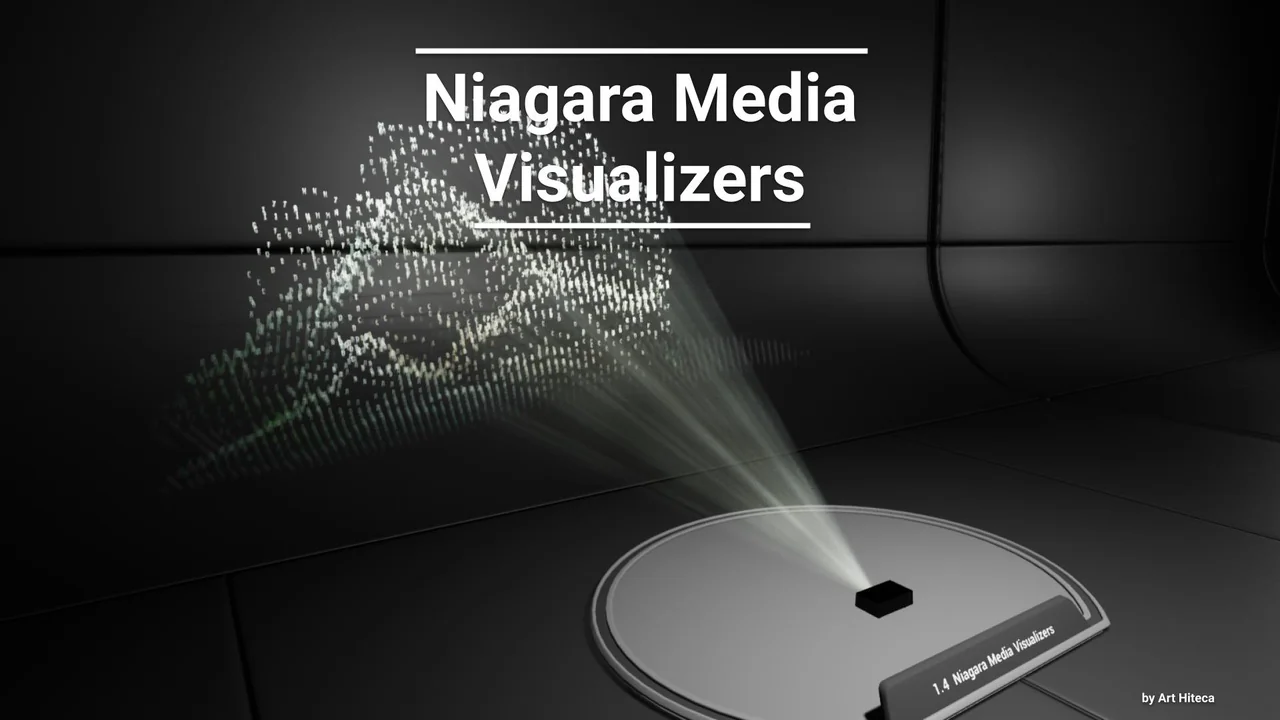
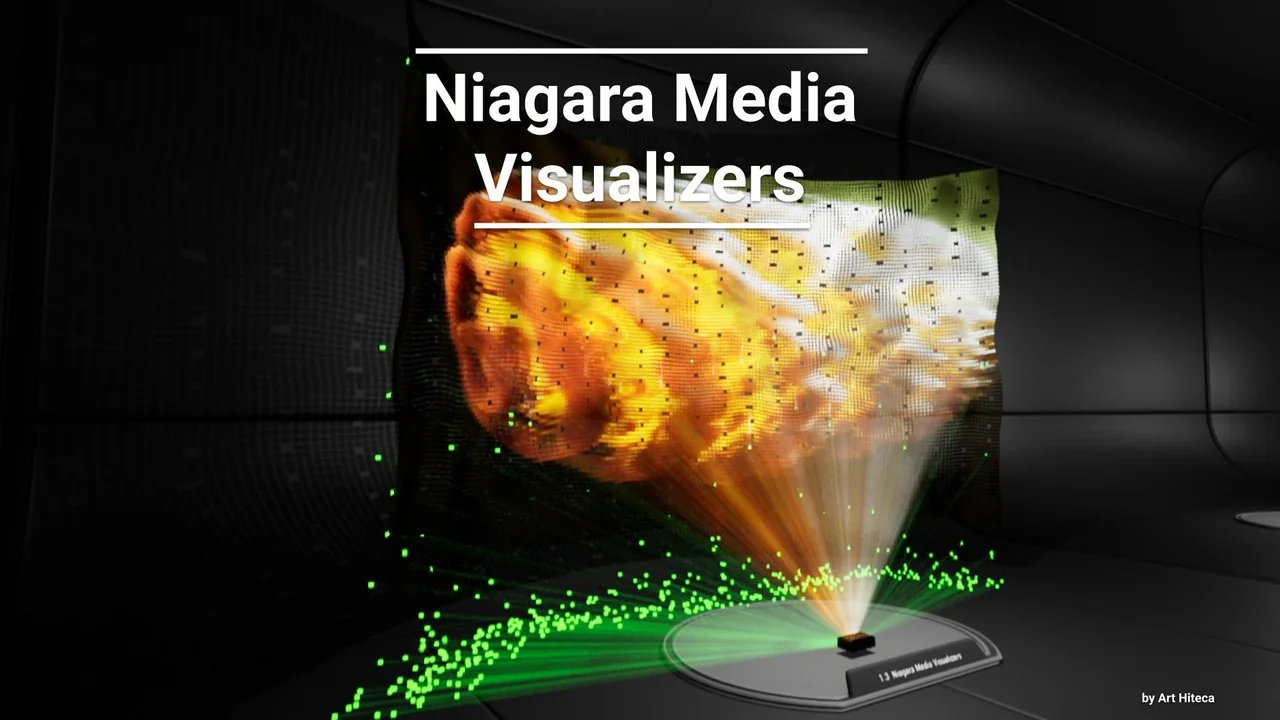
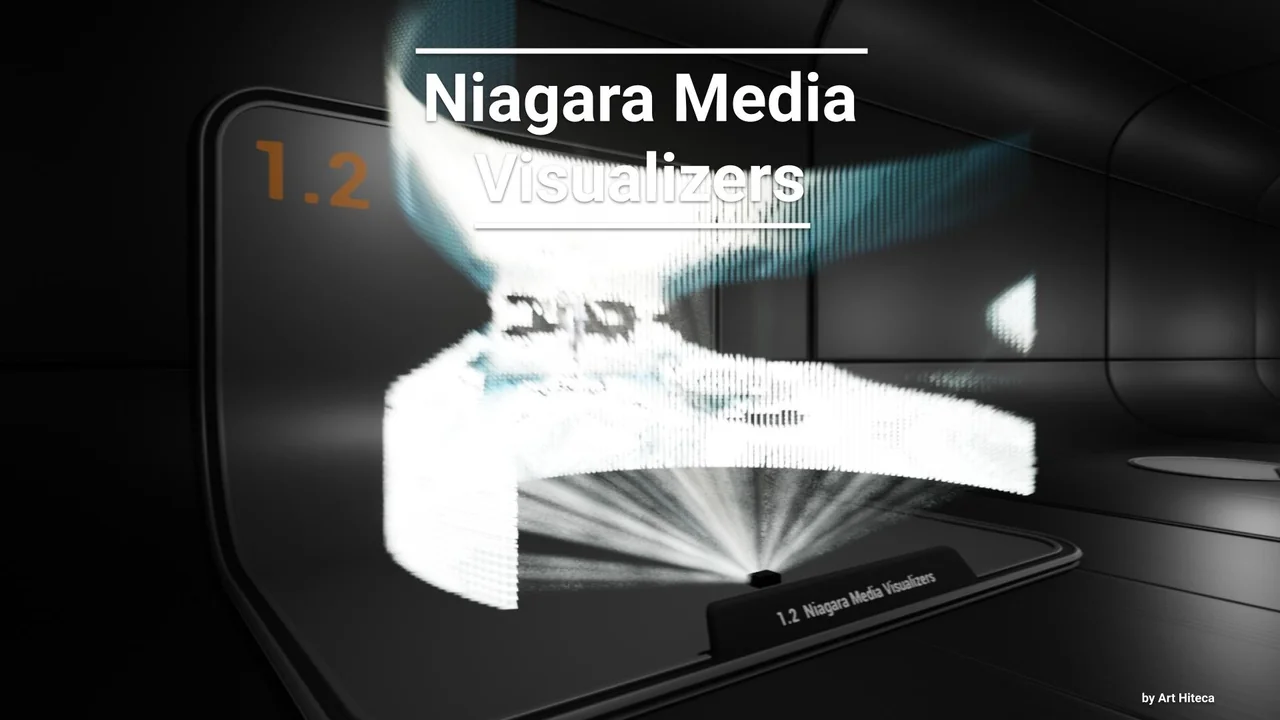
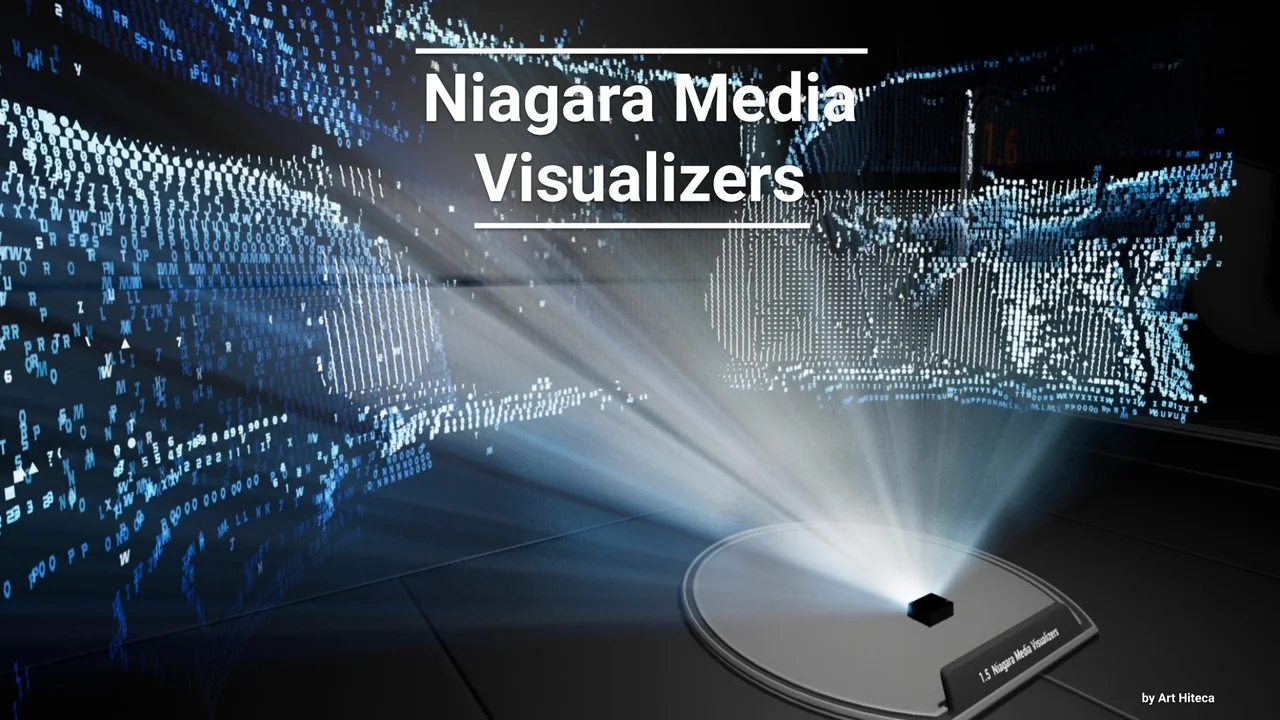
Niagara Media Visualizers offer a specialized approach to video experimentation within a real-time environment. The developer created this tool specifically to explore how .mp4 files can be interpreted through particle systems. Furthermore, these experiments demonstrate the potential for integrating standard video formats into complex visual effects workflows. By focusing on the interaction between media and particles, the system provides a unique way to view video data.
Streamlined Workflow and Integration
To begin using your own content, you must first import your files into your project. Subsequently, you need to assign these files to the BP_Mediavisualizer variable. This specific variable acts as the primary bridge for your custom media integration. Consequently, the system can then process the video data and apply it to the visualizers. This workflow ensures that users can swap content quickly and efficiently.
The use of Blueprints makes the process accessible for various project types. Therefore, the developer has simplified the technical hurdles of media assignment. Users only need to focus on the variable selection to change the visual output. Moreover, this structure allows for consistent results across different experimental setups.
Technical Synchronization and Components
The architecture of the Niagara Media Visualizers relies on several key synchronized components. Each example provided in the project includes a dedicated media player located within the actor. Additionally, a media texture is integrated directly into the Niagara system. This specific setup ensures that the visual output remains perfectly timed with the video playback. Therefore, the particle behavior and the video frames stay in sync during the entire visualization process.
The synchronization between the actor and the particle system is crucial for high-quality results. Because the media player and the texture work together, the visual data is passed seamlessly to Niagara. This interaction allows for the detailed representation of .mp4 content in a 3D space. Furthermore, the creator has designed these examples to serve as functional templates for further experimentation.
Conclusion
In conclusion, Niagara Media Visualizers provide a robust framework for media-based particle effects. The creator has focused on a clear path from file import to real-time visualization. By utilizing synchronized textures and media players, the system offers a reliable experimental environment. Consequently, it serves as a valuable resource for those looking to bridge the gap between video media and Niagara VFX.
Screenshots & Gallery