Introduction to Multiplayer TPS Basic
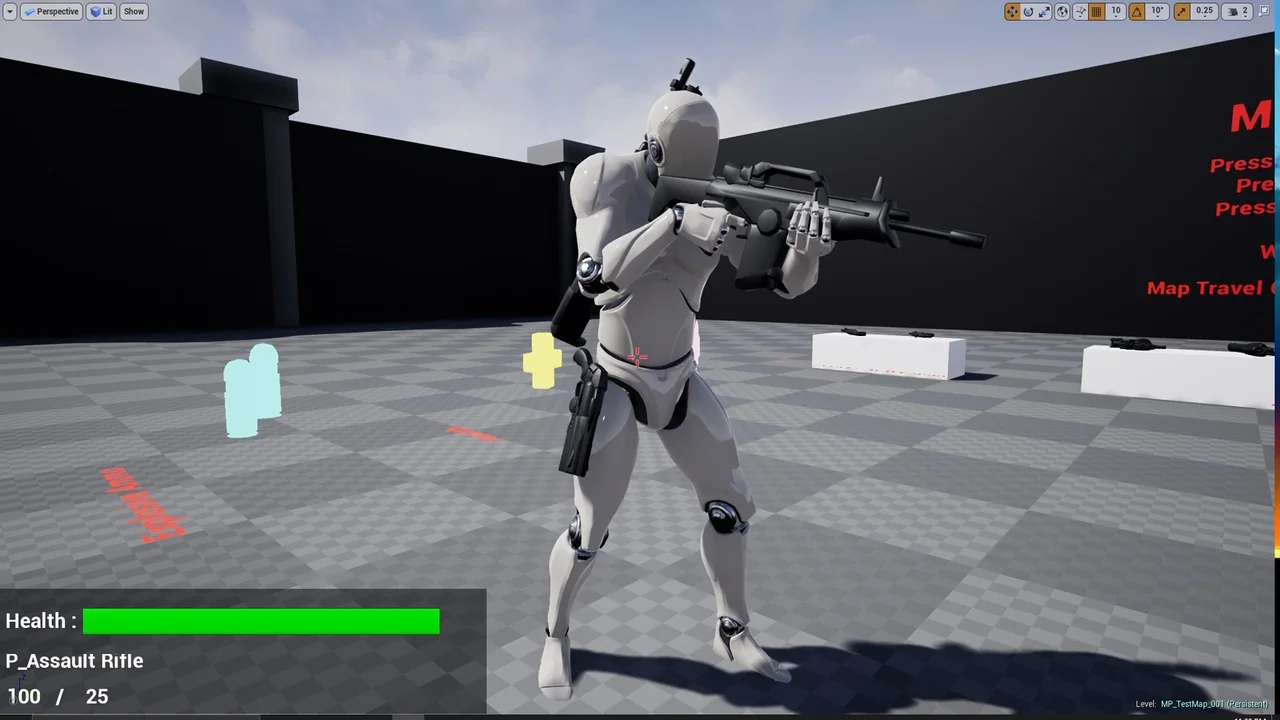
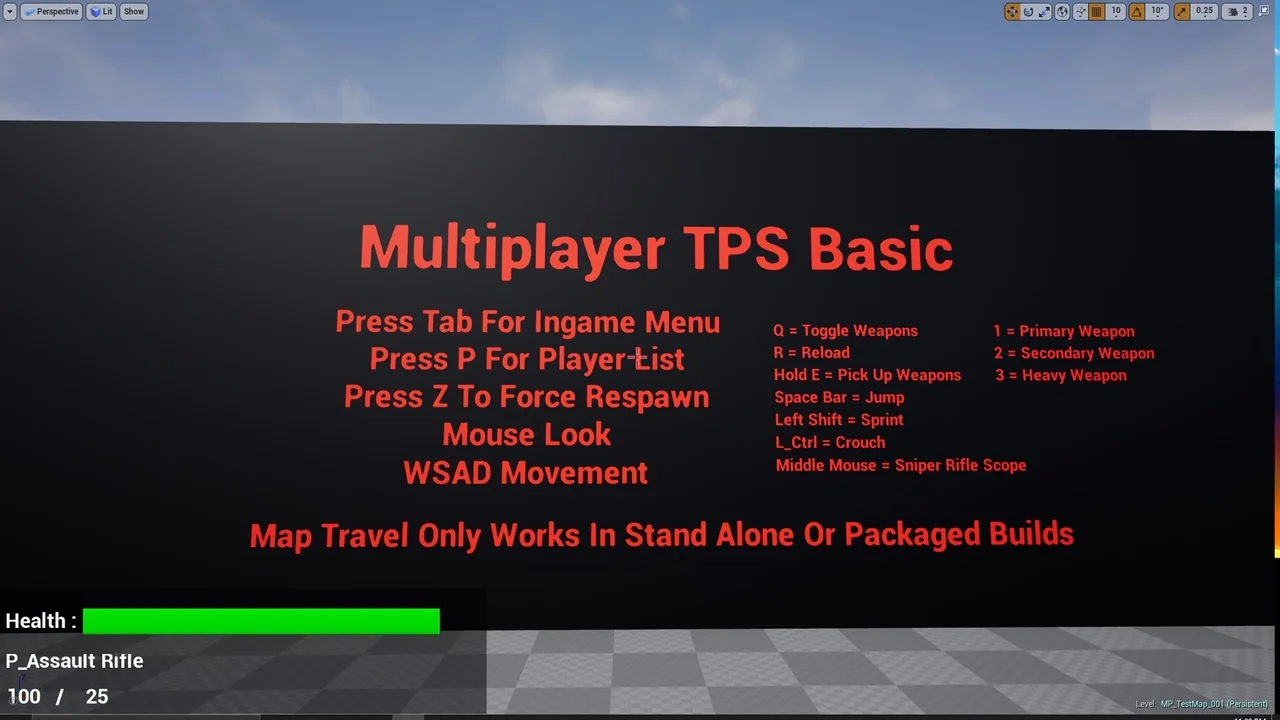
Multiplayer TPS Basic serves as a dedicated foundation for developers aiming to build online cooperative third-person shooters. This framework provides the essential components required for team-based combat scenarios. Consequently, it allows creators to focus on gameplay dynamics rather than building core networking structures from scratch. The system is designed specifically to support a cooperative style of play.
Moreover, the project is built using Blueprints. This approach ensures that the logic is accessible for those working within visual scripting environments. By utilizing Multiplayer TPS Basic, developers can quickly establish a functional multiplayer environment. Therefore, it acts as an efficient starting point for various shooter projects.
Advanced Enemy AI Integration
One of the primary features of Multiplayer TPS Basic is its integrated shooting enemy AI. This system is designed to provide immediate opposition for players in a cooperative setting. However, the AI is not limited to basic movement. It actively engages players using the same weapon systems available to the users themselves.
Furthermore, this parity between player and AI weaponry ensures a balanced combat experience. Because the enemies utilize the same tools, the combat mechanics remain consistent across all encounters. This consistency is vital for maintaining a fair challenge in a multiplayer environment. Additionally, the AI logic is tailored to fit the third-person shooter perspective seamlessly.
Weapon Crates and Loadout Customization
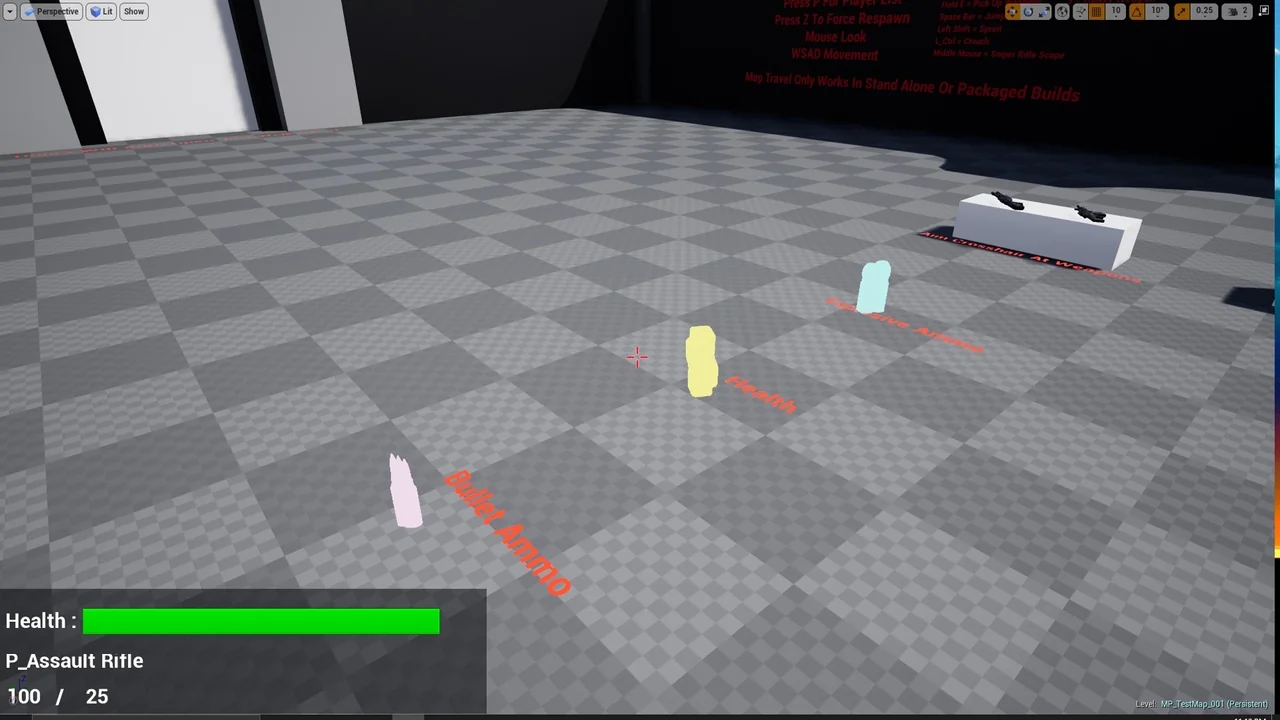
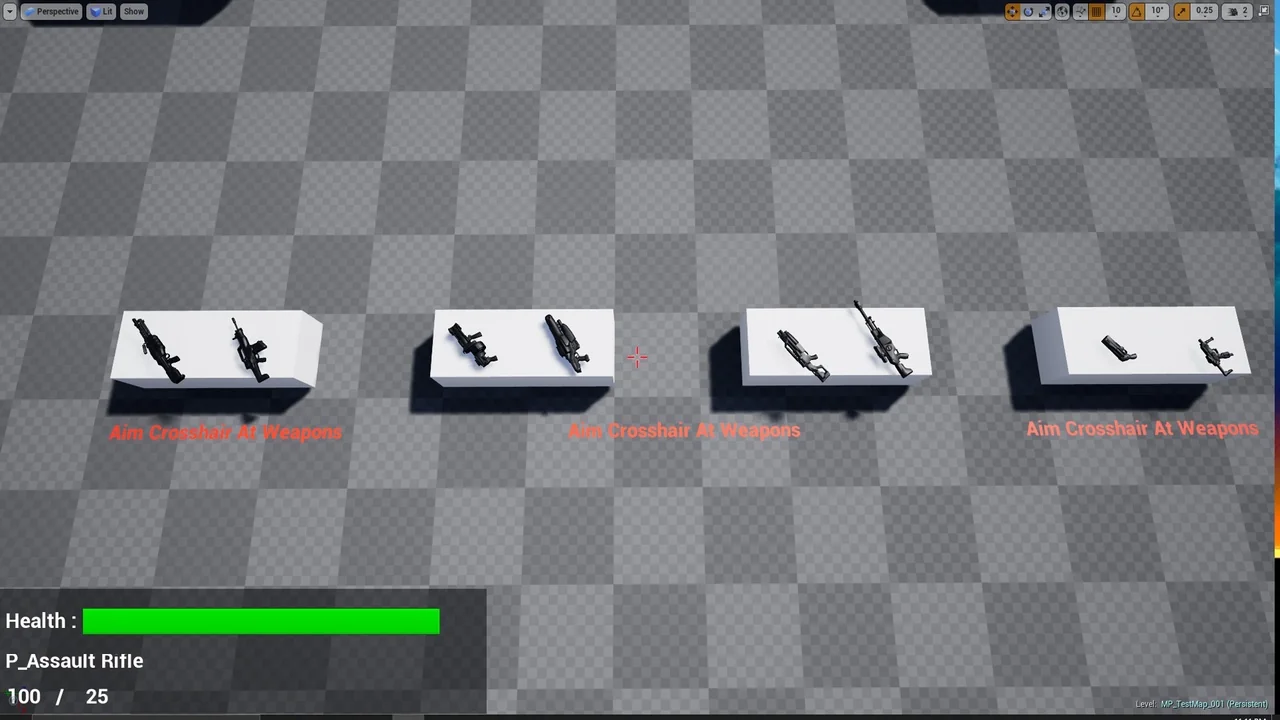
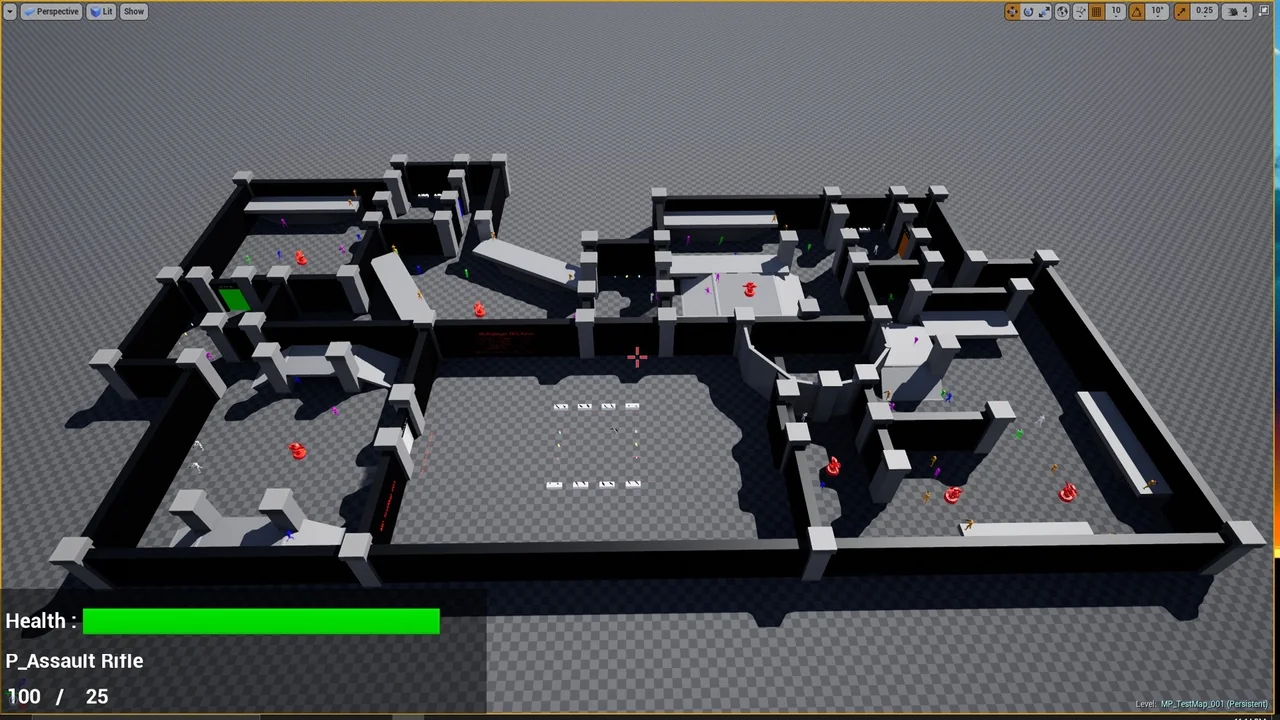
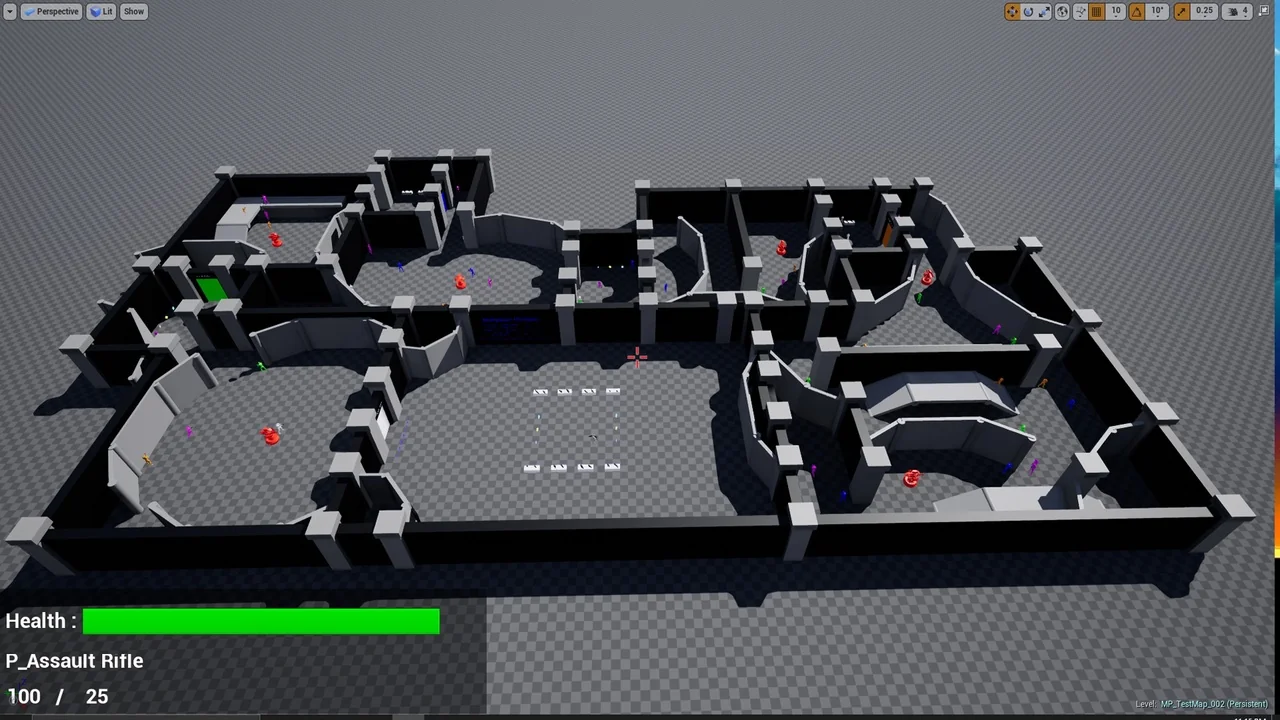
Multiplayer TPS Basic includes a functional system for managing player equipment through weapon crates. In the default state, characters spawn with a specific loadout. Nevertheless, players are not restricted to these initial items throughout the game. The inclusion of weapon crates allows for dynamic changes during a match.
Players can interact with these crates to modify their current loadout. This feature adds a layer of tactical choice to the gameplay. For example, users can swap their starting gear for different options found within the environment. Consequently, this system supports a more varied gameplay loop where players can adapt to different combat situations.
Blueprint-Based Development
The creator has developed this resource using a Blueprint-centric architecture. This choice is beneficial for rapid prototyping and iterative design. Because the logic is contained within Blueprints, it is easier to visualize the flow of the multiplayer shooting mechanics. Furthermore, it simplifies the process of understanding how the AI interacts with the player systems.
The framework is structured to be straightforward and functional. It focuses on the core necessities of a third-person shooter, such as shooting, AI interaction, and networked loadout changes. Therefore, it provides a clean slate for further expansion. Developers can build upon these basic blocks to create more complex cooperative experiences.
Conclusion
In summary, Multiplayer TPS Basic offers a streamlined solution for cooperative shooter development. It successfully combines online multiplayer functionality with intelligent enemy AI. Moreover, the inclusion of weapon crates and loadout management provides essential gameplay depth. This resource is an effective choice for those needing a solid, Blueprint-based foundation for their next third-person shooter project.
Screenshots & Gallery