Comprehensive Stylized World-Building
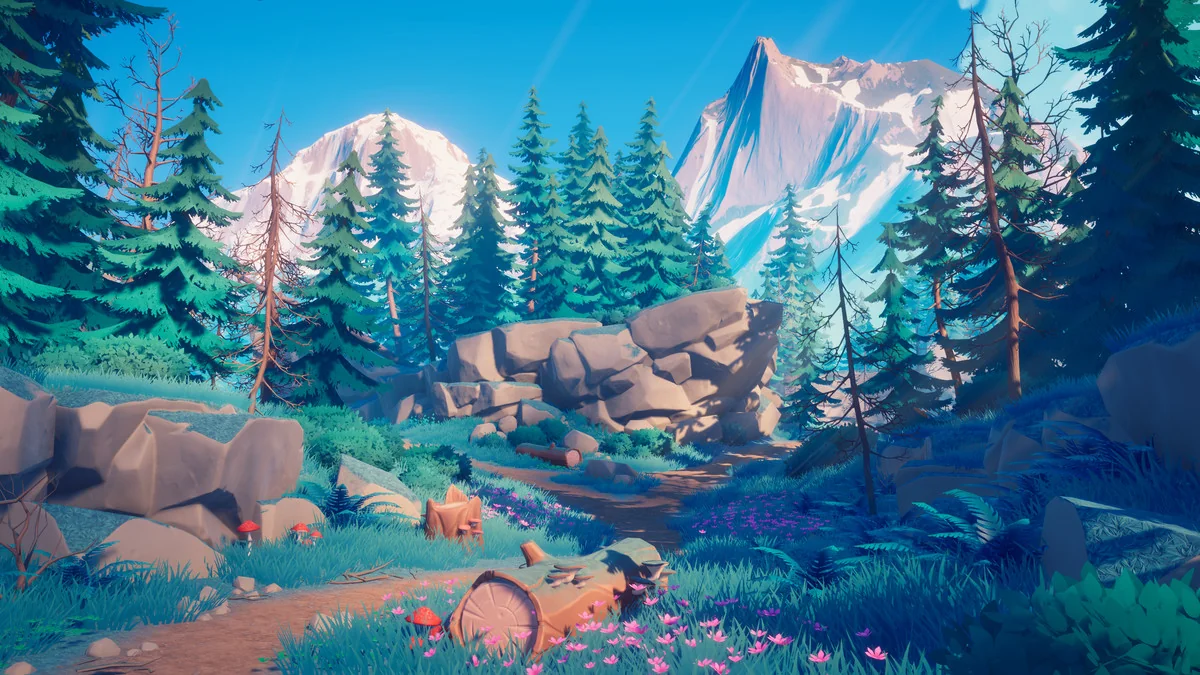
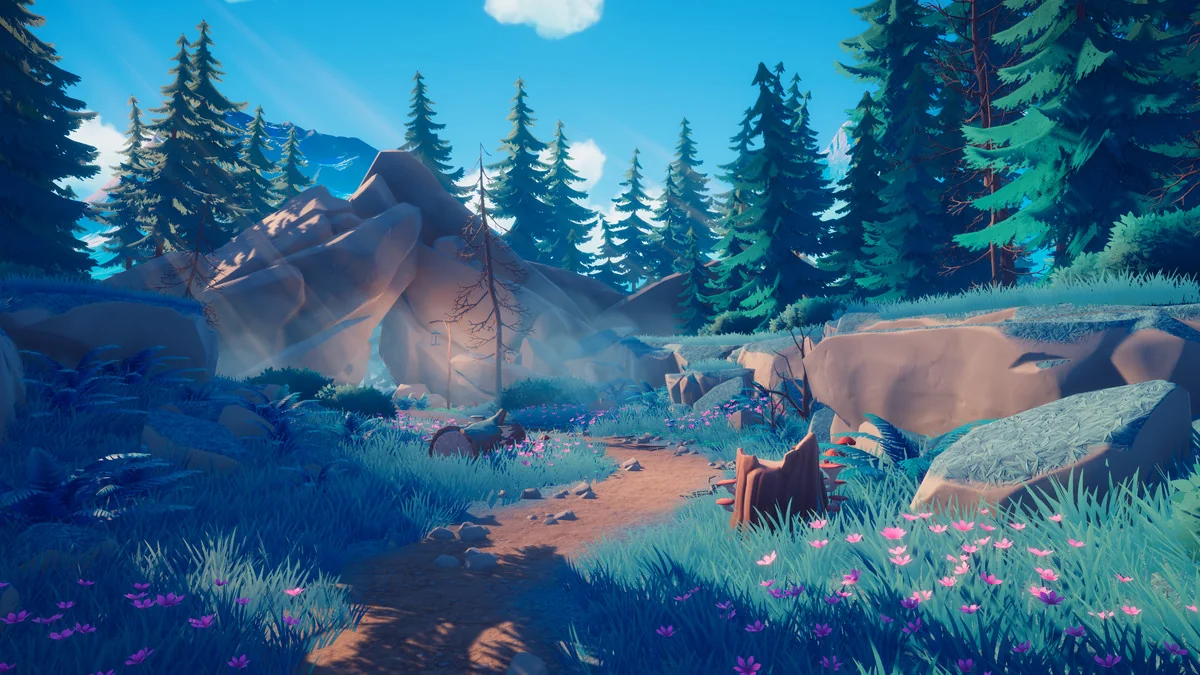
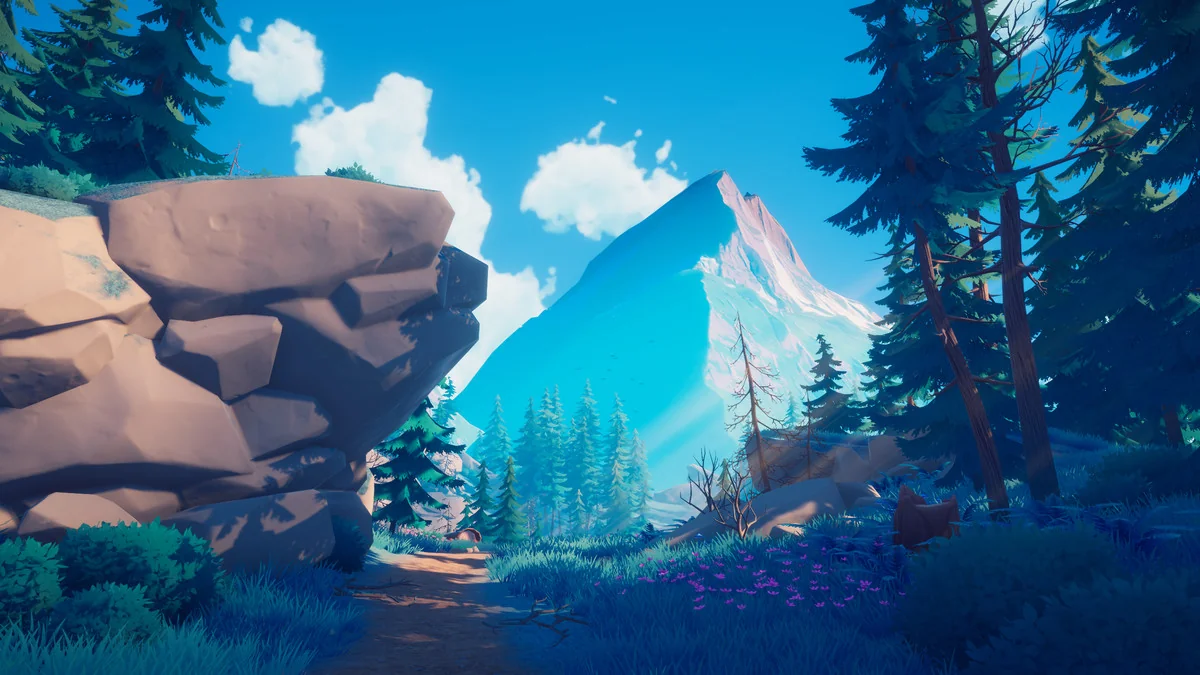
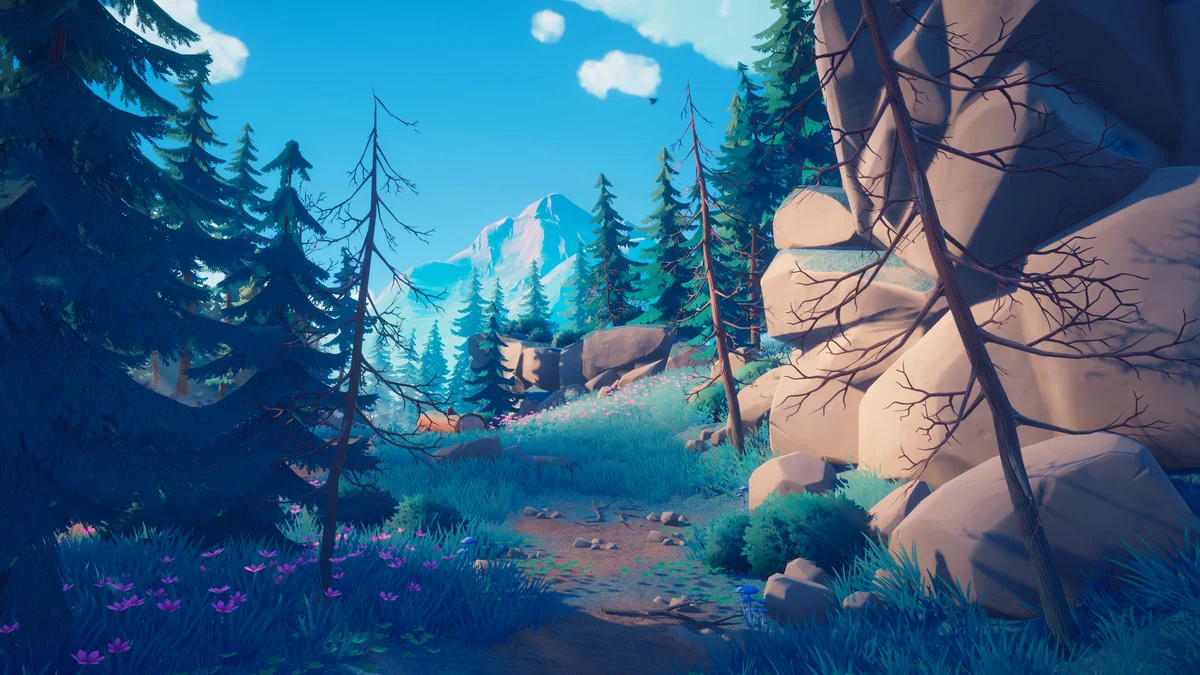
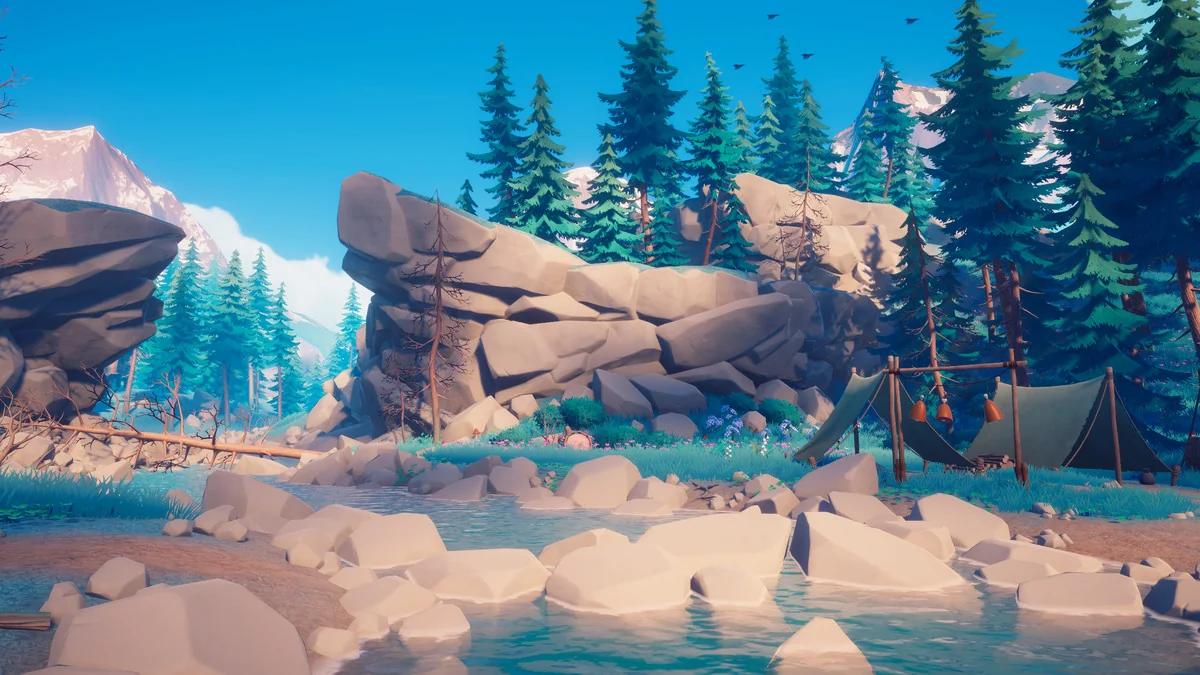
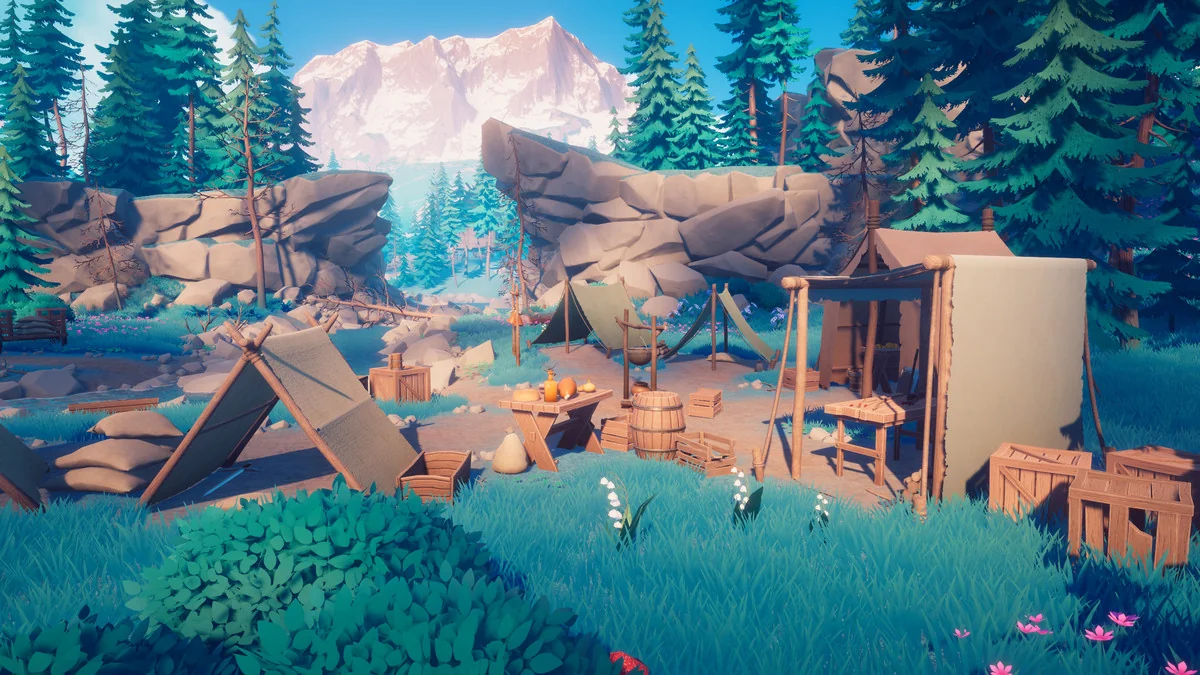
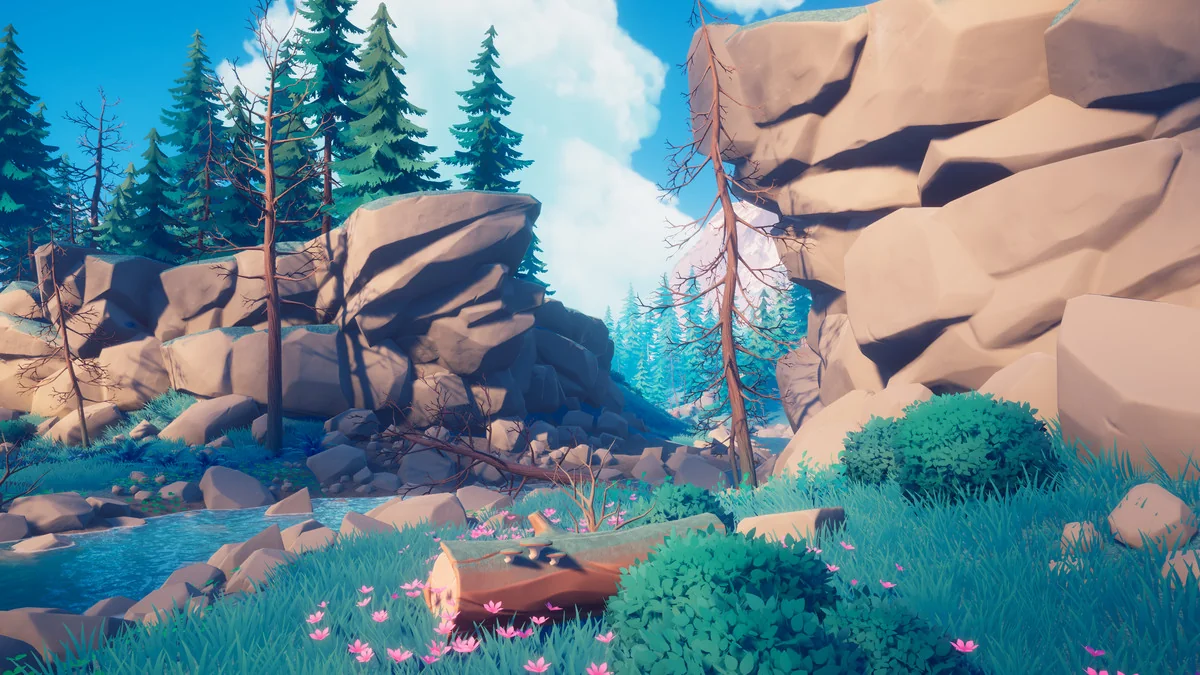
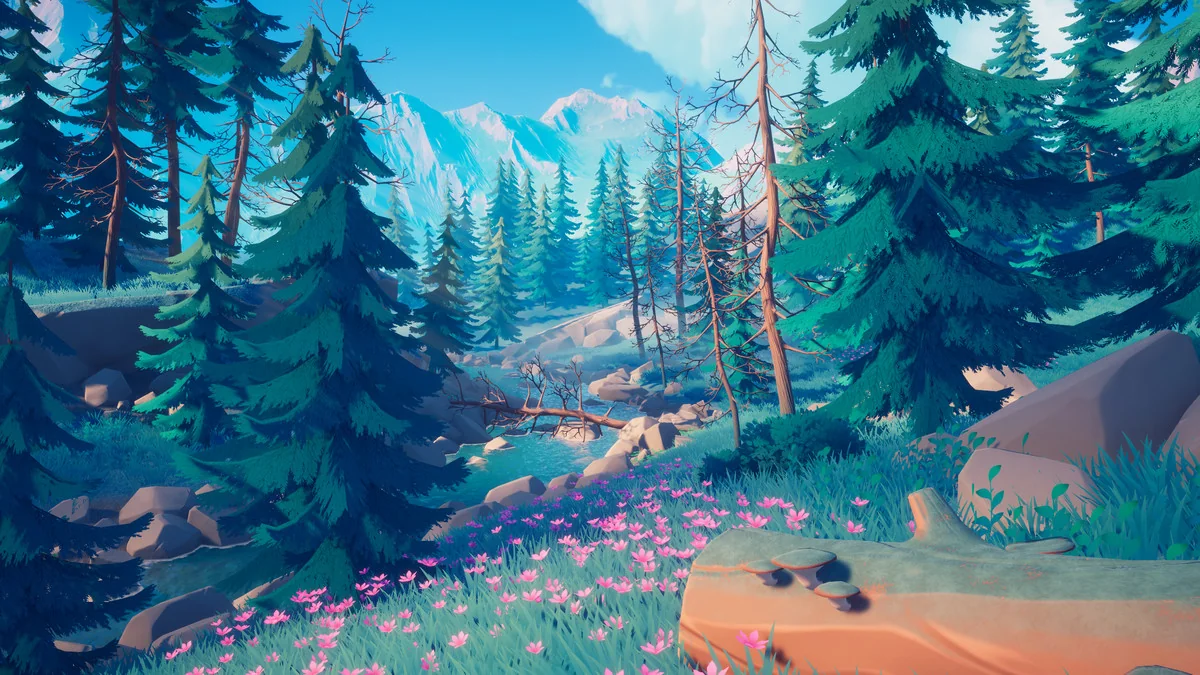
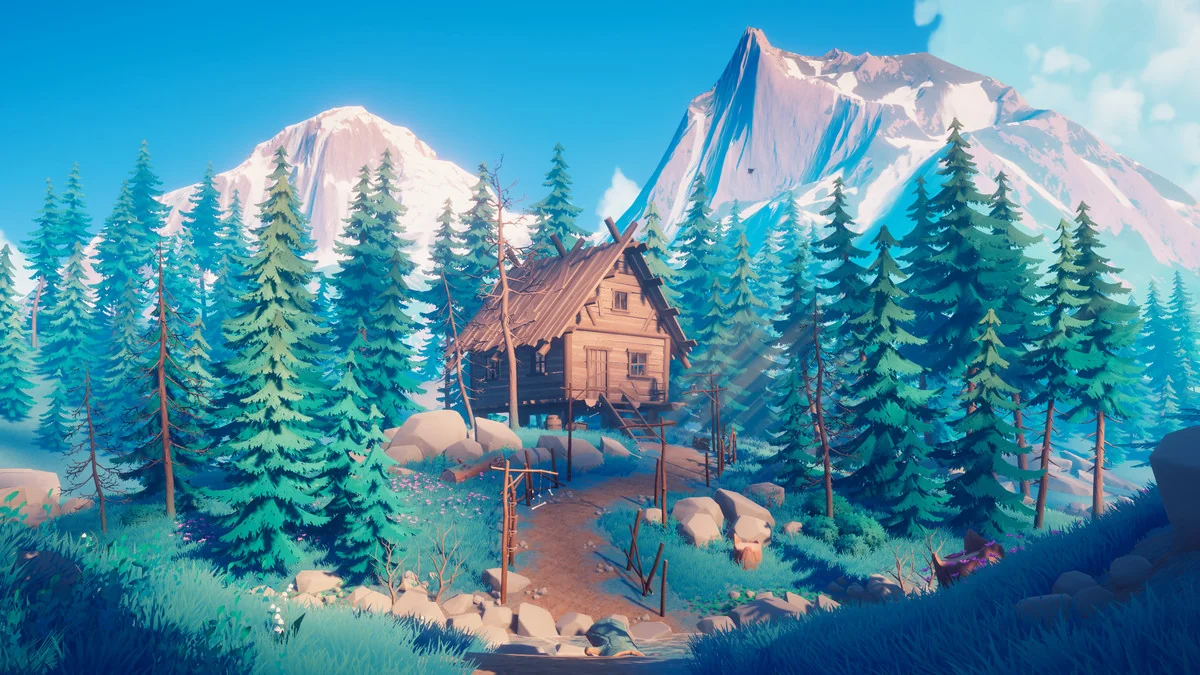
HIGHLANDS is a dedicated toolkit for developers looking to construct stylized fantasy environments within the Unity engine. The package is centered around a Ghibli-inspired aesthetic, focusing on soft, vibrant visuals for forest, mountain, and campsite scenes. Rather than offering just static meshes, the package includes a variety of interactive elements, shaders, and audio files to create a cohesive atmosphere. With a total asset count of 692 items, the resource covers a broad spectrum of environmental needs, from large-scale terrain features to small, detailed props.
Core Components and Asset Variety
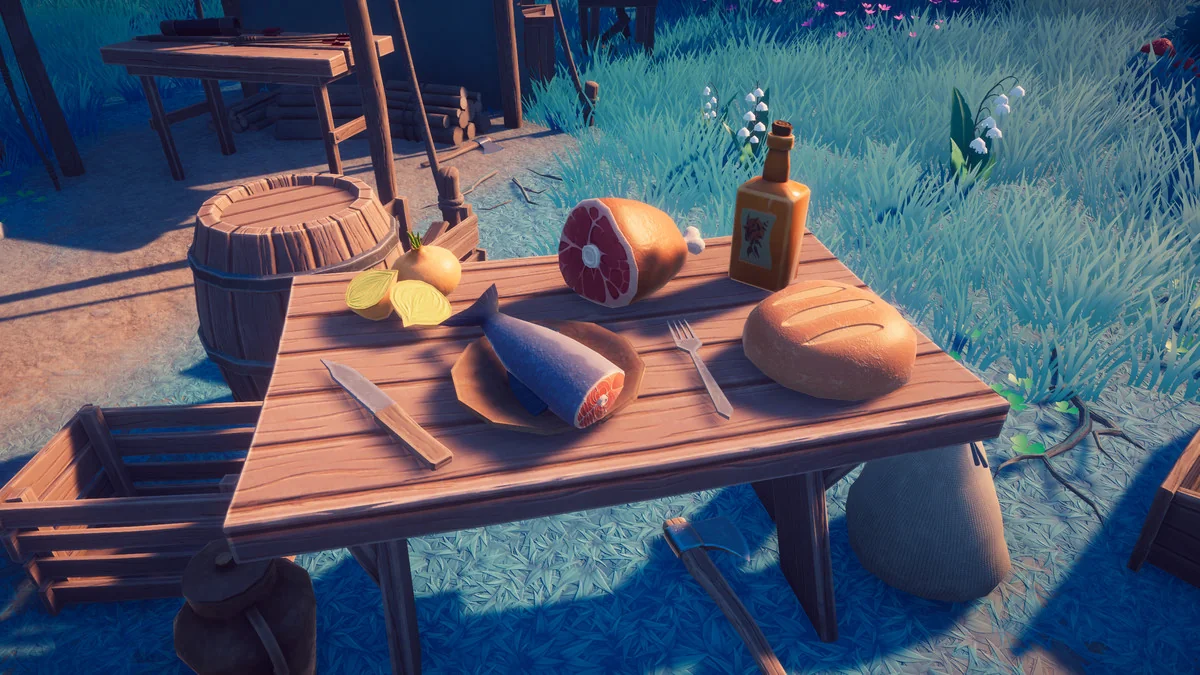
The package contains a wide array of 3D models specifically designed for fantasy and RPG settings. The environmental assets focus heavily on natural landscapes, including mountains, rocks, and diverse vegetation such as trees and grass. These are supplemented by architectural and domestic props like cabins and campsite equipment, allowing for the creation of inhabited wilderness areas.
Beyond the 3D geometry, the package integrates several layers of polish for environmental storytelling:
- Interactable Props: The package includes scripts and setups for objects that the player can interact with, making the environment more than a static backdrop.
- Audio Integration: Unlike many environment-only packs, this resource includes sounds to help establish the auditory profile of a forest or mountain camp.
- Particle Effects: Pre-configured effects are included to handle environmental ambiance and visual feedback.
- Custom Shaders: The package utilizes specific shaders for water and vegetation, including wind animations for grass and trees to ensure the world feels alive.
Technical Architecture and Pipeline Compatibility
The developer has updated the package to support modern Unity workflows, specifically targeting Unity 2022.3.62 and the newer Unity 6 (6000.0.62). It is compatible with both the Built-in Render Pipeline and the Universal Render Pipeline (URP). For those working in Unity 6, the package defaults to URP, with shaders specifically recompiled to ensure compatibility with the latest engine version.
A significant technical shift in recent versions is the decoupling of interactivity scripts from the Unity tag and layer system. In previous iterations, object interactivity might have relied on specific project-wide settings; however, the current version allows these scripts to function independently. This makes it easier to integrate HIGHLANDS into existing projects where tags and layers are already strictly defined for other gameplay mechanics. Additionally, the package now supports the new Input System in Unity 6, providing a more modern framework for handling player-to-object interactions.
Optimization and Rendering
The package is designed with performance in mind, supporting Forward+ URP rendering paths. This is particularly relevant for scenes involving complex lighting or a high density of props and vegetation. The water shader and wind animation systems have also seen targeted fixes to ensure they function correctly in final builds, addressing previous issues where animations might fail to trigger outside of the editor environment.
With a file size of 428.5 MB, the package is substantial but efficient, given the nearly 700 assets included. It is categorized under fantasy environments, making it a direct fit for RPGs, exploration games, or any project requiring a stylized, painterly aesthetic for its landscape. Developers should note that the folder structure was updated in version 1.1.0, requiring a clean installation for those migrating from older versions of the asset.
Utility in RPG and Fantasy Projects
The blend of cabins, forest elements, and mountainous terrain makes this resource particularly useful for creating hub areas, campsites, or transition zones in an RPG. Because it includes both the visual models and the supporting systems—like sounds and interactable scripts—it serves as a functional foundation for a scene rather than just a collection of art. The inclusion of shaders that handle wind and water ensures that the ‘stylized’ look remains consistent across different environmental elements, maintaining the intended Ghibli-esque atmosphere across various lighting conditions and weather states.
Asset Gallery