Introduction to Procedural Urbanism
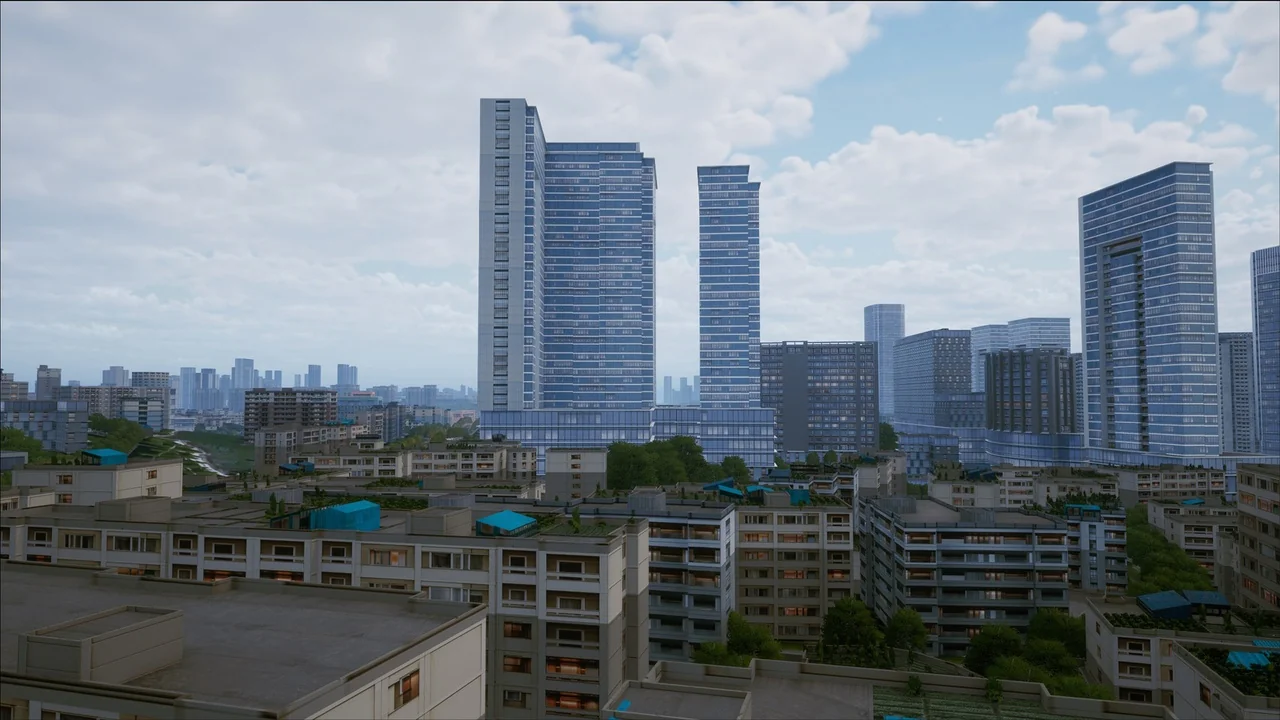
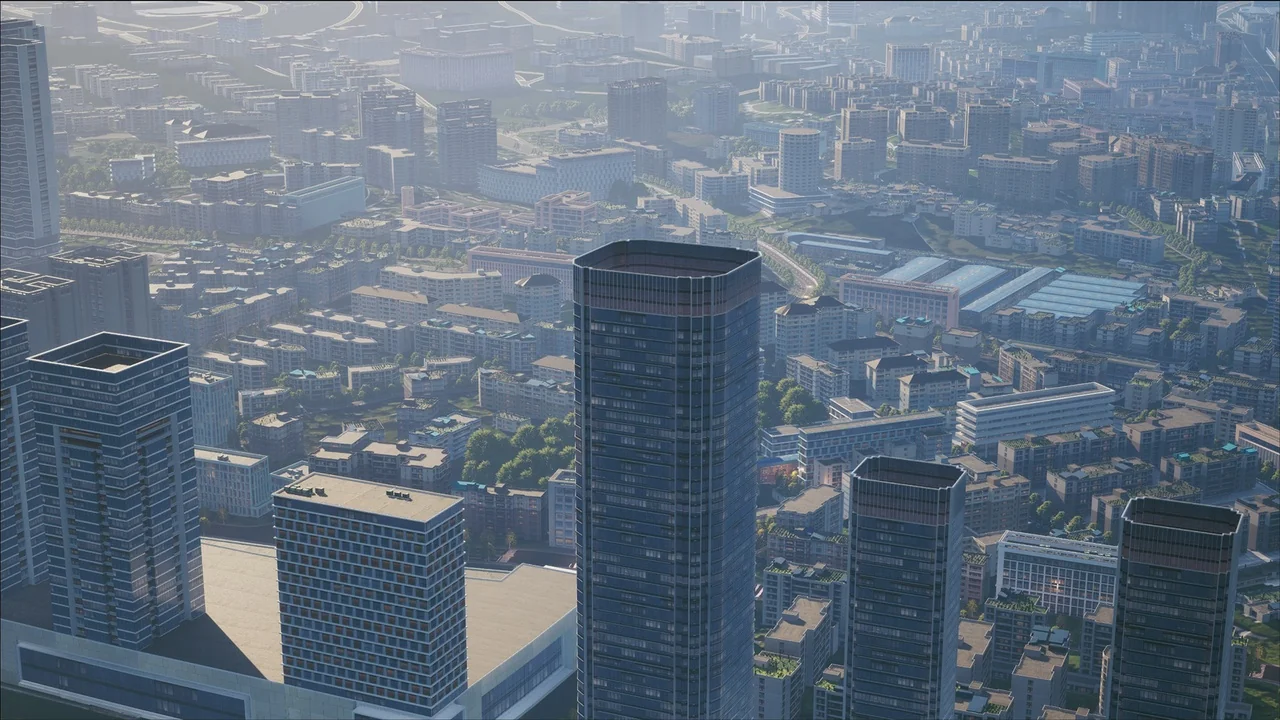
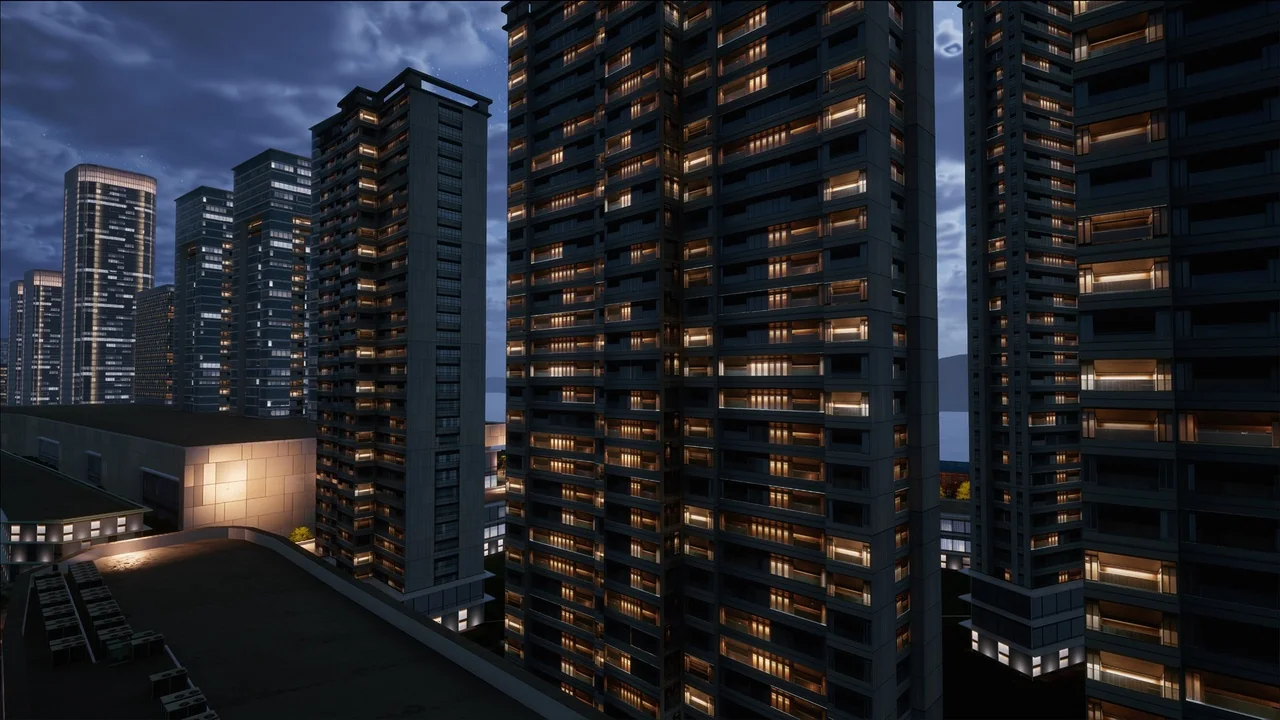
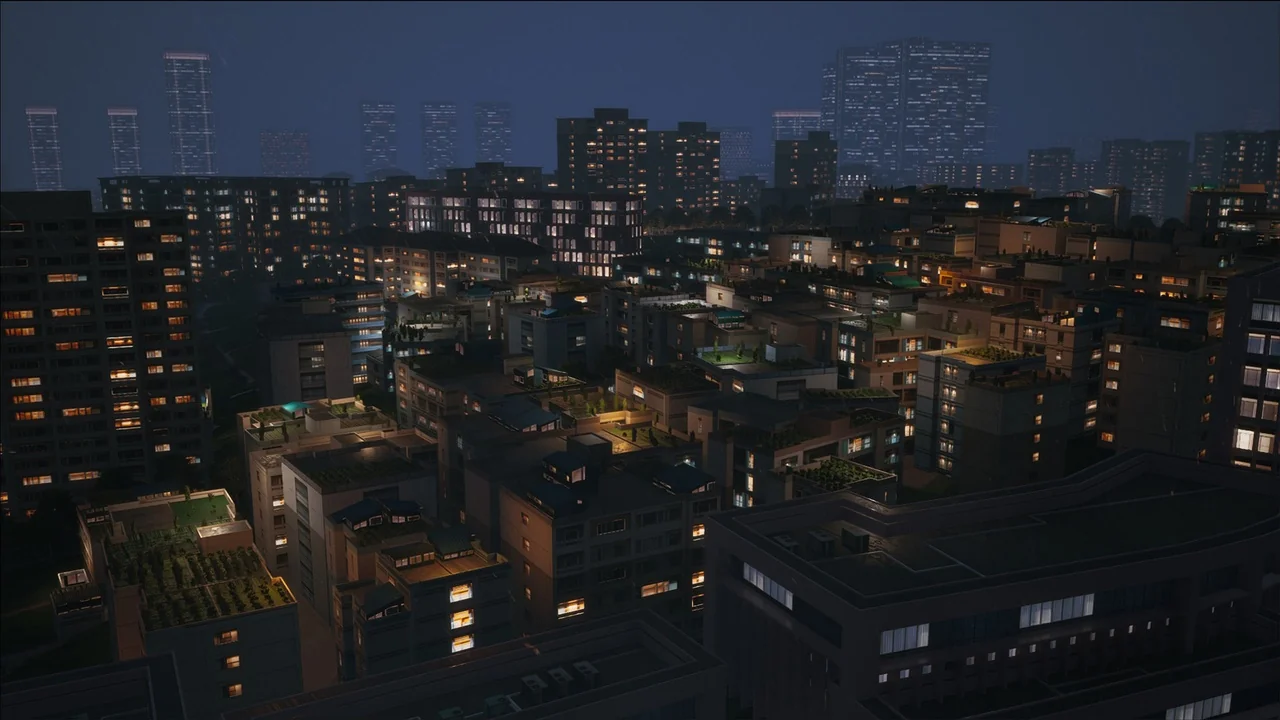
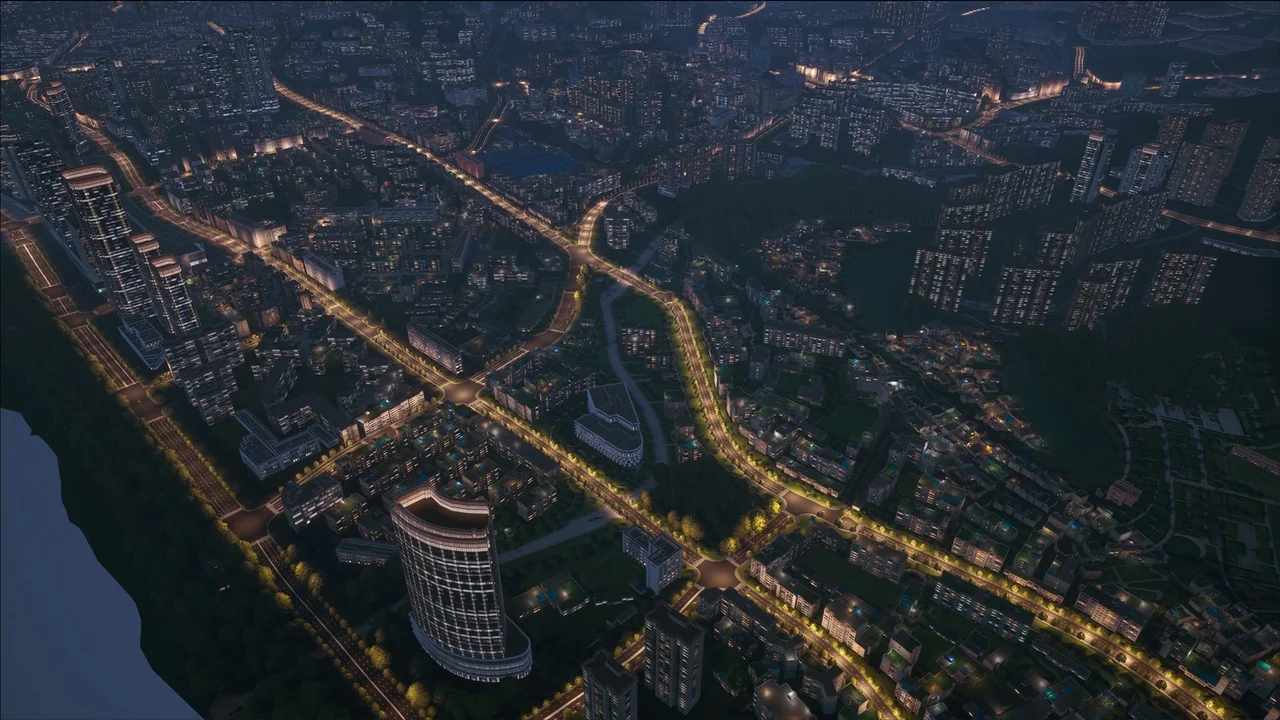
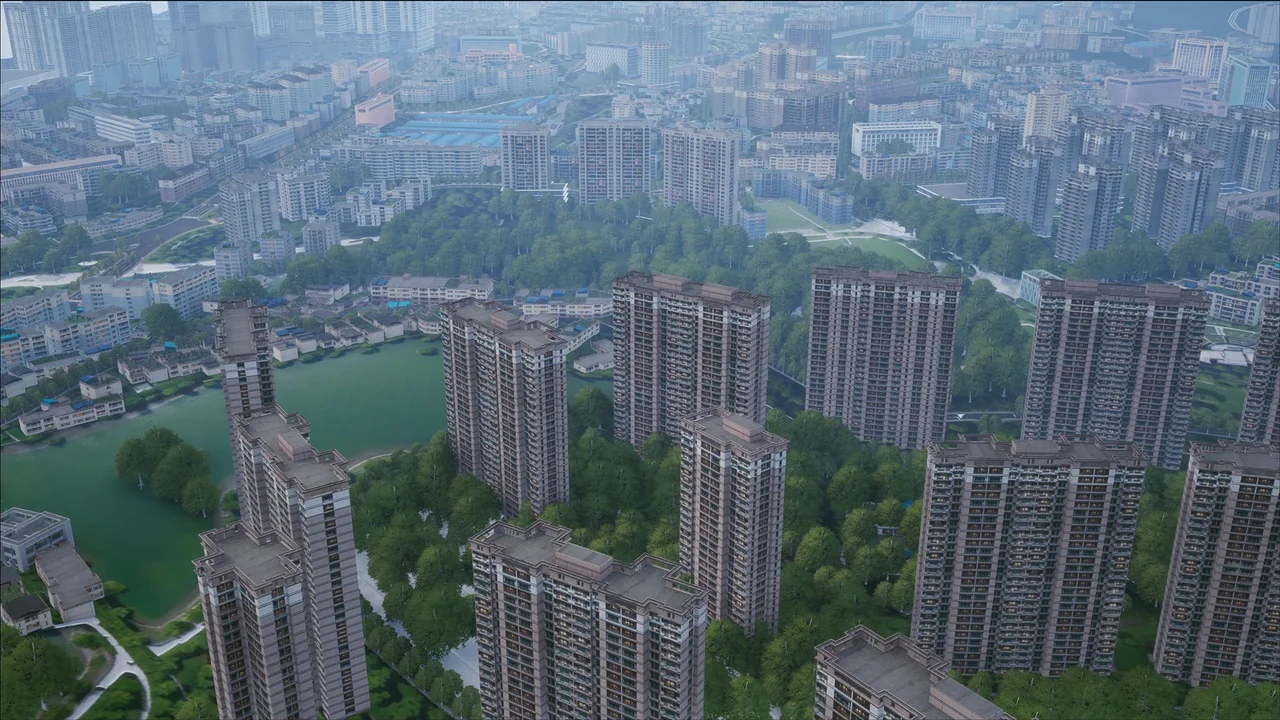
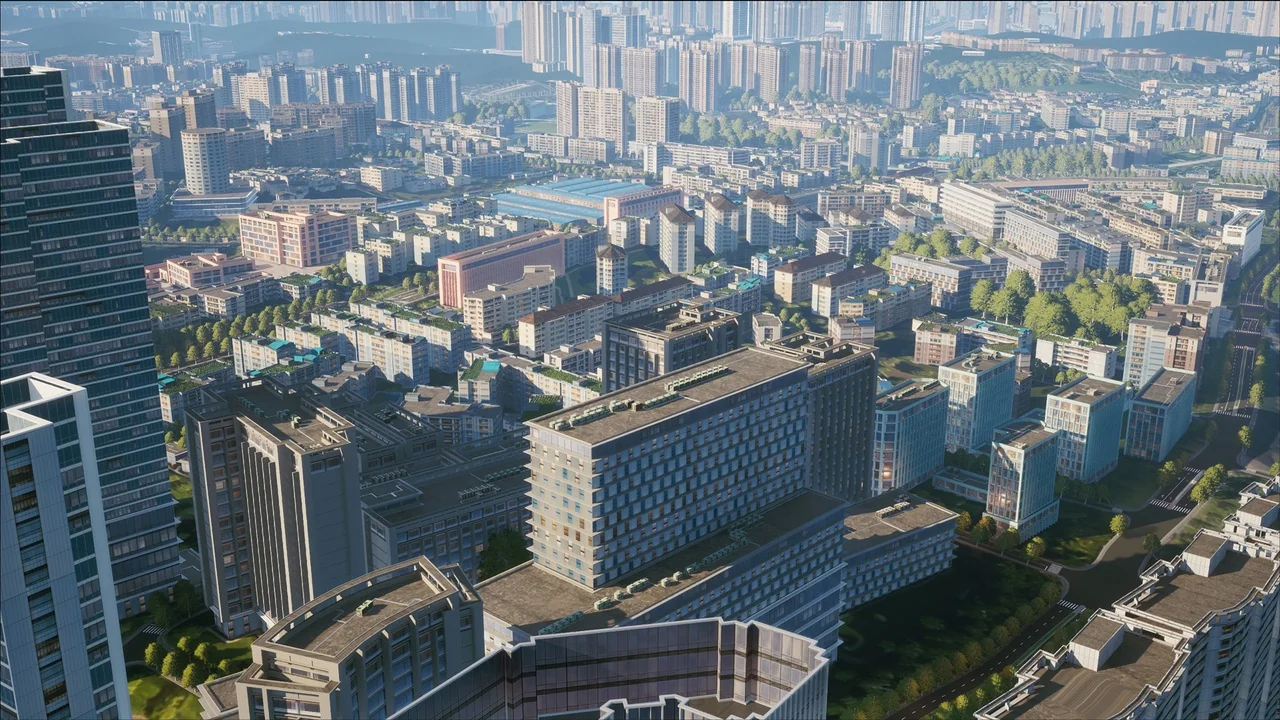
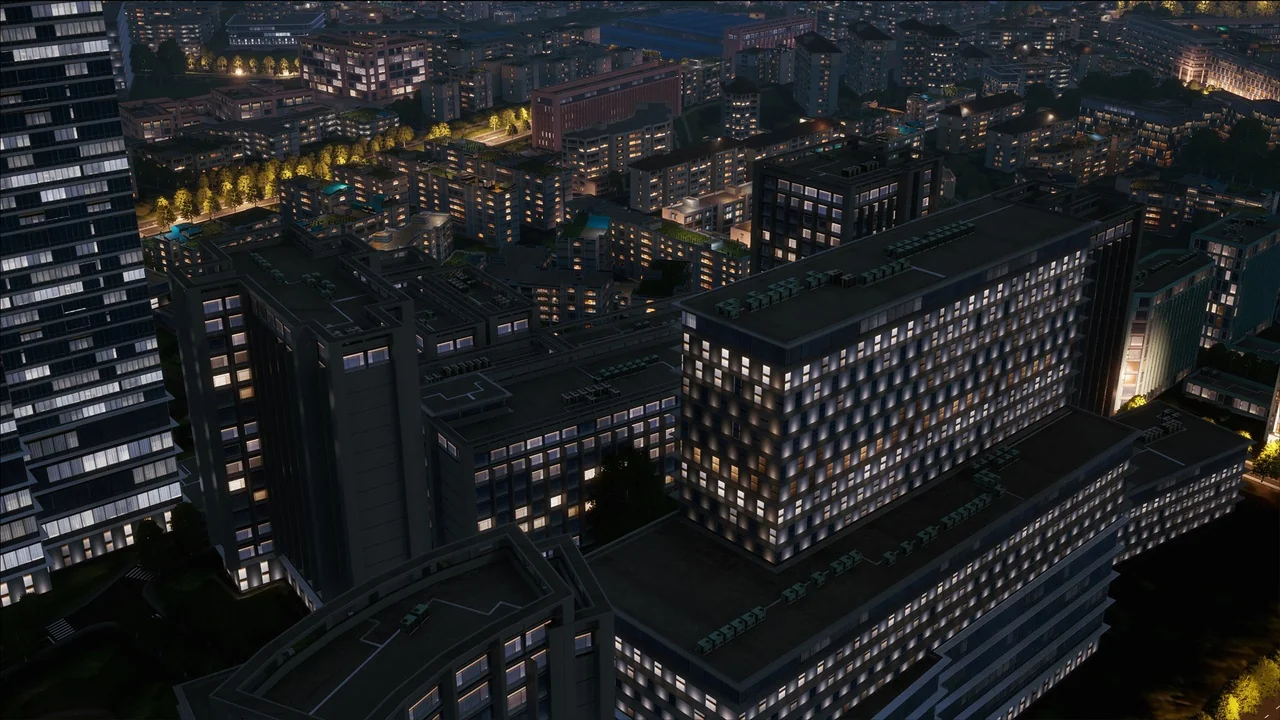
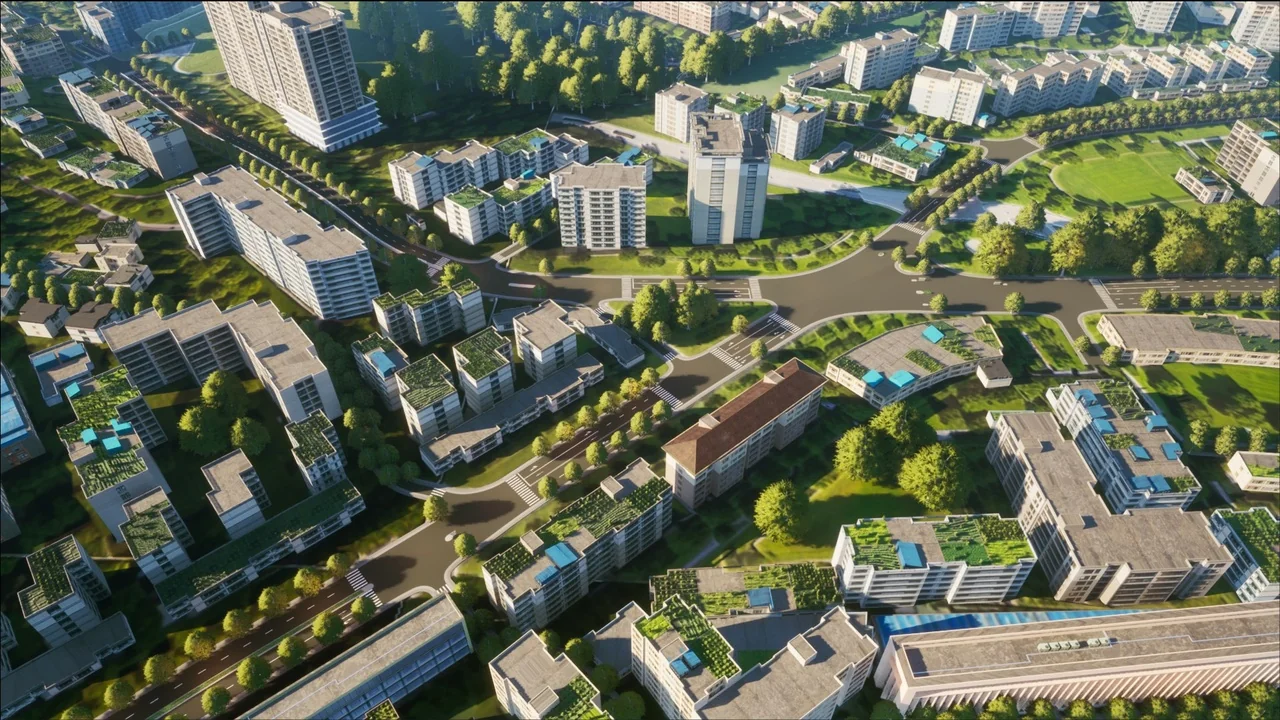
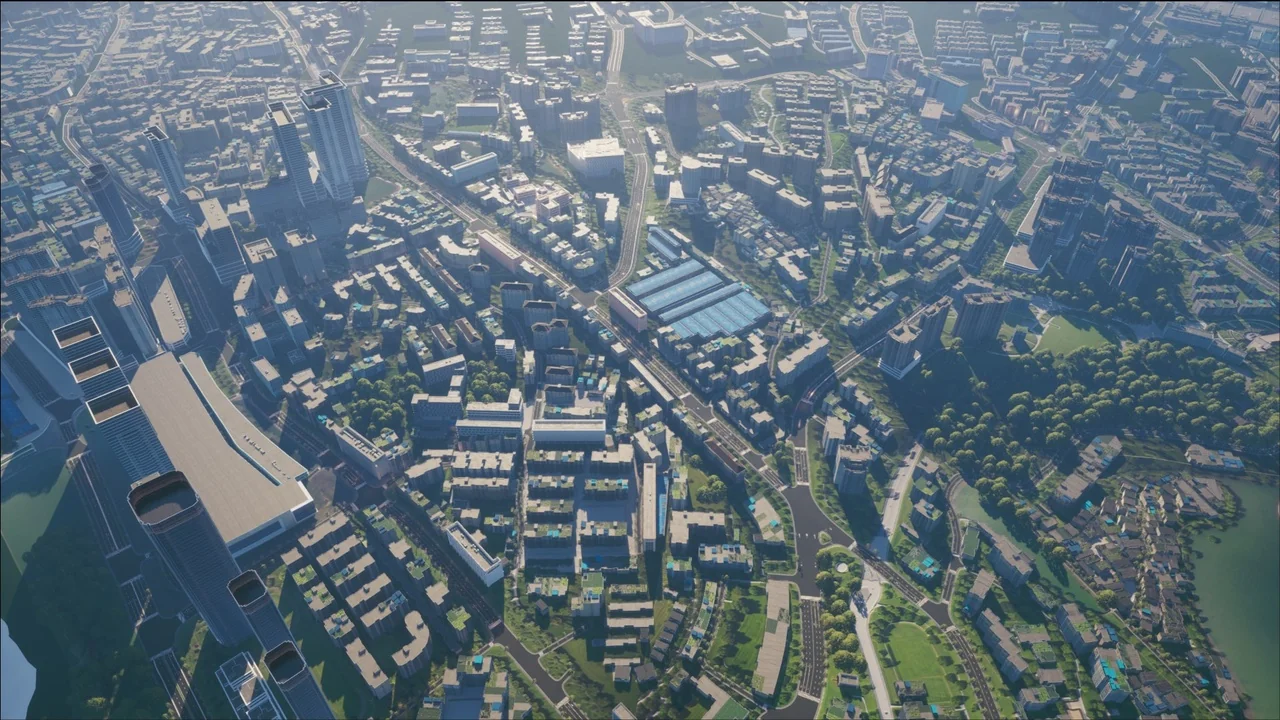
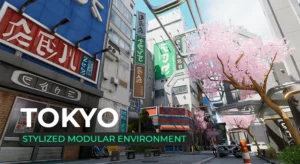
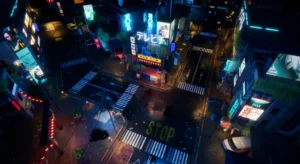
Dynamic City Creator Sample is a comprehensive environment that demonstrates the potential of procedural workflows in Unreal Engine. This resource represents a typical core area of a medium-sized Chinese city. The developer generated the entire scene through an advanced algorithmic process. Consequently, it offers a high level of detail without the need for manual placement of every asset. This data-driven approach allows for rapid iterations and highly complex urban layouts.
Core Features of the City Creator
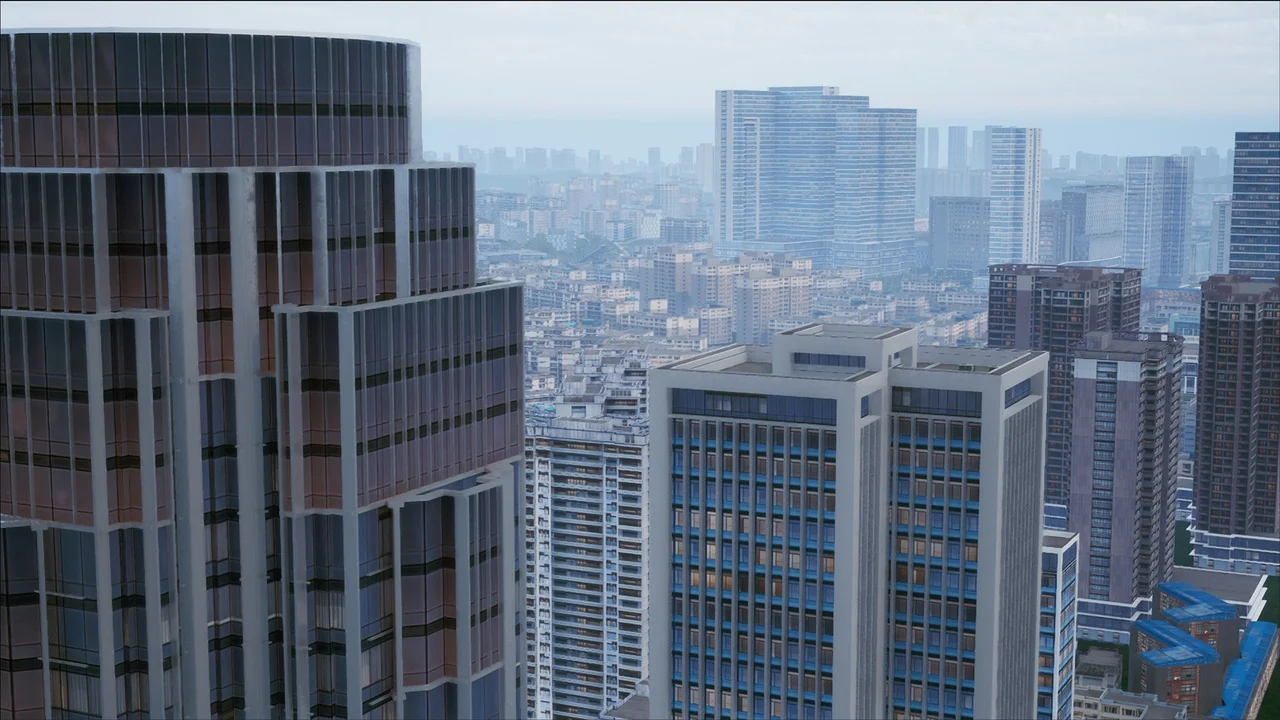
The Dynamic City Creator Sample focuses on realism and structural logic. The system uses specific architectural models to define how buildings are constructed. For instance, office buildings and residential complexes follow different growth patterns. This ensures that the city layout feels natural and functional. Furthermore, the generation process includes smart inferences of building attributes.
Data-Driven Architectural Logic
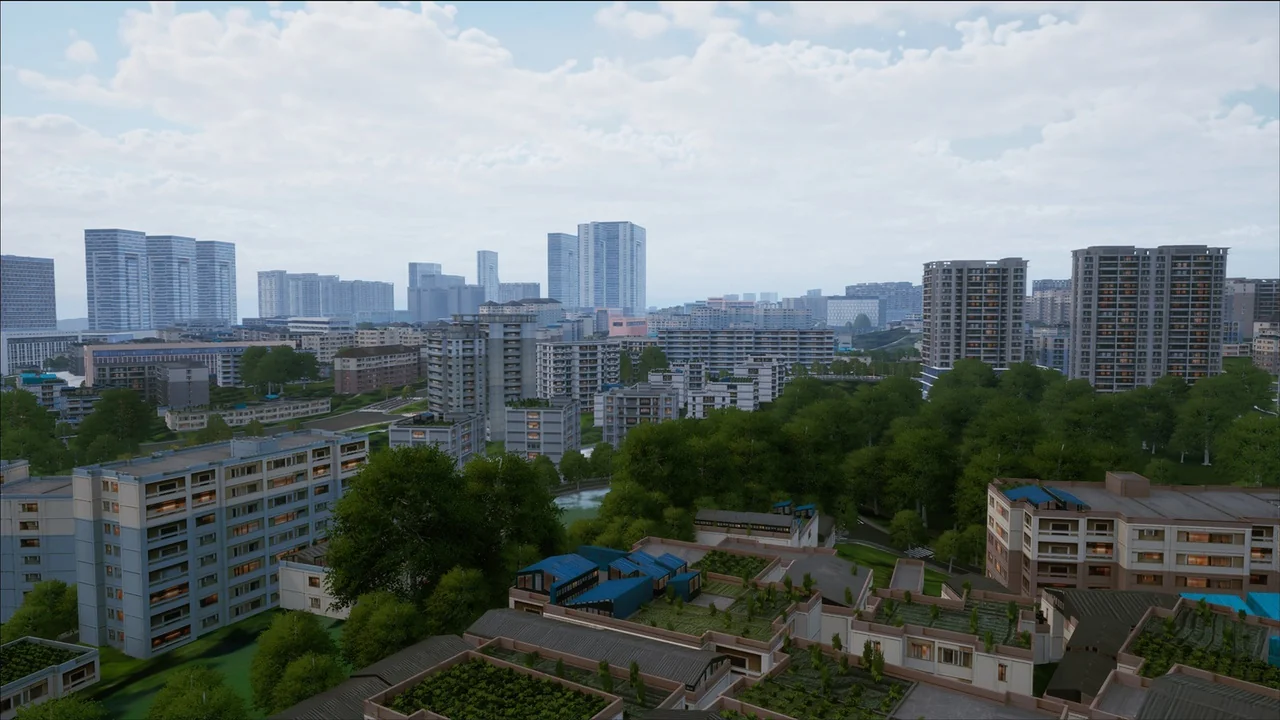
Every structure in the scene is governed by distinct logic models. These models dictate the height, width, and overall footprint of the buildings. Moreover, the system ensures that buildings within the same plot share a unified visual language. This creates a cohesive neighborhood feel rather than a random collection of assets. In addition, the algorithmic process handles the merging and conversion of data into high-performance geometry.
AI-Enhanced Visuals and Textures
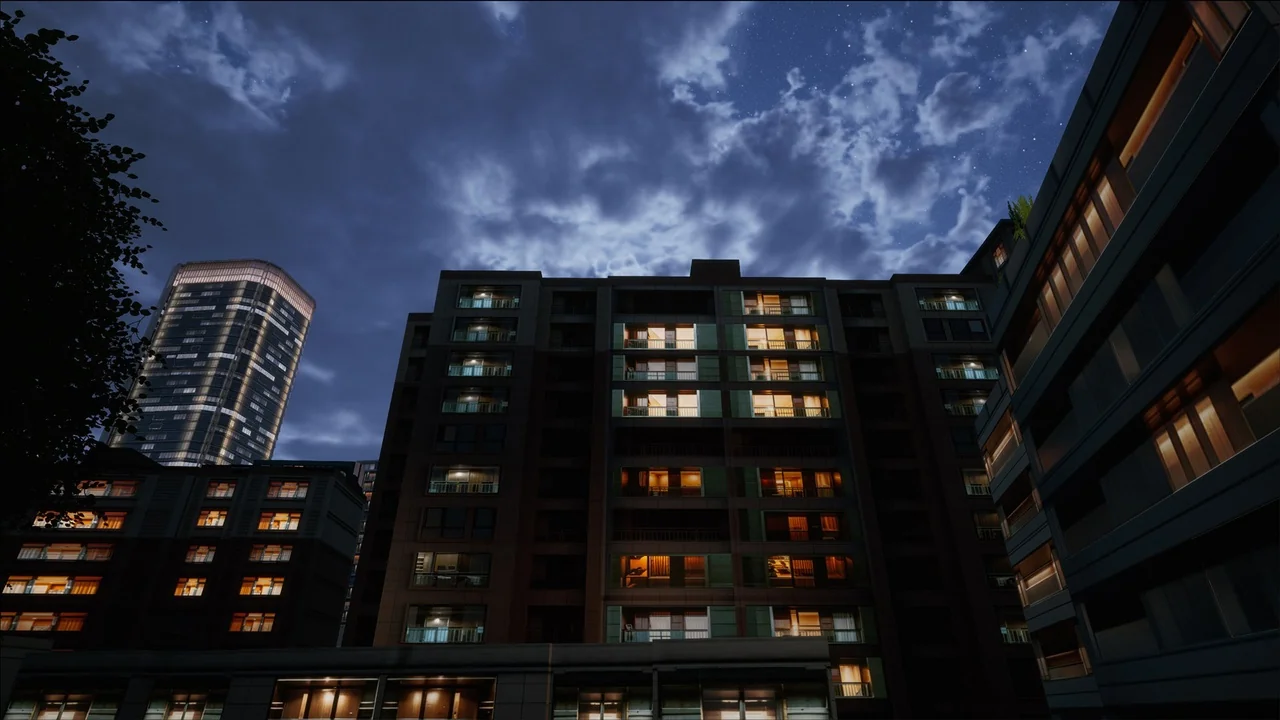
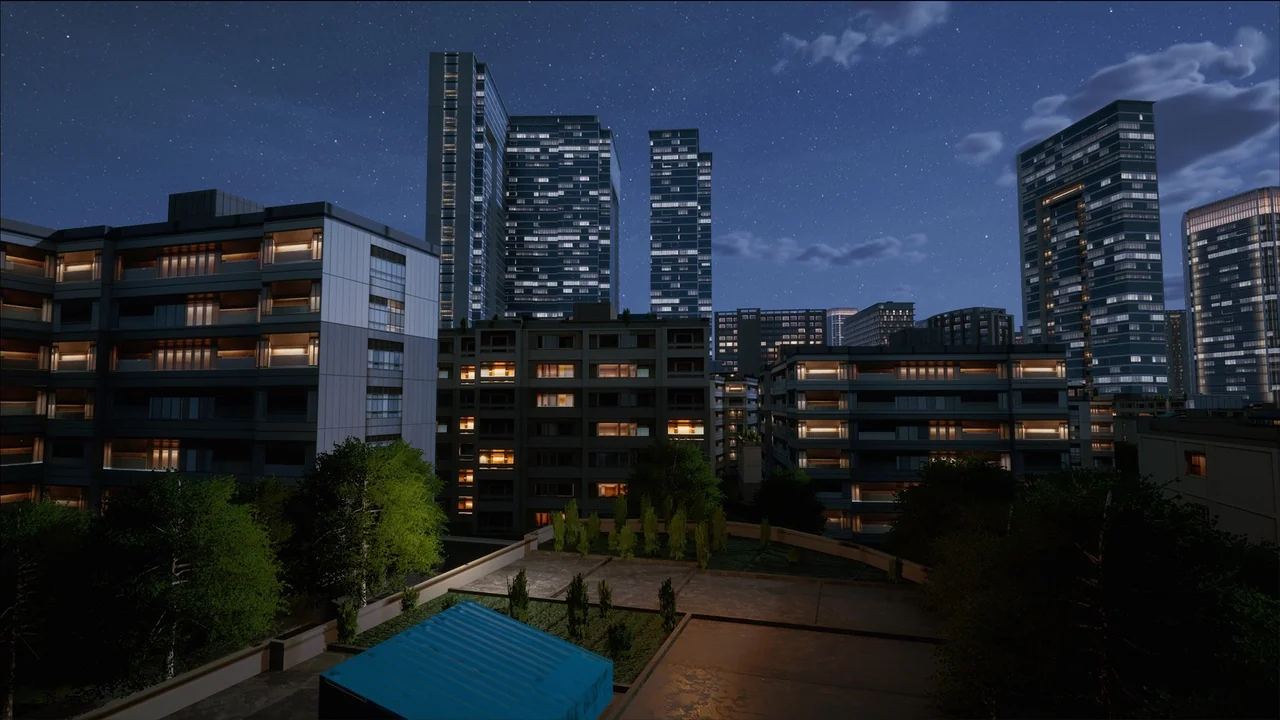
One of the most innovative aspects of this sample is the use of AIGC for material creation. The textures and facade styles are generated based on models that translate text into architectural imagery. Specifically, these models focus on traditional and modern Chinese architectural styles. As a result, the entire urban scene possesses a significant degree of cultural authenticity. The unified color schemes and facade details are consistent throughout the environment.
Benefits for Game Developers and Architects
Using the Dynamic City Creator Sample provides several advantages for digital creators. It serves as an excellent reference for anyone interested in procedural level design. Additionally, the asset highlights how AI can be integrated into the texture pipeline. This method saves time and ensures a unique look for every project. Developers can study the logic models to understand how to balance variety with visual consistency.
The sample is particularly useful for those creating open-world games or urban simulations. Because the city is data-driven, it can be scaled or modified to fit various project requirements. Finally, the integration within Unreal Engine ensures that the scene is optimized for real-time rendering and high-quality lighting.
Conclusion
The Dynamic City Creator Sample is a powerful example of modern urban generation techniques. By combining algorithmic logic with AI-generated content, it offers a realistic look at Chinese cityscapes. This resource is perfect for artists looking to explore the future of procedural environment design. Whether you are building a game or a simulation, this sample provides the technical foundation needed for high-quality urban development.
For more details, you can view the official documentation and video showcase here:
Screenshots & Gallery