Inspector-Driven Customization and Workflow
The Cake Mania project is designed as a template for developers looking to implement match-3 mechanics within the Unity engine. One of the primary characteristics of this project is its reliance on the Unity inspector for parameterization. Rather than requiring developers to modify core scripts for every minor adjustment, the developer has exposed key variables through the inspector interface. This setup allows for the configuration of game rules, board behaviors, and item properties directly within the editor environment, facilitating a more iterative design process.
This approach to project setup is particularly useful for those who need to adjust the difficulty or pacing of the match-3 gameplay without deep dives into the underlying C# logic. By surfacing these parameters, the project supports a workflow where game designers can tweak values and immediately test the results within the Unity play mode.
Logic Implementation and Documented Code
At the core of the project is a documented codebase intended to guide developers through the implementation of the match-3 system. The scripts cover the essential logic required for identifying matches, managing the board state, and handling the movement of individual pieces. Because the code is documented, developers can more easily trace the flow of execution, making it simpler to extend the existing functionality or integrate the project into a larger, more complex game structure.
The logic handles the “dynamic” nature of the gameplay, ensuring that piece interactions and board refreshes occur smoothly. This foundation is critical for maintaining the responsive feel expected in puzzle titles. The project structure is contained within a 14.1 MB unitypackage, which includes a total of 147 individual assets that comprise the logic, UI, and environmental elements.
Interactive Boosts and Visual Feedback
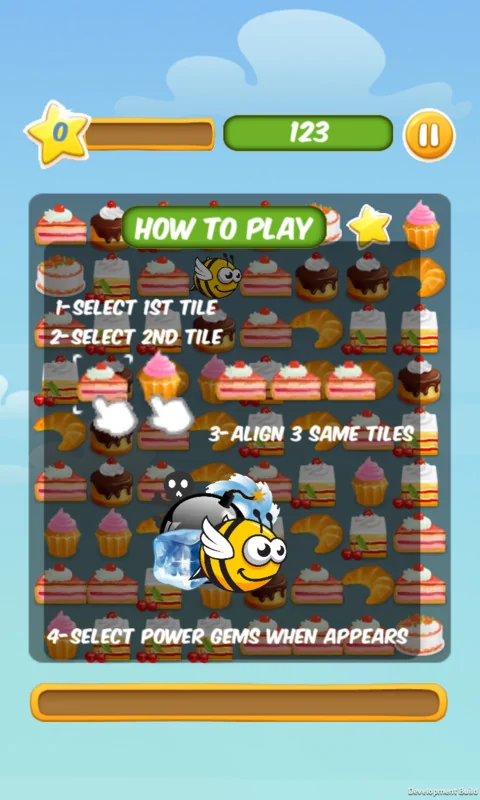
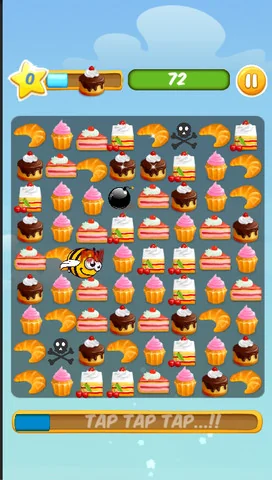
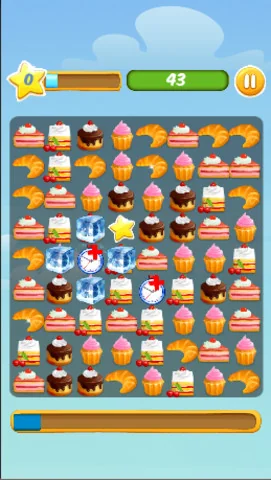
To enhance the basic matching loop, the creator has included a system of boosts. These are interactive elements that users can trigger to create specific board-clearing effects. The implementation of these boosts is tied directly to the project’s animation and particle systems. When a boost is activated, the game triggers specific particle effects and animations that provide immediate visual feedback to the player.
These visual systems are optimized to run across various platforms, ensuring that the animations remain fluid regardless of the target hardware. The integration of particle effects alongside the standard matching animations helps define the “cake experience” described by the creator, where every successful interaction results in a clear visual and auditory response.
Asset Composition and Audio Integration
The project includes a dedicated suite of graphics and sounds to complete the template. The audio component features sound effects contributed by Bart Kelsey and Jesús Lastra, sourced from OpenGameArt. These assets are pre-integrated into the project’s event system, so sounds trigger automatically in response to matches, boosts, and other game state changes.
Technically, the project was originally built for Unity version 4.3.4 and has been updated for compatibility with Unity 5.0.0. This makes it a legacy-compatible resource for developers working within those specific versions of the engine. The asset count of 147 includes everything from the 2D sprites used for the cakes to the various UI components and effect prefabs required to run a complete game loop.
Platform Support and Technical Constraints
Designed for multi-platform performance, the project is structured to maintain a smooth frame rate across different devices. The use of 2D sprites and optimized particle systems contributes to this performance profile. Because the project is delivered as a complete template, it includes the necessary scenes and configurations to serve as a starting point for mobile or desktop puzzle games.
The implementation details provided in the source highlight a focus on ease of use for the developer. By combining documented code with a highly parameterized inspector setup, the project aims to reduce the technical barriers associated with building a match-3 engine from scratch. The inclusion of specialized boosts and a full library of 147 assets provides a functional framework for immediate testing and further development.
Preview Images