Interactive Vehicle Components for Gameplay
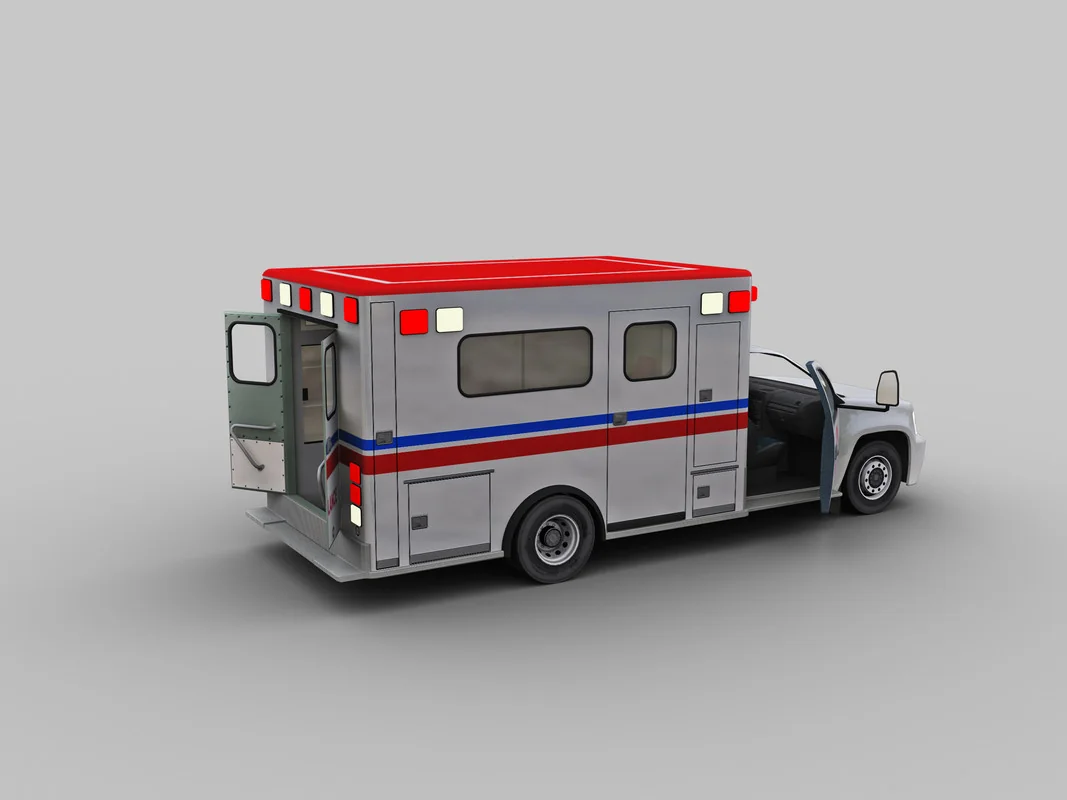
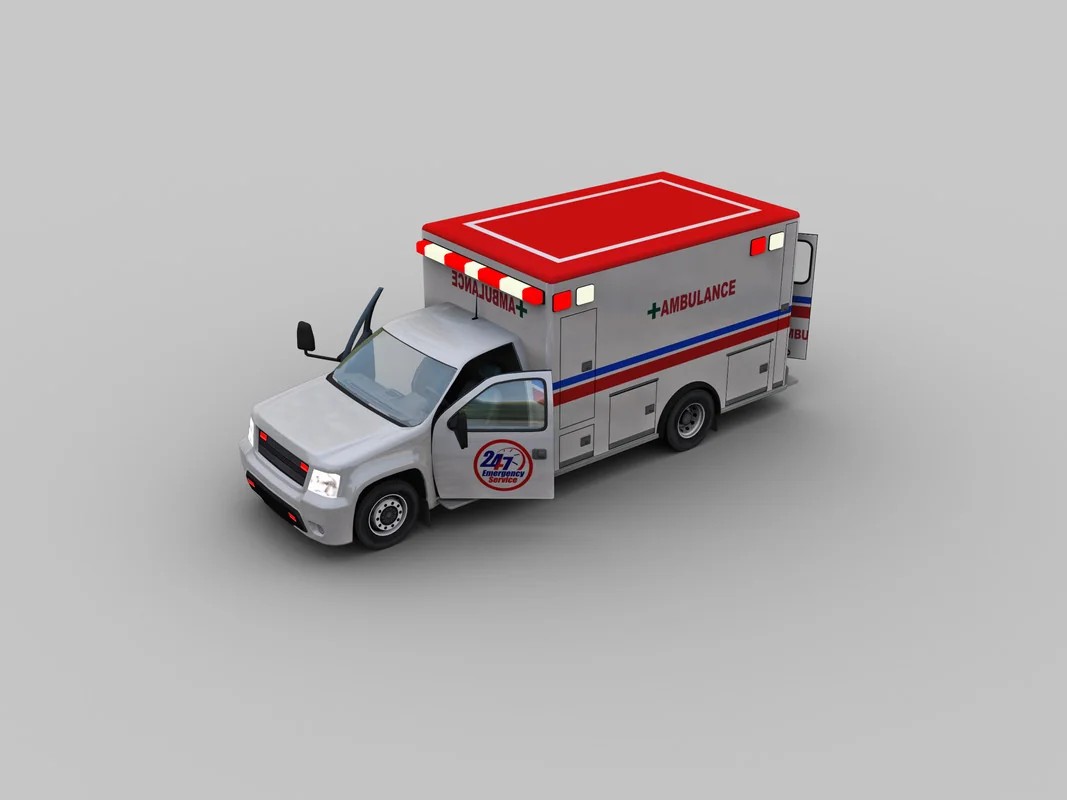
When integrating vehicles into a modern game engine, the utility of a model is often determined by its modularity. The creator of this ambulance asset has focused on a structural breakdown that allows for immediate technical implementation. Rather than being a static mesh, the model is correctly divided into a main chassis and individual wheels. This separation is essential for developers who need to apply wheel colliders and physics-based driving scripts. By isolating the wheels from the body, the asset supports realistic suspension movement and rotation without requiring additional manual slicing in external 3D software.
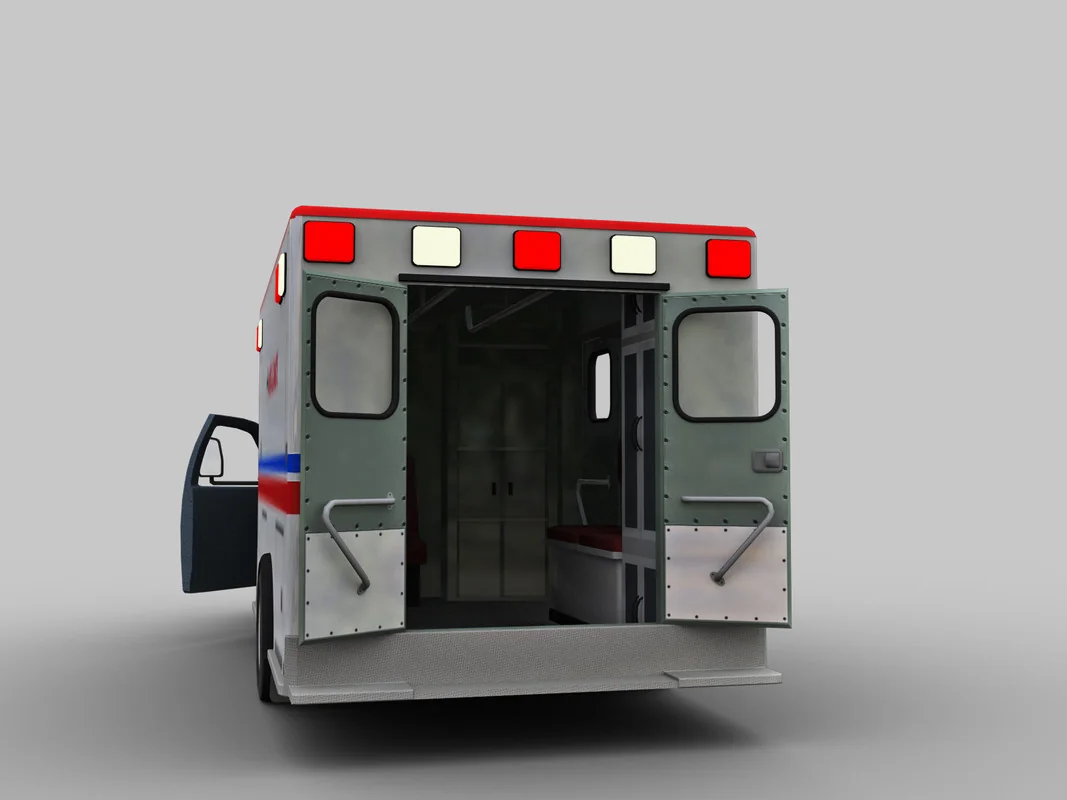
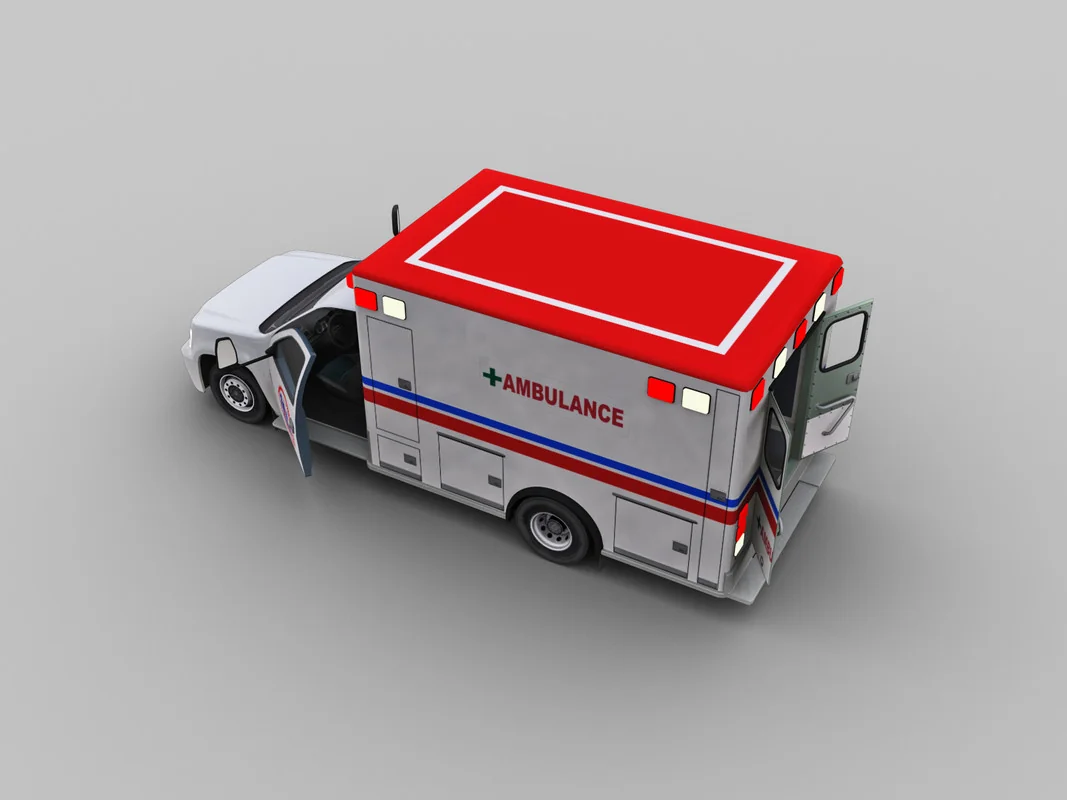
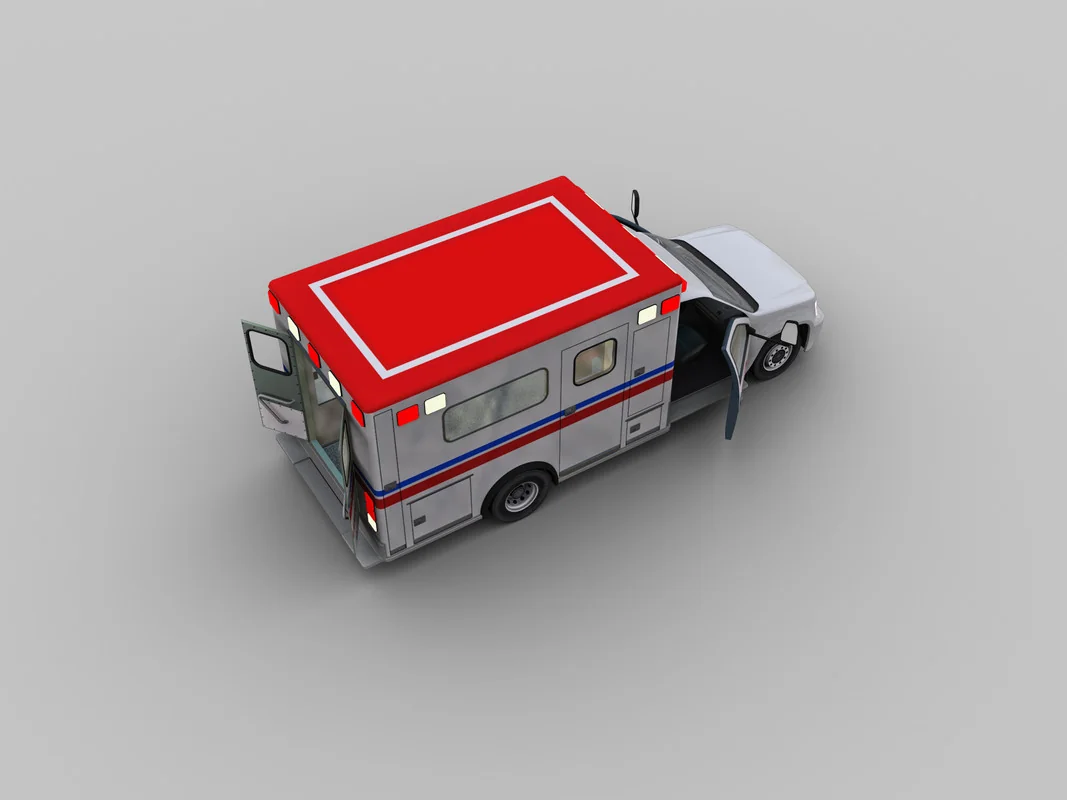
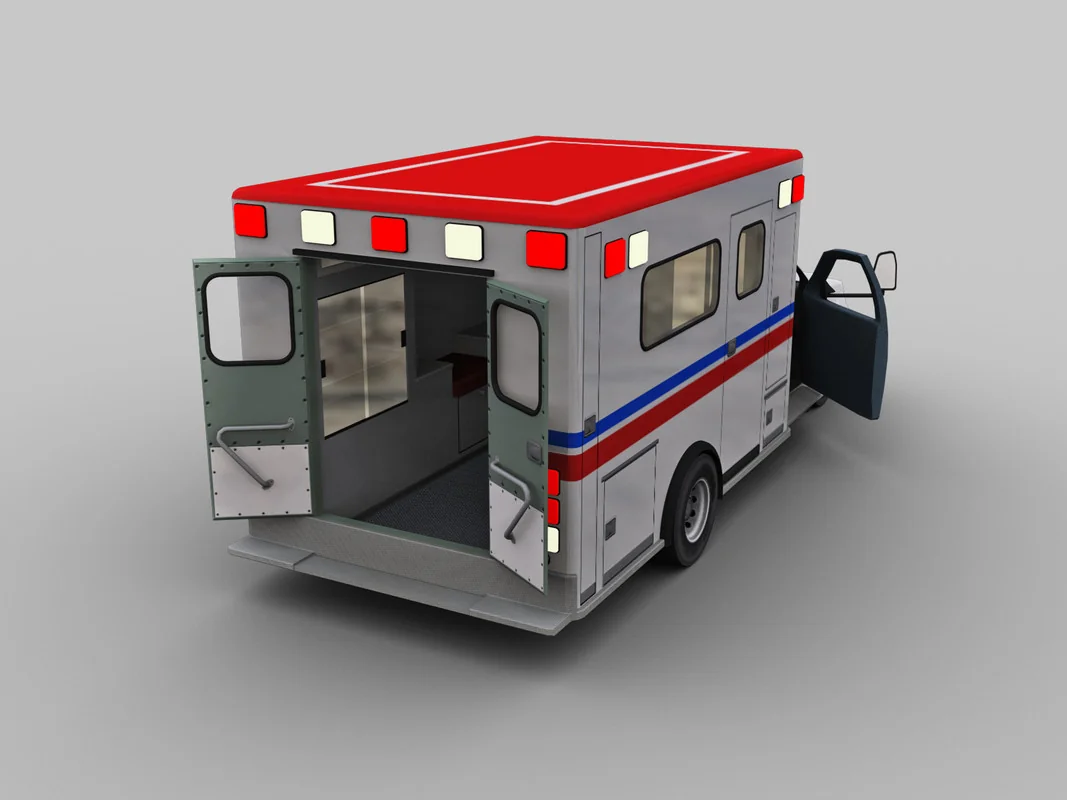
Beyond basic mobility, the asset includes separated doors. This specific design choice expands the creative possibilities for gameplay, such as allowing characters to enter and exit the vehicle or enabling players to interact with the rear medical bay. Because these parts are distinct, they can be animated within the engine to swing open or slide, depending on the desired mechanics. Similarly, the steering wheel is a separate component, making it possible to link the steering animation directly to the player’s horizontal input during driving sequences. These small details shift the asset from a background prop to a functional piece of gameplay equipment.
Interior Modeling and First-Person Utility
One of the more complex aspects of vehicle modeling for games is the inclusion of a usable interior. This asset features a completely separated interior, providing a dedicated space for first-person perspectives or interior-camera gameplay. Having the interior as a distinct part of the hierarchy means developers can optimize how the mesh is rendered; for instance, disabling the interior when the vehicle is far away to save on performance, or focusing high-detail lighting specifically on the cabin during a cinematic scene.
The presence of an interior also allows for more grounded environmental storytelling. In a medical or rescue simulation, the ability to see inside the ambulance adds a layer of immersion that is often missing from vehicles with opaque windows. Because the interior is unwrapped and textured alongside the rest of the model, the visual quality remains consistent as a player transitions from viewing the vehicle’s exterior to looking through the windshield or into the rear medical compartment.
High-Resolution Texturing and Visual Flexibility
Visual fidelity is supported by a single 8k texture map, which provides high-resolution detail across the entire surface of the vehicle. This large texture budget ensures that even close-up shots maintain clarity, which is particularly useful for high-definition projects. Despite the high resolution of the map, the asset remains efficient by utilizing a single map rather than multiple smaller files, which can help streamline the rendering pipeline.
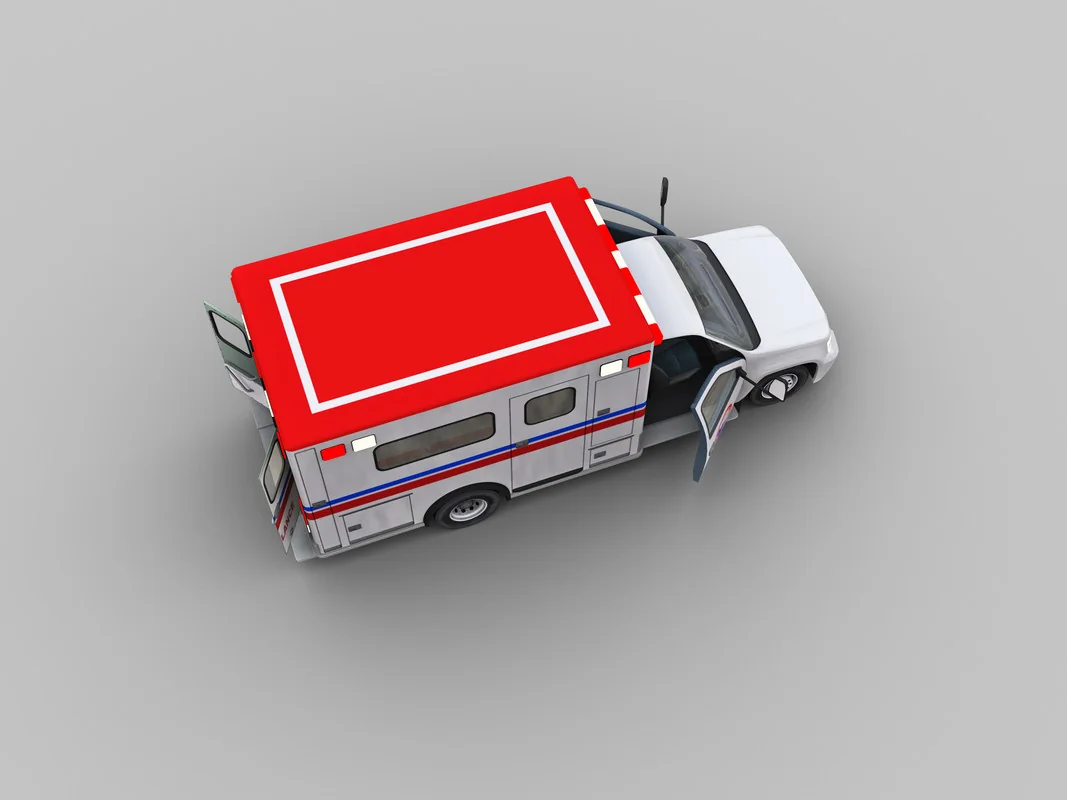
Customization is a core feature of the texture setup, as the developer has designed the model to allow for easy color changes. This flexibility is vital for developers who need to create various versions of the ambulance to suit different regional aesthetics or specialized medical units. Whether the project requires a traditional white and red emergency look or a more specific color palette for a private security or futuristic medical firm, the texture layout supports these modifications without requiring a complete overhaul of the UV maps.
Optimized Geometry for Real-Time Performance
The technical specifications of the ambulance reflect a focus on optimization for game engines. The model sits at 13,625 polygons and 27,701 triangles, with a vertex count of 15,443. This poly count is balanced to provide enough geometric detail for rounded surfaces and intricate medical equipment while remaining light enough for use in scenes with multiple active vehicles. The geometry is described as professional and clear, which is a critical factor for preventing shading artifacts or rendering errors when the model is lit by dynamic lights.
The organization of the asset pack further supports a smooth workflow. With 42 individual assets included, every material, texture, and component is properly named according to standard naming conventions. This level of organization is helpful when integrating the package into larger project hierarchies, as it prevents naming conflicts and makes it easier for developers to locate specific parts like the separated light components. The separation of the lights is particularly useful for setting up emissive materials or light scripts to simulate sirens and headlights, allowing each light source to be toggled or pulsed independently.
Technical Foundation and Pipeline Integration
Built originally for Unity 2019.4.16, the asset is delivered as a unitypackage, ensuring that all transform data, material assignments, and hierarchy structures are preserved upon import. The model is completely unwrapped and textured, meaning it does not require additional UV work before it can be used in a scene. The file size of 67.1 MB is relatively compact considering the inclusion of an 8k texture map and a full interior, making it a manageable addition to a project’s disk footprint.
This ambulance serves as a versatile resource for developers needing a functional, interactive emergency vehicle. Its modular design—encompassing separated steering, doors, lights, and a full interior—makes it suitable for a wide range of genres, from urban simulations to narrative-driven action games where vehicle interaction is a key component of the experience.
Project Screenshots